Shows / Science Friday
Science Friday
Science Friday, as heard on PRI, is a weekly discussion of the latest news in science, technology, health, and the environment hosted by Ira Flatow. Ira interviews scientists, authors, and policymakers, and listeners can call in and ask questions as well.
Episodes
 Science Friday
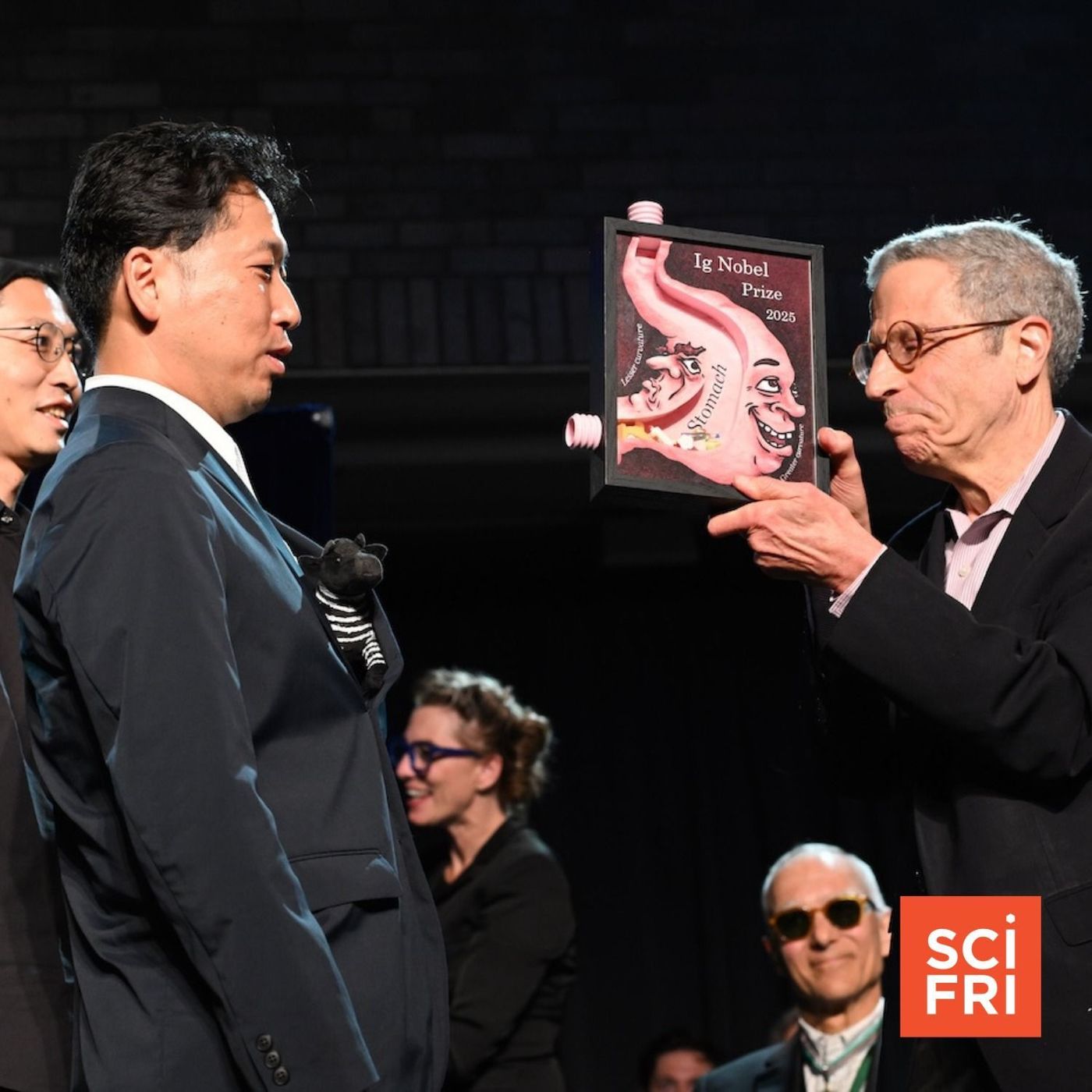
1174: Fingernails And Indigestion At The 2025 Ig Nobel Prizes
Each year, the Ig Nobel Prizes recognize scientific research that first makes you laugh, then makes you think. For instance, researchers who investigated the…
 Science Friday
1177: Why Is Working Out Good For Your Mental Health?
A good workout can make you feel triumphant. And even if that isn’t your relationship with exercise, you’ve probably heard that working out can lift your mood…
 Science Friday
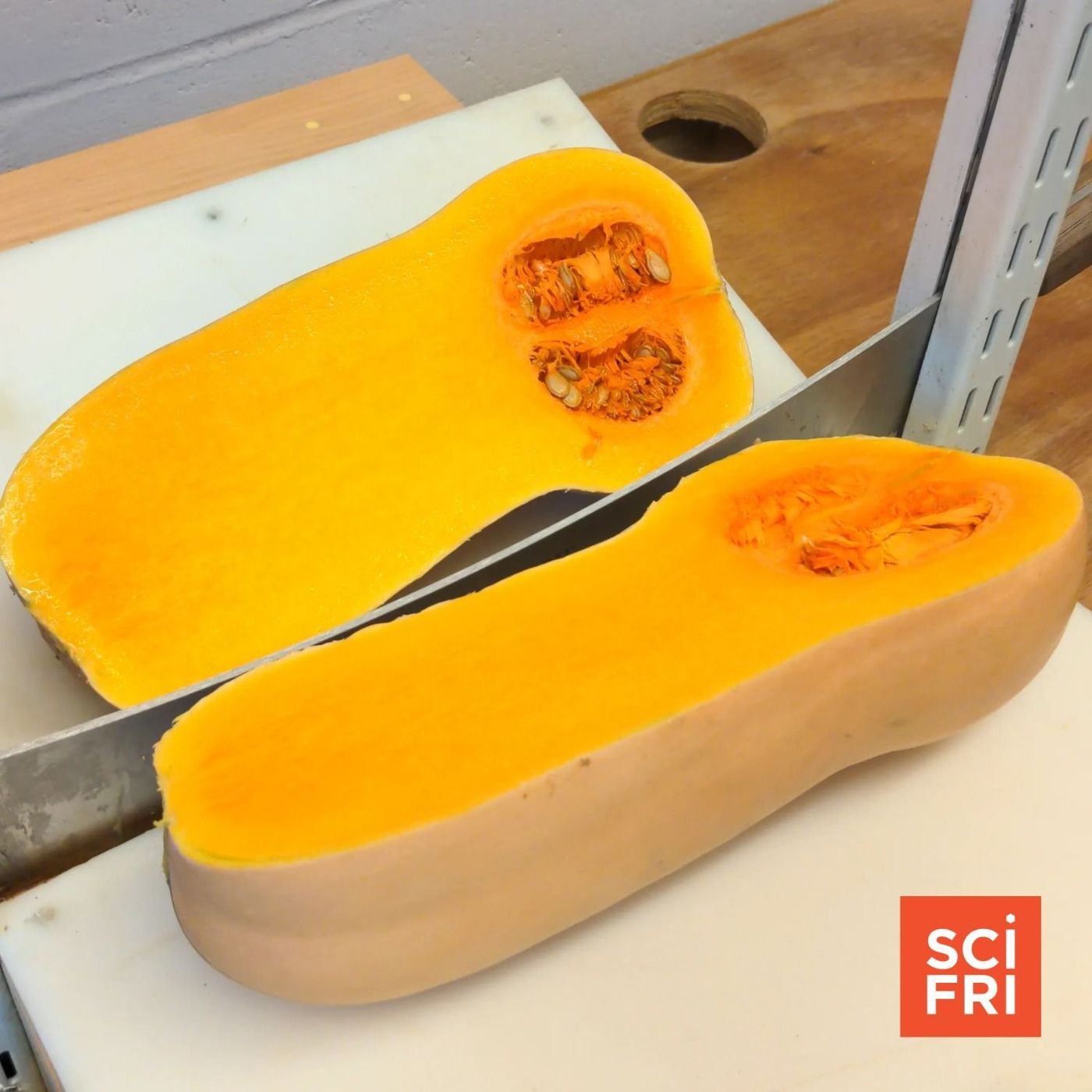
1176: Everything You Never Knew About Squash And Pumpkins
It’s a wonderful time of the year: squash, pumpkin, and gourd season. But how do those giant, award-winning pumpkins grow so big? And what’s the difference…
 Science Friday
1173: ‘A Multi-Headed Beast’: Telling The Story Of Cancer
Twenty years ago, a young oncologist started journaling to process his experience treating cancer patients. That cathartic act became the Pulitzer…
 Science Friday
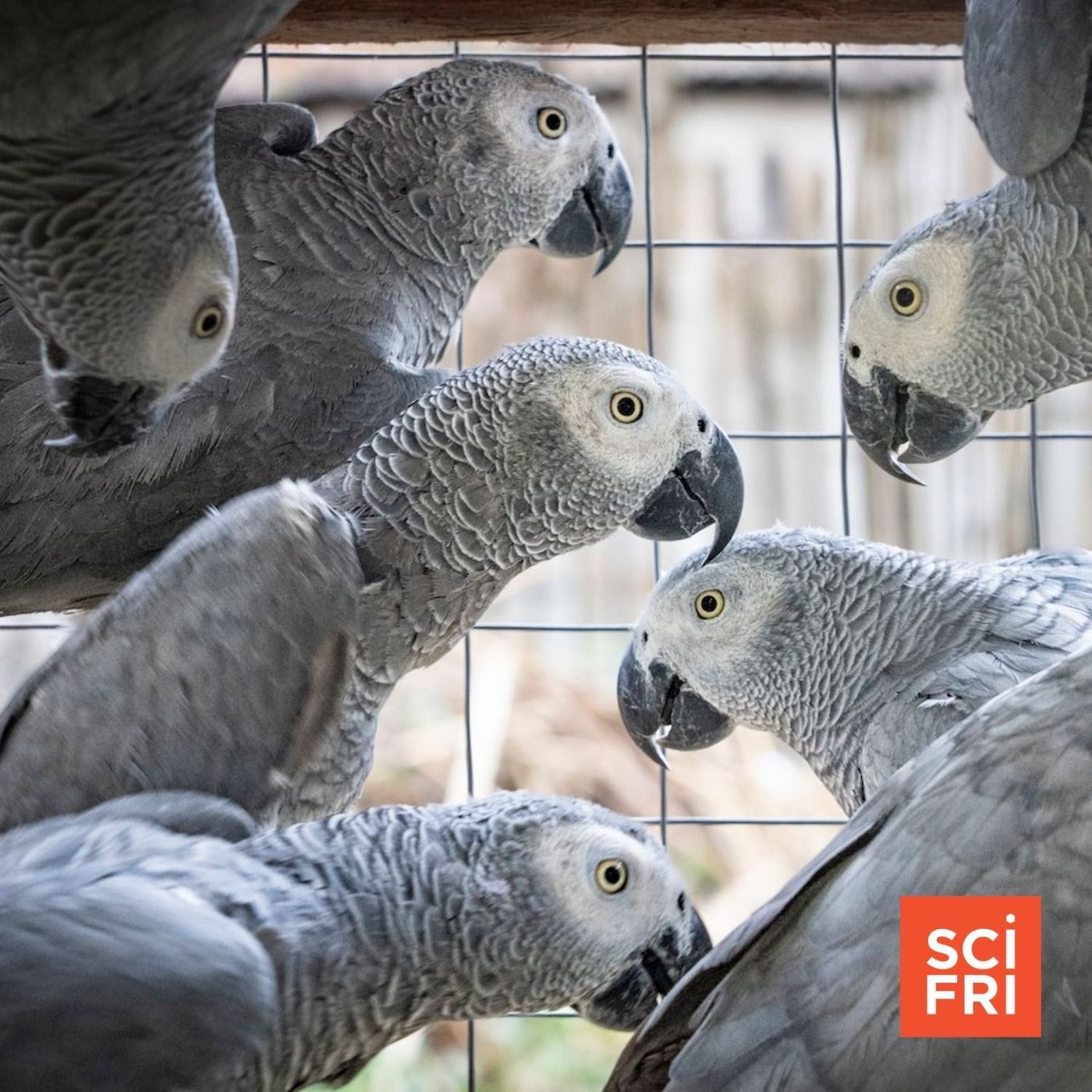
1172: African Grey Parrots Are Popular—And It’s Fueling Illegal Trade
African grey parrots are internet stars. It’s easy to see why—the charismatic birds sing, tell jokes, and sling profanities. But how do the endangered birds…
 Science Friday
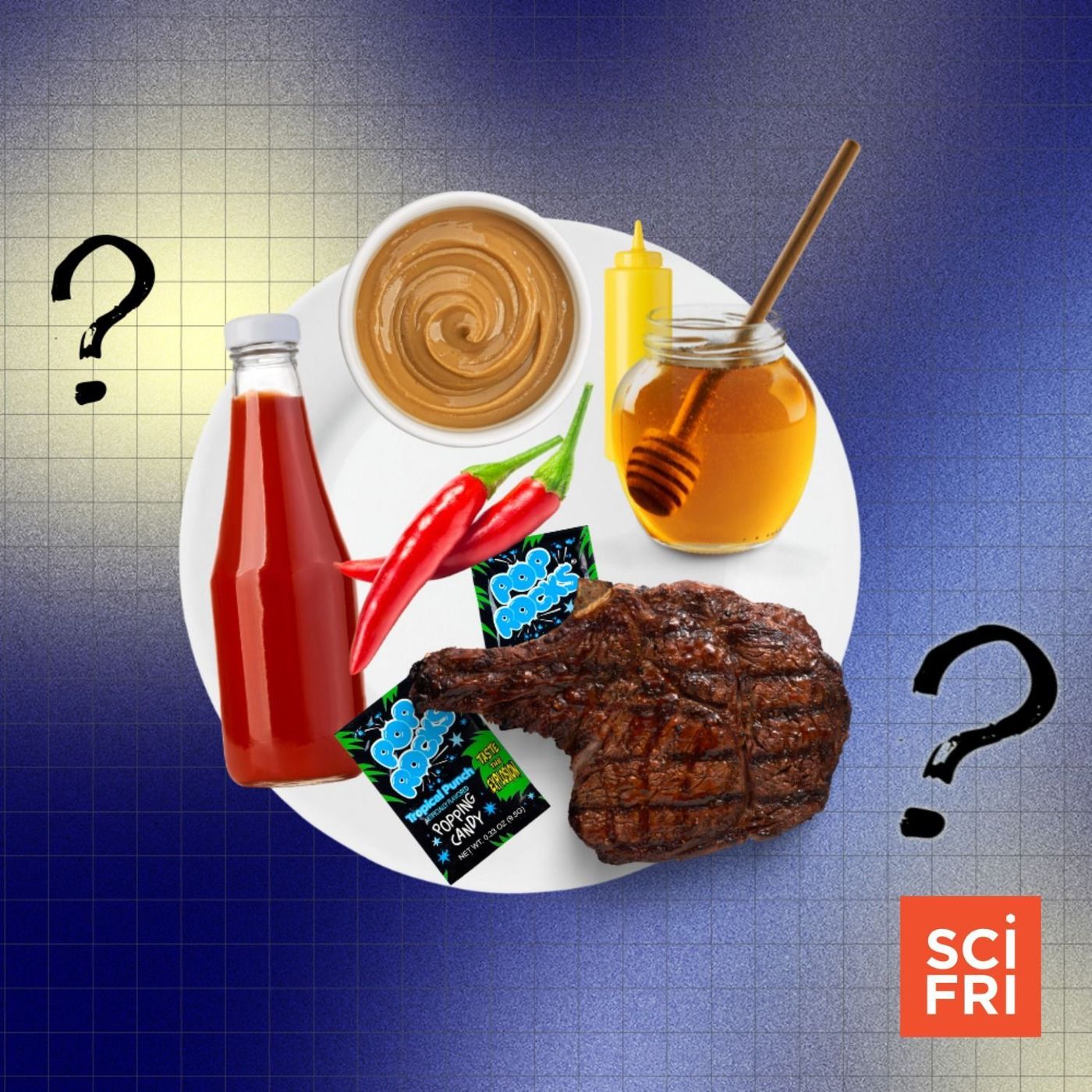
1171: Attention, Trivia Nerds! It’s A Food Science Fact Feast
After years of getting your emails and phone calls, we know that SciFri listeners are in the 99th percentile when it comes to nerdy knowledge. We’re putting…
 Science Friday
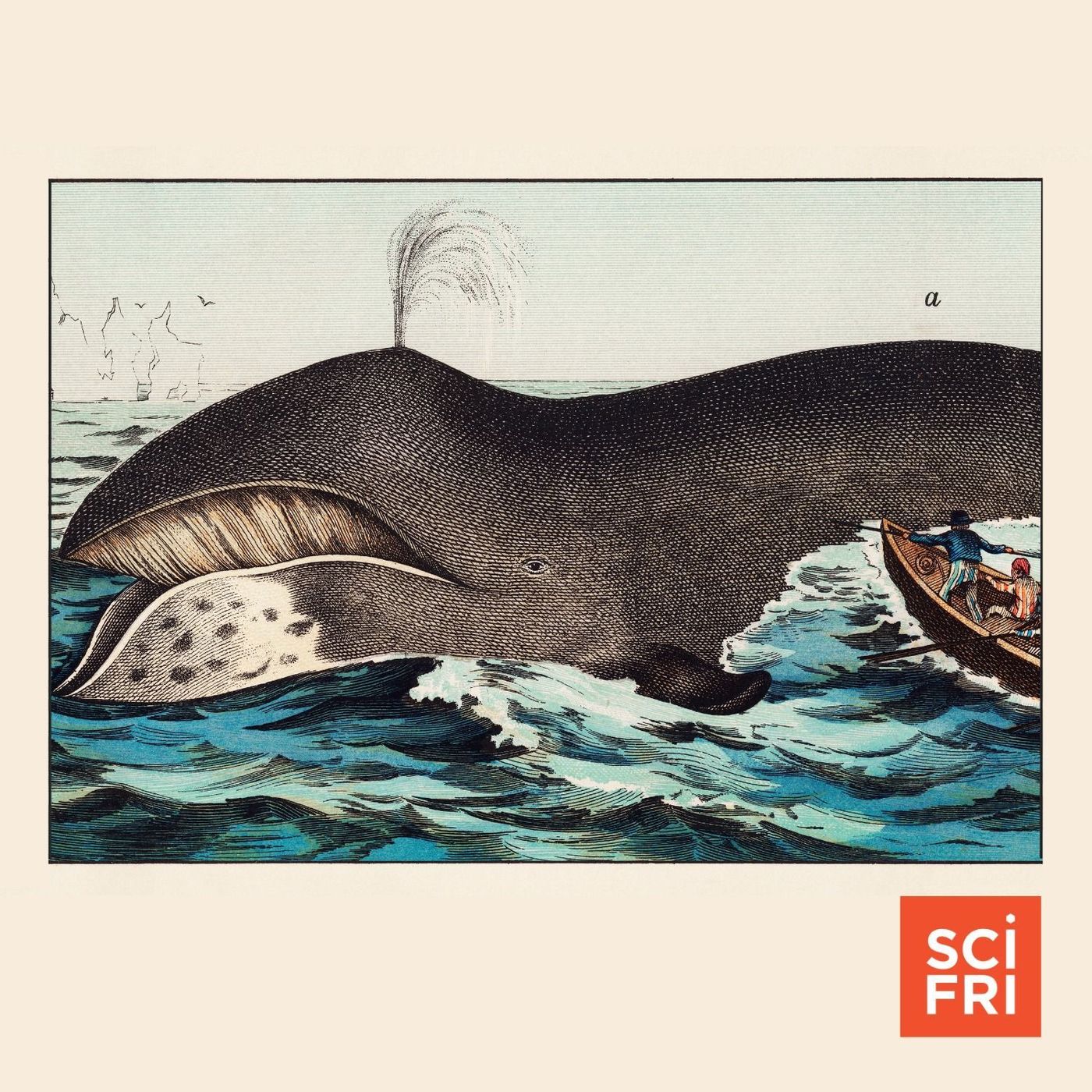
1170: Can Animal Super-Agers Teach Us Their Secrets?
Some animals have a very different relationship to aging than we do: They don’t get cancer, they never go through menopause, and they live absurdly long lives…
 Science Friday
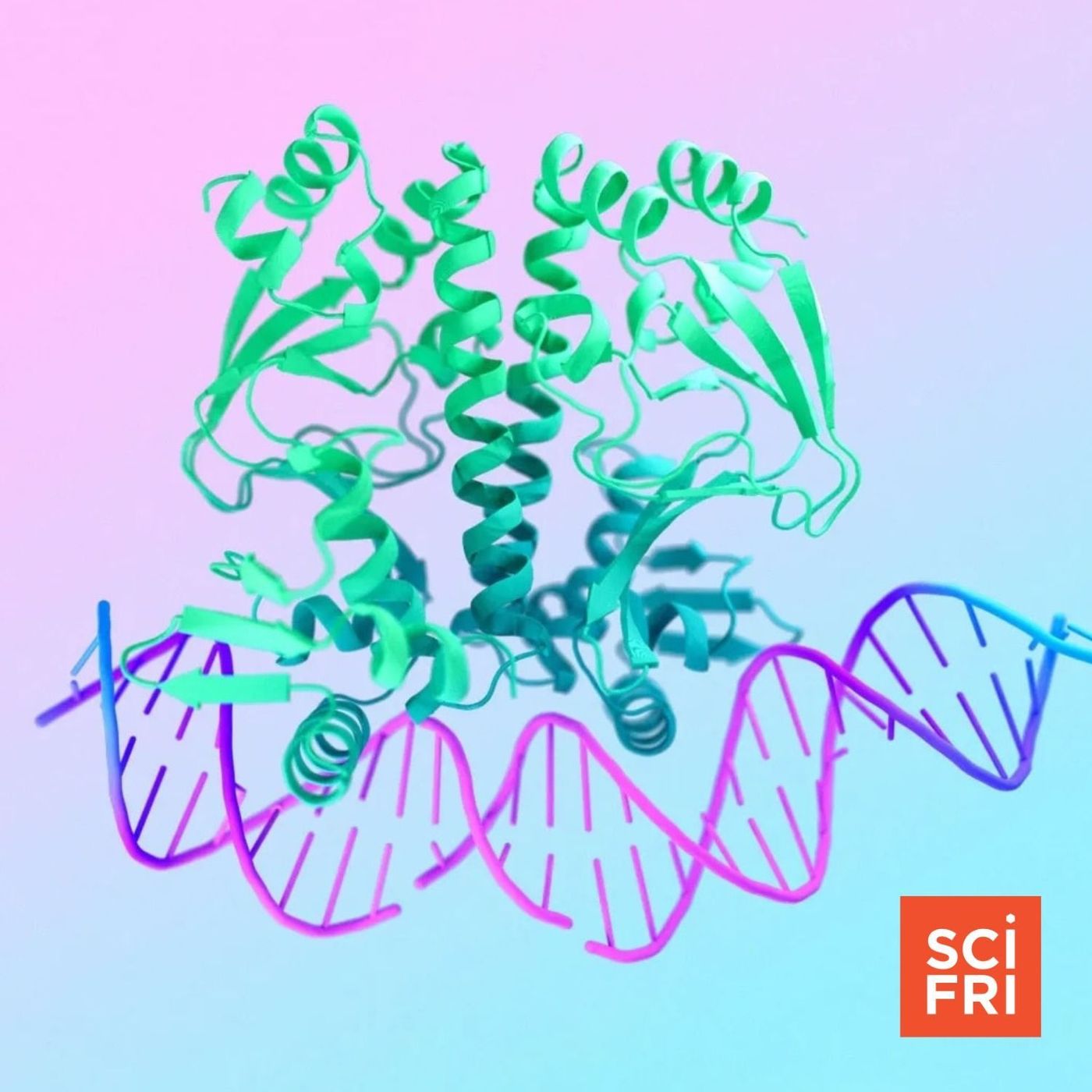
1169: How Alphafold Has Changed Biology Research, 5 Years On
Proteins are crucial for life. They're made of amino acids that “fold” into millions of different shapes. And depending on their structure, they do radically…
 Science Friday
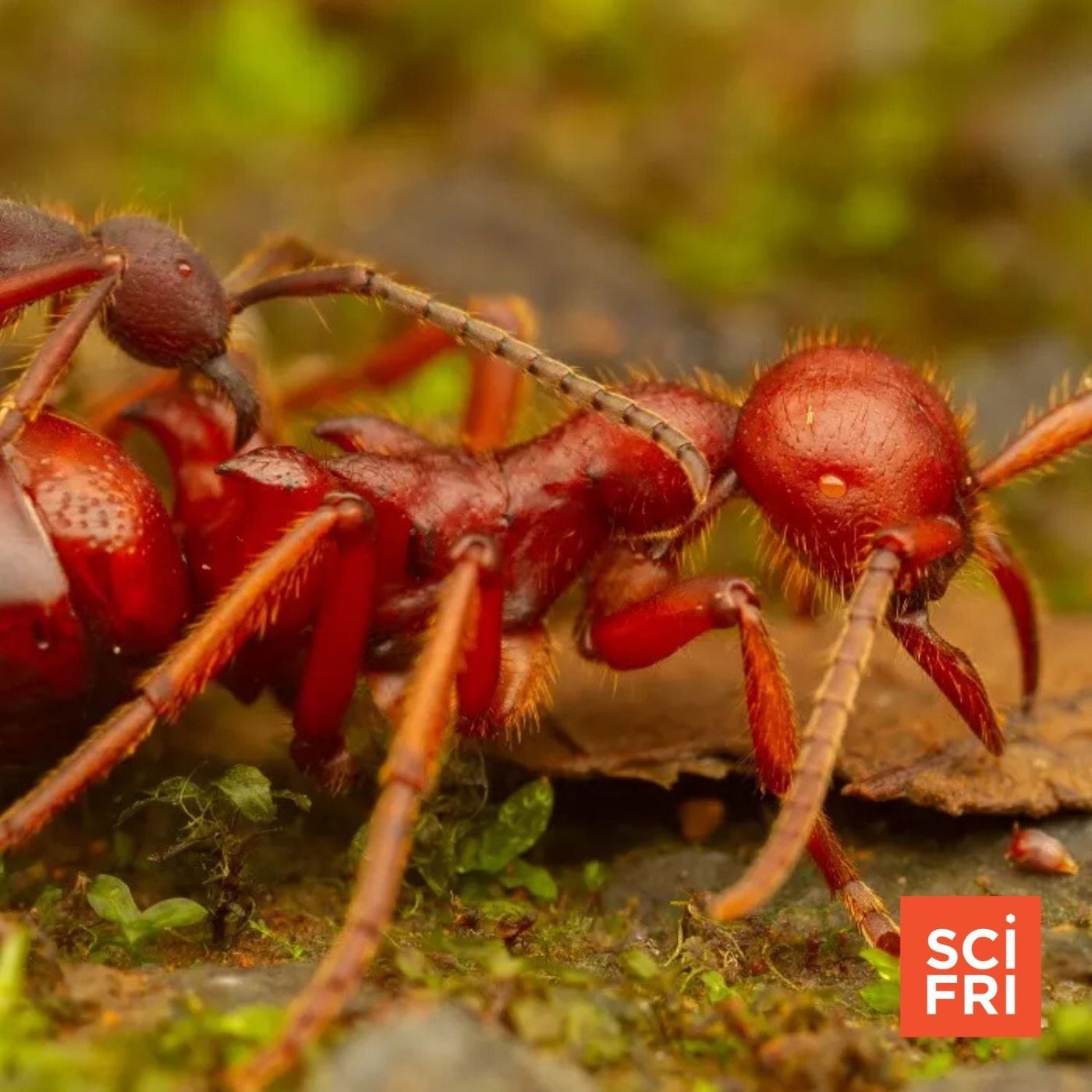
1168: How A Woodpecker Pecks Wood, And How Ants Crown A Queen
If you’ve heard the hammering of a woodpecker in the woods, you might have wondered how the birds can be so forceful. What does it take to whack your head…
 Science Friday
1167: Memories Change. But Can We Change Them On Purpose?
Our memories make us who we are—just ask Barbra Streisand. But despite the lyrics in many popular songs, memories aren’t frozen in time. When we call them up…
 Science Friday
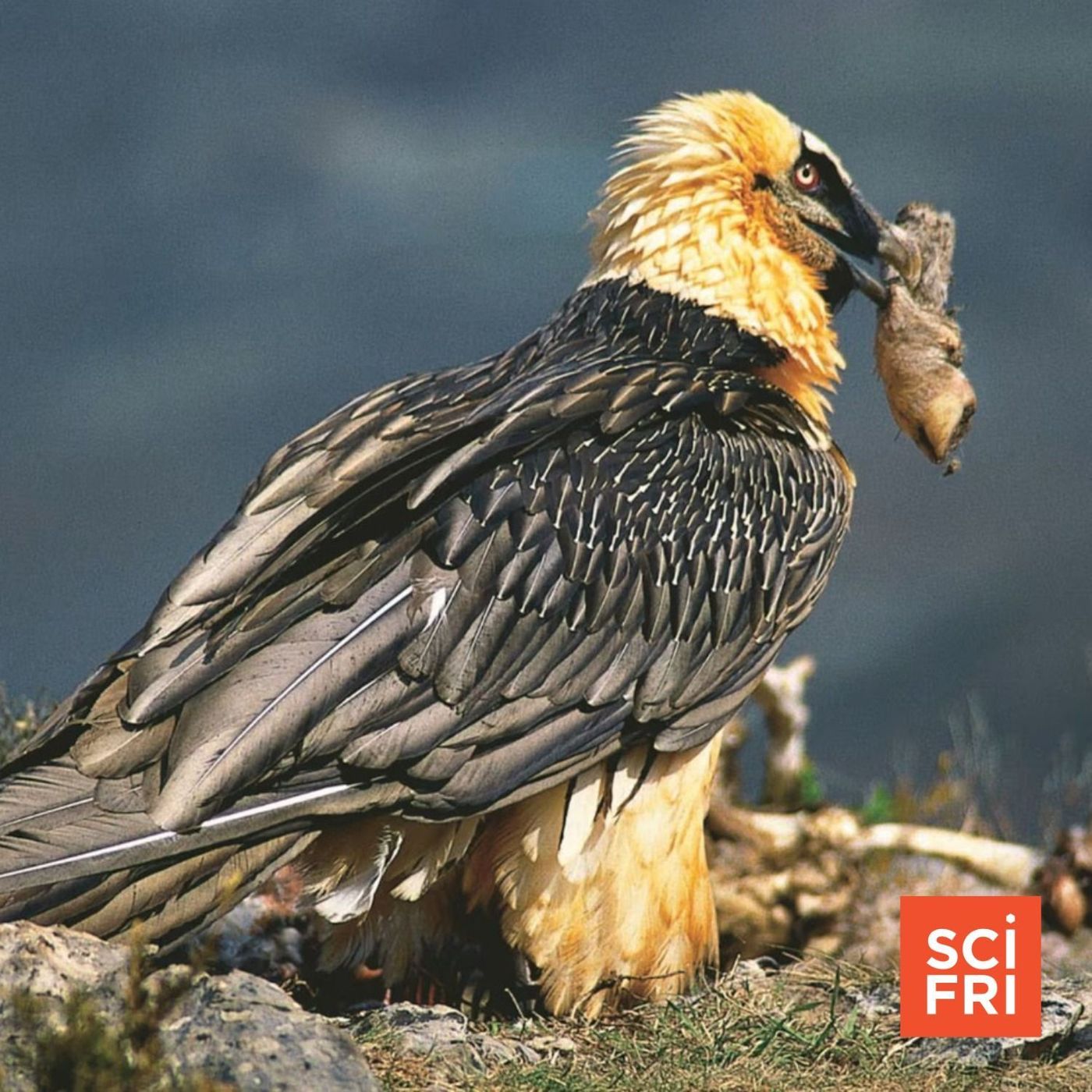
1166: Bearded Vulture Nests Hold Trove Of Centuries-Old Artifacts
Bearded vultures build giant, elaborate nests that are passed down from generation to generation. And according to a new study, some of these scavengers have…
 Science Friday
1165: Why The Bassist From Phish Is Funding Research Into ‘Flow State’
The band Phish has toured for over 40 years. One of the draws of their legendary live shows—which can go on for 8 hours—is finding moments of “flow,” when the…
 Science Friday
1164: Even Nobel Prize Winners Deal With Imposter Syndrome
Around 25 years ago, Ardem Patapoutian set out to investigate the fundamental biology behind our sense of touch. Through a long process of gene elimination, he…
 Science Friday
1163: Study Finds COVID mRNA Vaccines Boost Cancer Treatment
Over the last five years, billions of people have received at least one dose of a COVID-19 mRNA vaccine. New research has found an unanticipated result of…
 Science Friday
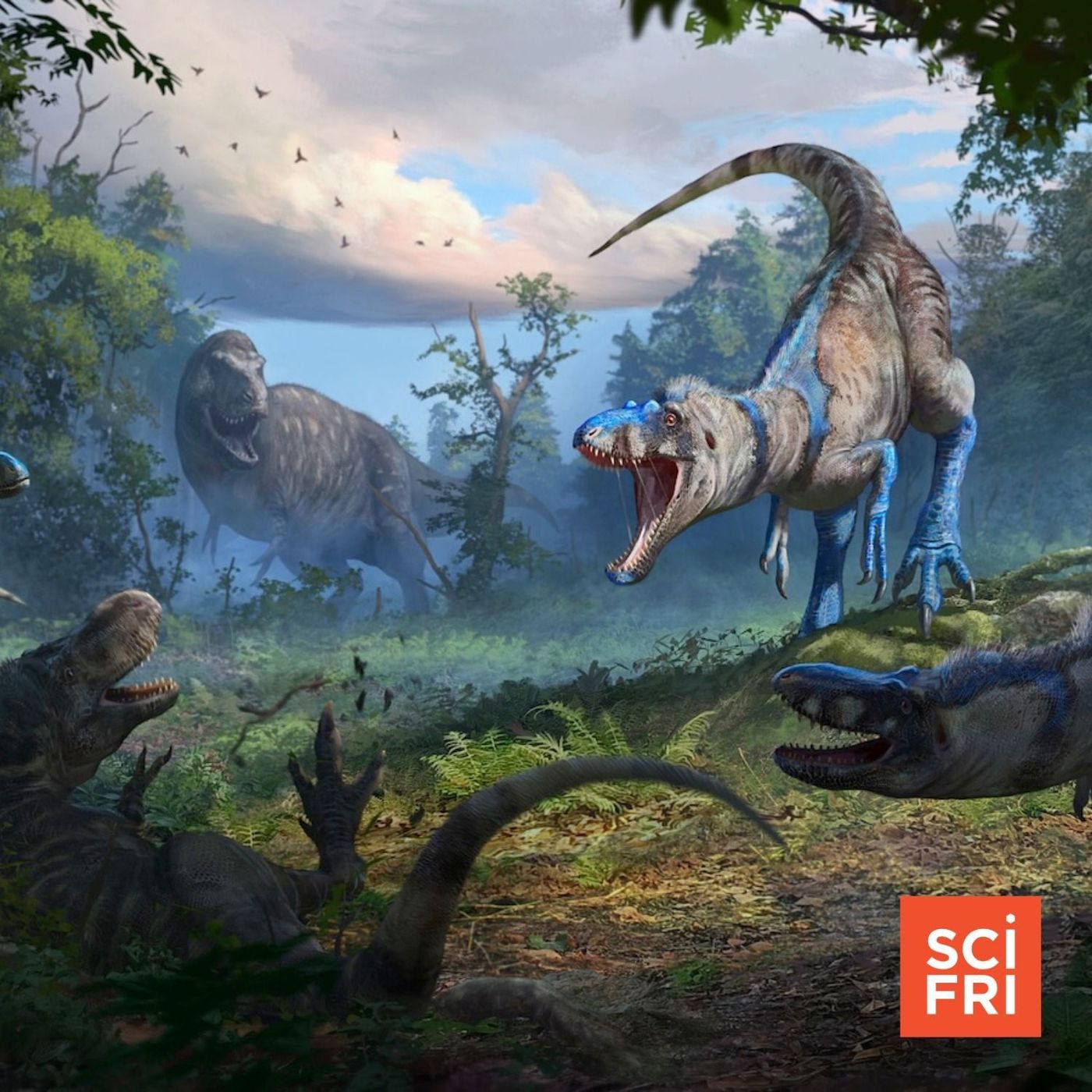
1162: Were Dinos On Their Way Out Before The Asteroid Hit? Maybe Not
One of the biggest debates in the dinosaur world is what was happening right before they went extinct. Were they already declining, or would they have thrived…
 Science Friday
1161: Is There Such A Thing As Too Much Resolution On A TV?
As Black Friday approaches, you’re probably being inundated with ads for bigger, better televisions. But just how good is good enough? Are there limits to what…
 Science Friday
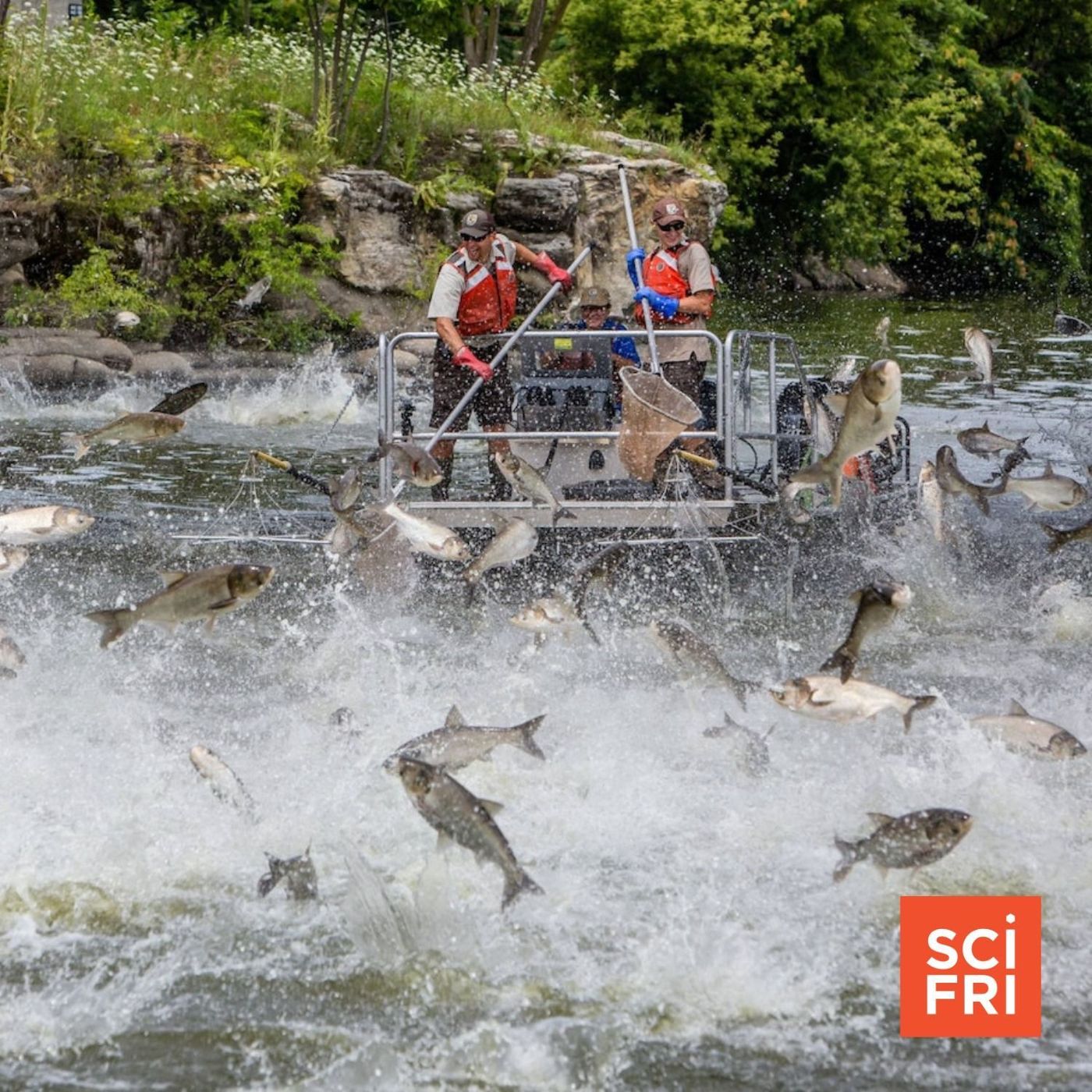
1160: Can A Billion-Dollar Barricade Keep Carp Out Of The Great Lakes?
Decades ago, non-native carp were brought onto fish farms on the Mississippi River to control algae and parasites. They escaped, thrived, and eventually…
 Science Friday
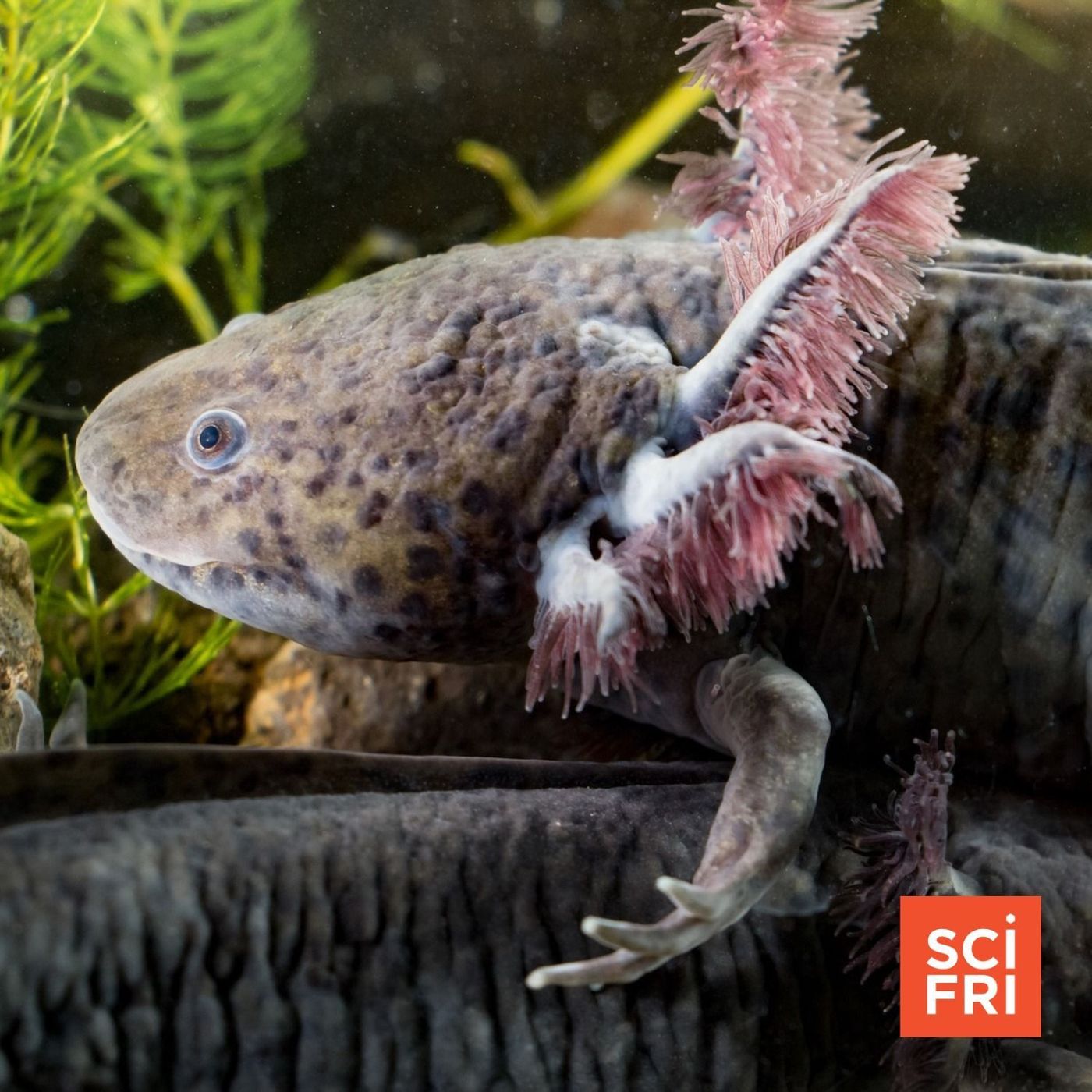
1159: Inside The Race To Save Wild Axolotls
Axolotls are one of the most charismatic and beloved amphibians out there. But did you know that there’s only one place in the whole world where you can find…
 Science Friday
1158: Endometriosis Is Common. Why Is Getting Diagnosed So Hard?
Endometriosis is a painful disease that occurs when endometrium-like tissue grows outside of the uterus. It’s extremely common—if you have a uterus, you have a…
 Science Friday
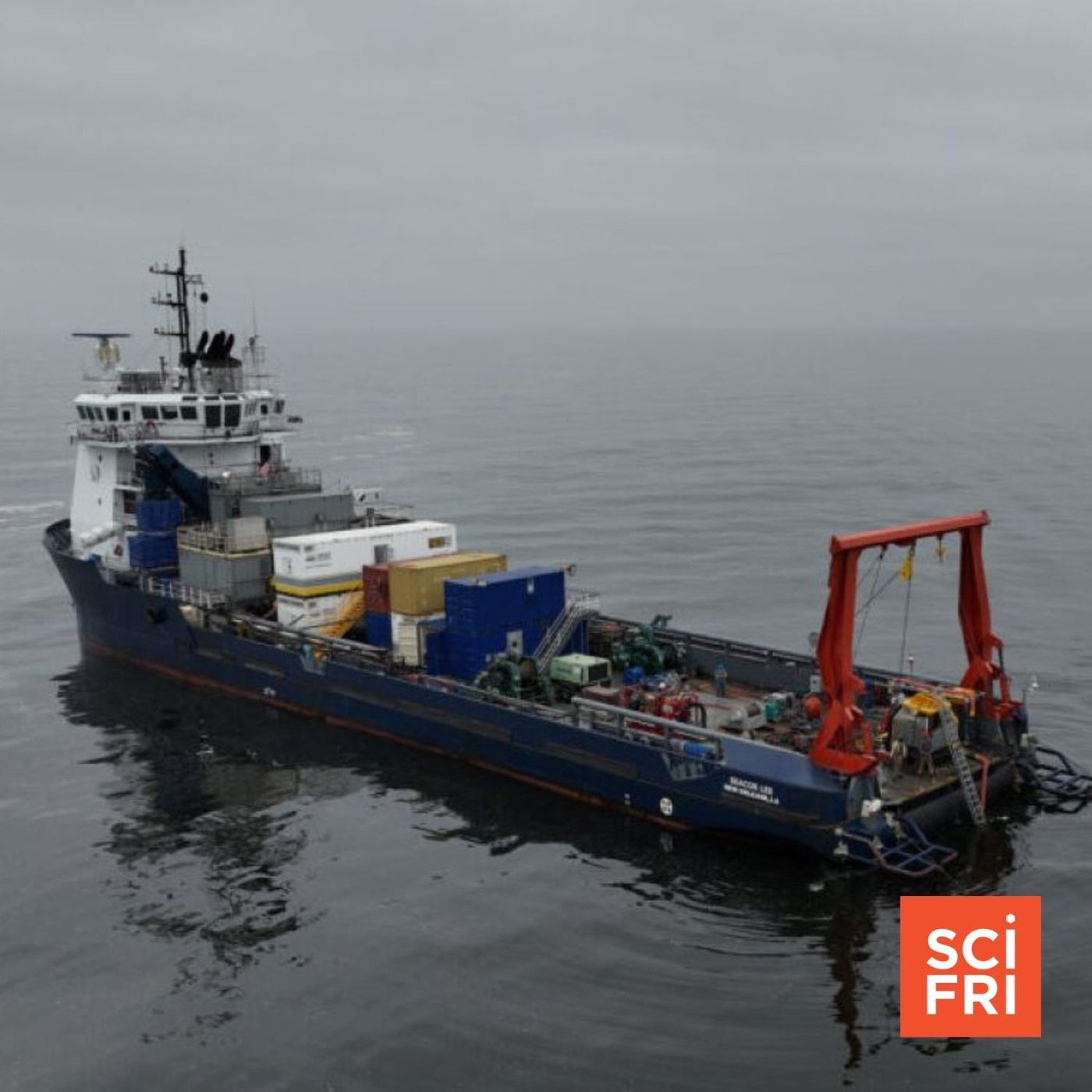
1157: Why Hasn’t Wave Energy Gotten Its Sea Legs Yet?
We've figured out how to harness renewable energy from many natural systems, like solar, wind, and geothermal power. But what about the ocean’s waves? It might…
 Science Friday
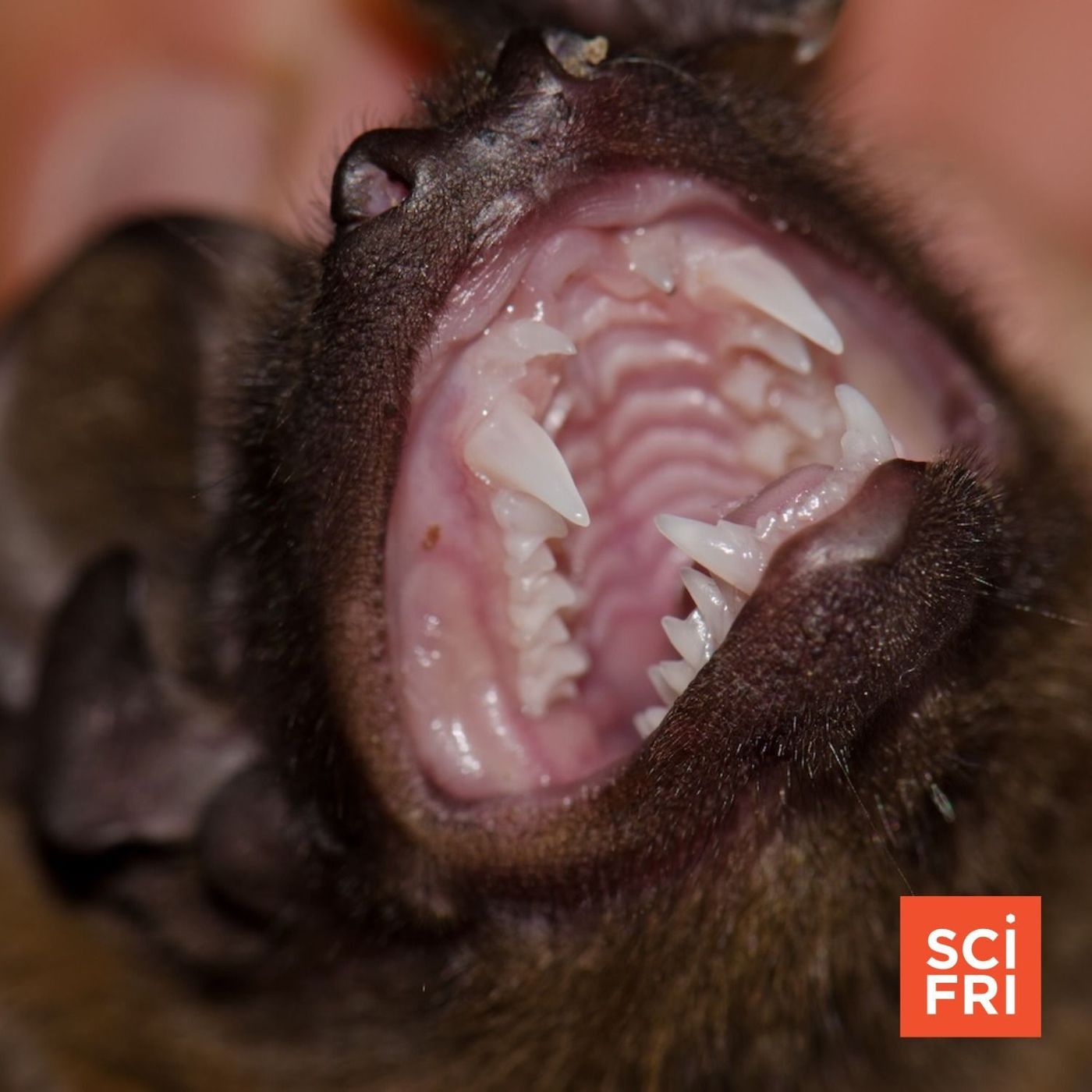
1156: A Halloween Monster Mashup, And A Spooky Lakes Tour
For Halloween, we bring you an ode to three quintessentially creepy creatures: bats, arachnids, and snakes. First, bat researcher Elena Tena joins Host Flora…
 Science Friday
1155: What Happens To Your Digital Presence After You Die?
There’s an established playbook for getting one’s affairs in order before death—create a will, name legal guardians, and so on. But there’s also a newer…
 Science Friday
1154: Why Morbid Curiosity Is So Common—And So Fun
At first blush, the plots of many horror movies don’t seem particularly appealing. Take “The Shining”: A murderous psychopath tries to kill his family in a…
 Science Friday
1153: Peanut Allergies In Kids Are Finally On The Decline
For decades, peanut allergies were on the rise in the US. But a study released on October 20 found that peanut allergies in babies and young children are now…
 Science Friday
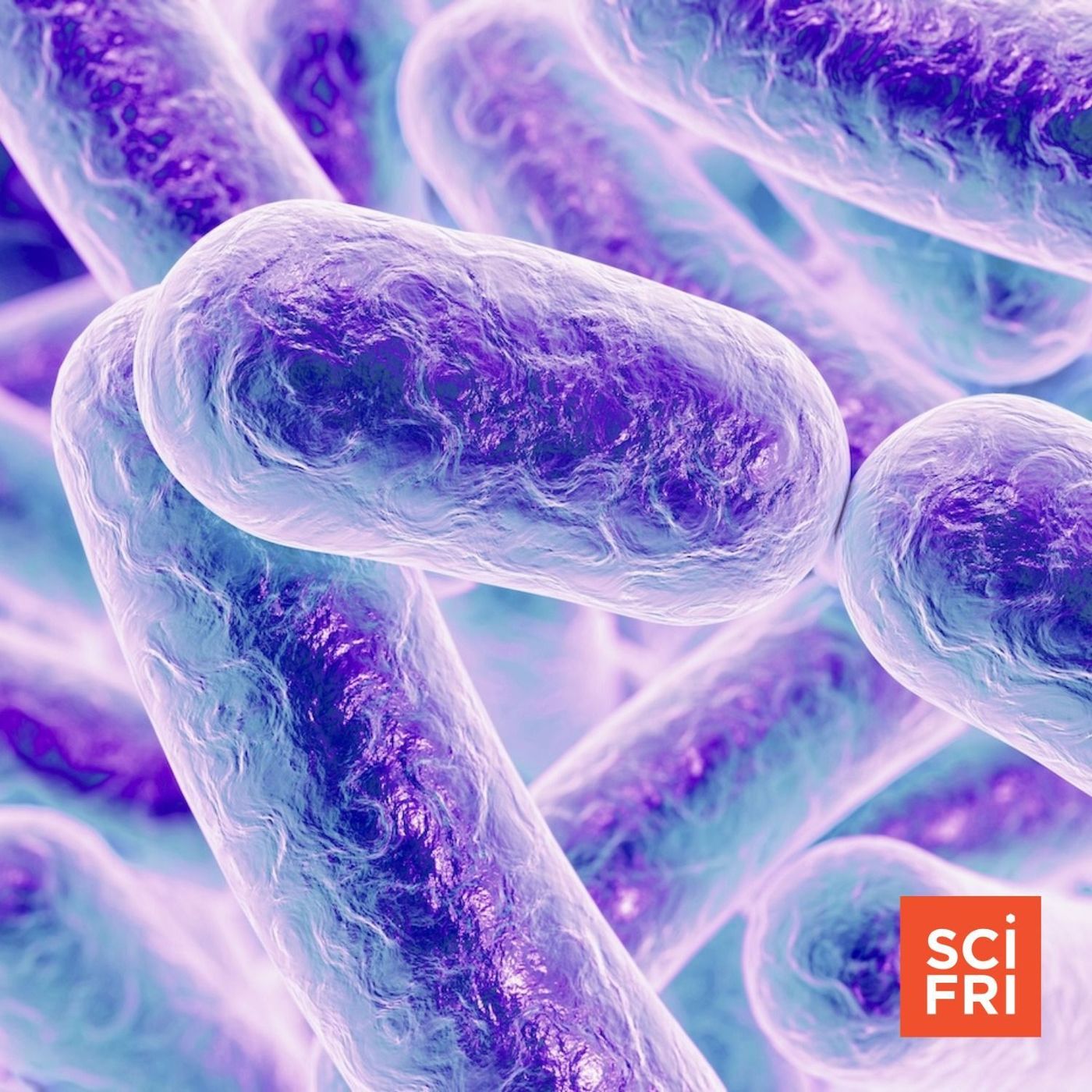
1152: How Do Bacteria Talk To Each Other?
Bacteria have been around for billions of years. Could they have come up with complex behaviors that we just don’t understand yet? Could they have their own…
 Science Friday
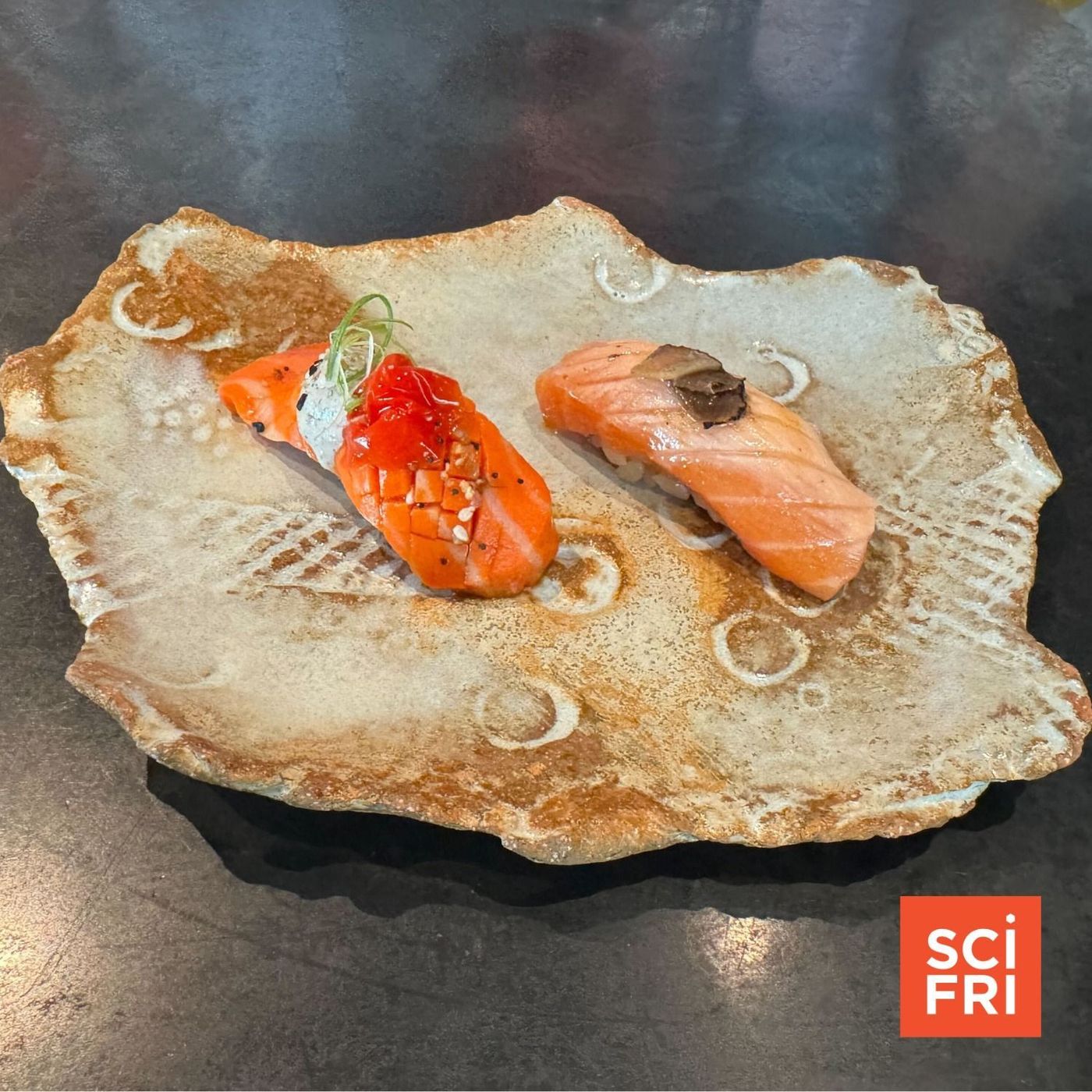
1151: A Lab-Grown Salmon Taste Test And More Foodie Innovations
After years of development, lab-grown fish is taste-test ready for the public. Four restaurants in the US are serving up cultivated salmon made by the company…
 Science Friday
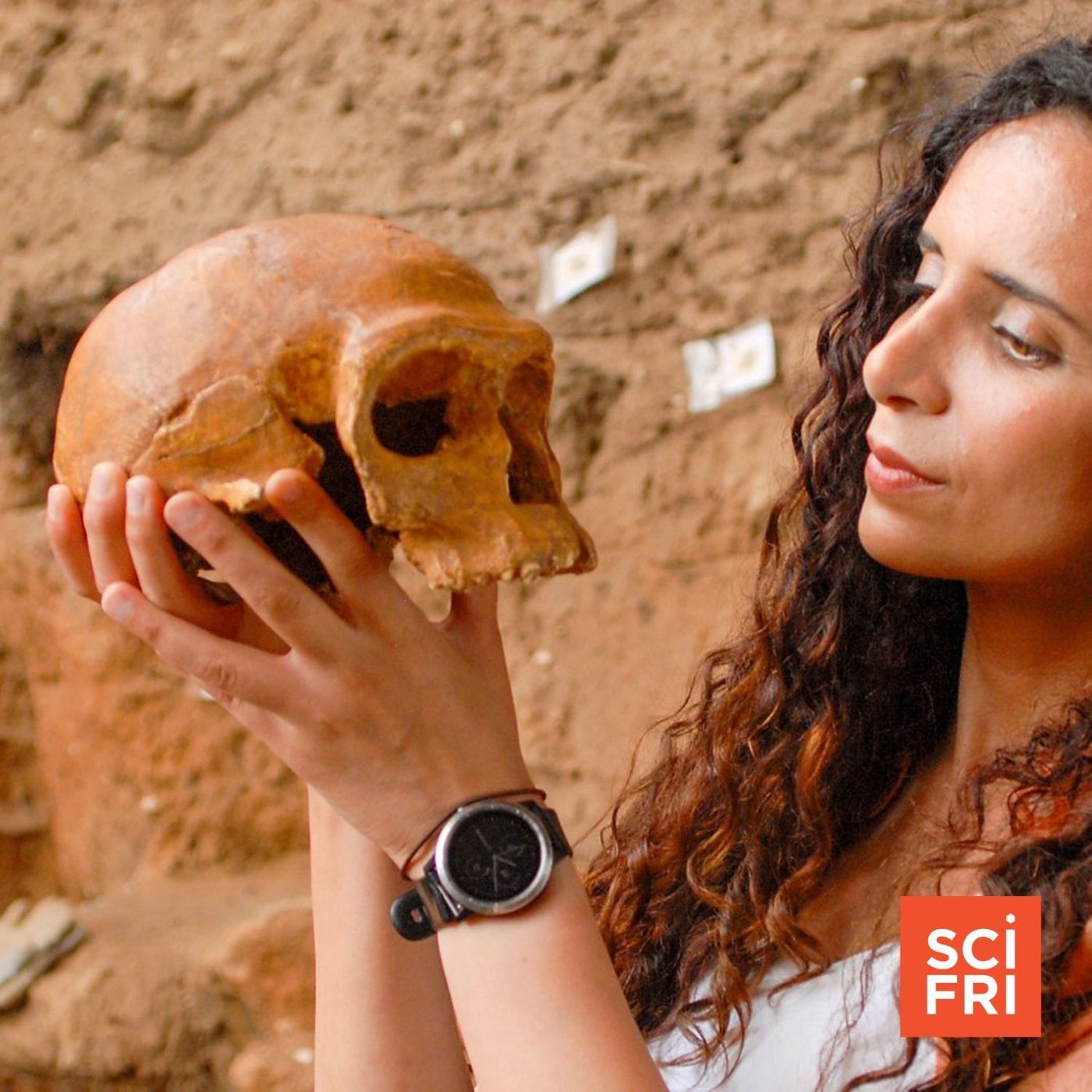
1150: What Did It Feel Like To Be An Early Human?
Do science documentaries need a refresh? What if the goal wasn’t just teaching you something, but making you feel something? A new series from the BBC, airing…
 Science Friday
1149: TikTok Is Shaping How We Think About ADHD
TikTok and other social media sites are full of mental health content—often short, grabby, first-person videos detailing symptoms for conditions like ADHD and…
 Science Friday
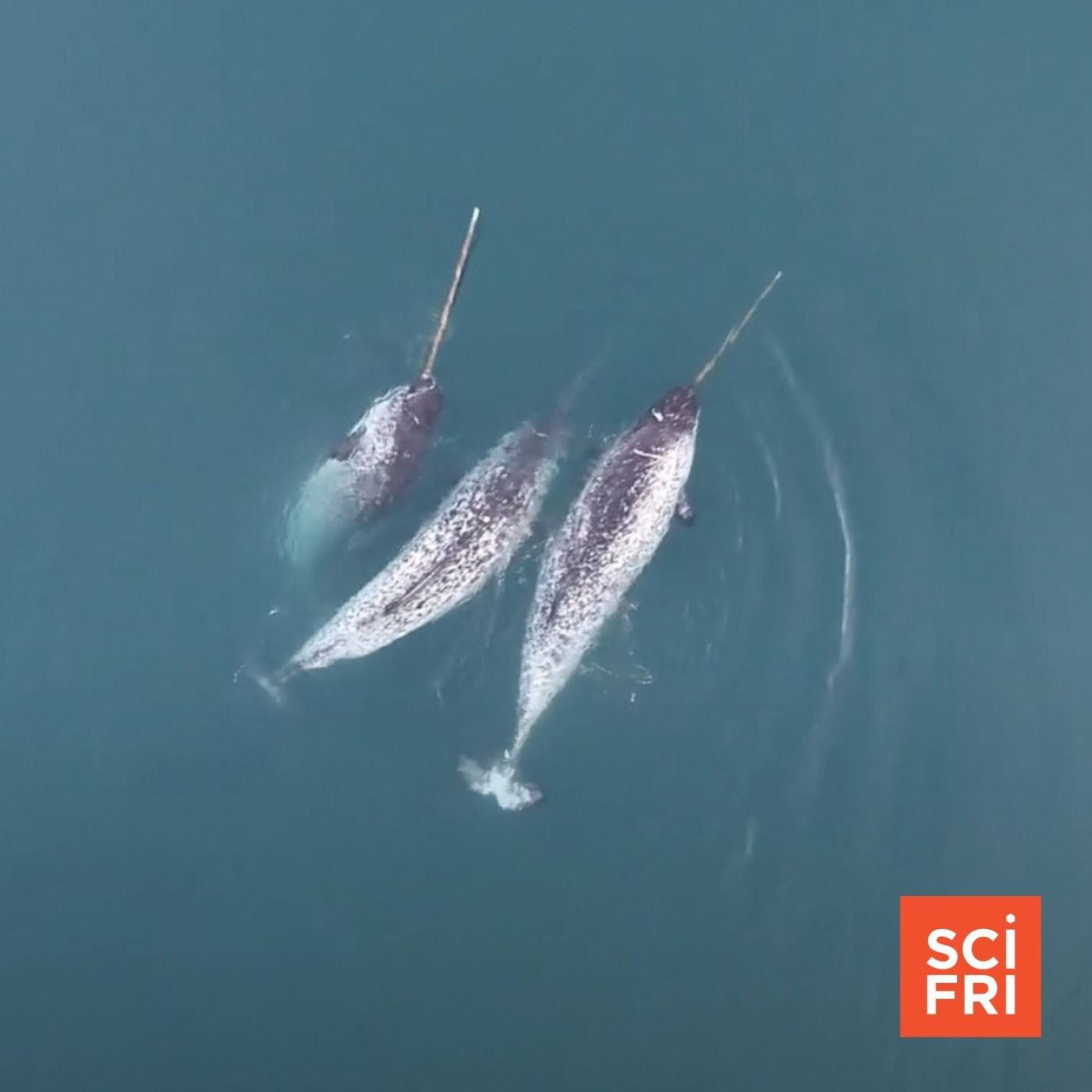
1148: Footage Shows How Narwhals Use Tusks To Hunt And Play
We’re taking a polar plunge into the science of sea unicorns, also known as narwhals!Narwhals are mysterious arctic whales with long, twirly tusks protruding…
 Science Friday
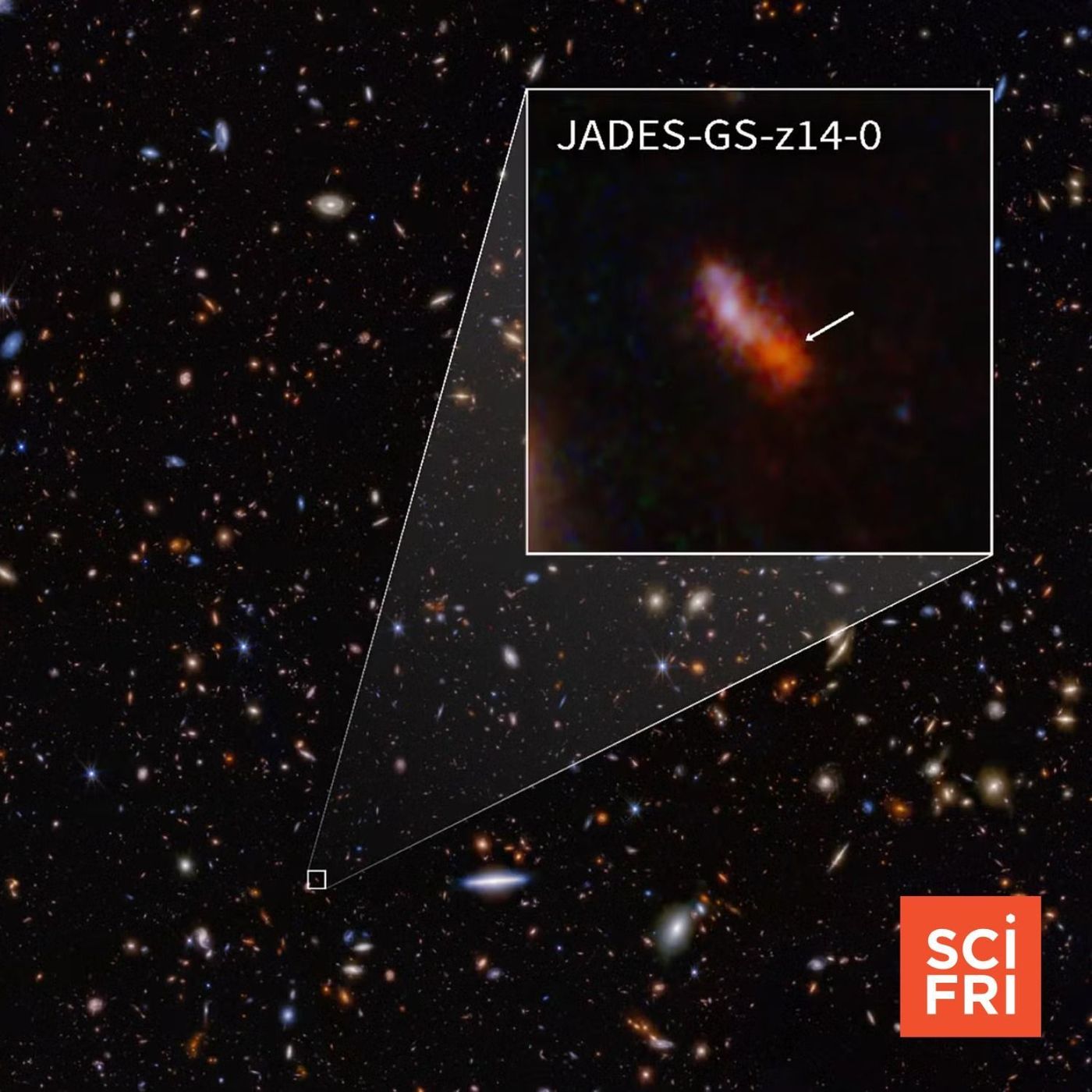
1147: Have Astrophysicists Spotted Evidence For ‘Dark Stars’?
Astrophysicists may have spotted evidence for “dark stars,” an unusual type of star that could possibly have existed in the earliest days of the universe, in…
 Science Friday
1146: AI Was Supposed To Discover New Drugs. Where Are They?
AI is everywhere these days, and though there’s debate about how useful it is, one area where experts think it could be game-changing is scientific research…
 Science Friday
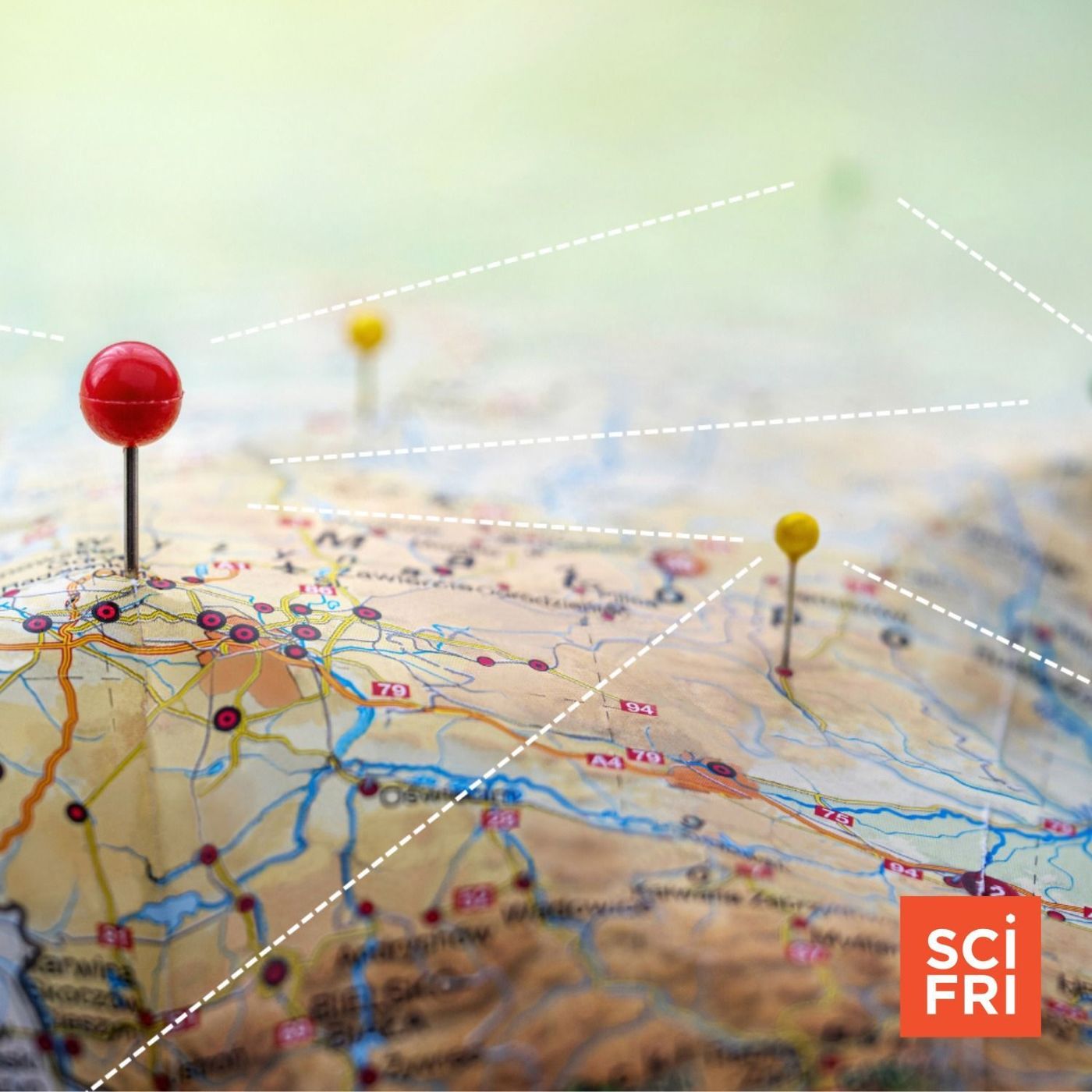
1145: How Math Helps Us Map The World
It’s easy to take maps for granted. After all, most of us have a pretty good map in our pockets at all times, ready to show us how to get anywhere on the…
 Science Friday
1144: The Science Of Replacing Body Parts, From Hair To Hearts
It seems like every week, there’s a new headline about some kind of sci-fi-esque organ transplant. Think eyeballs, 3D-printed kidneys, pig hearts.In her new…
 Science Friday
1143: It’s Not Just You—Bad Food Habits Are Hard to Shake
Remember “The Biggest Loser”—the show where people tried to lose as much weight as quickly as possible for a big cash prize? The premise of the show was that…
 Science Friday
1100: 100 Years Later, Quantum Science Is Still Weird
In July 1925, physicist Werner Heisenberg wrote a letter to Wolfgang Pauli sharing his new ideas about what would eventually become known as quantum theory. A…
 Science Friday
1142: An Off-The-Grid Nobel Win, And Antibiotics In Ancient Microbes
This year’s Nobel Prize in Physiology or Medicine went to three people whose combined discoveries outlined the role of the peripheral immune system—how the…
 Science Friday
1141: World Space Week And Promising Climate Tech Companies
It’s World Space Week, and we’re fueling up the rocket for a tour of some missions and projects that could provide insights into major space mysteries…
 Science Friday
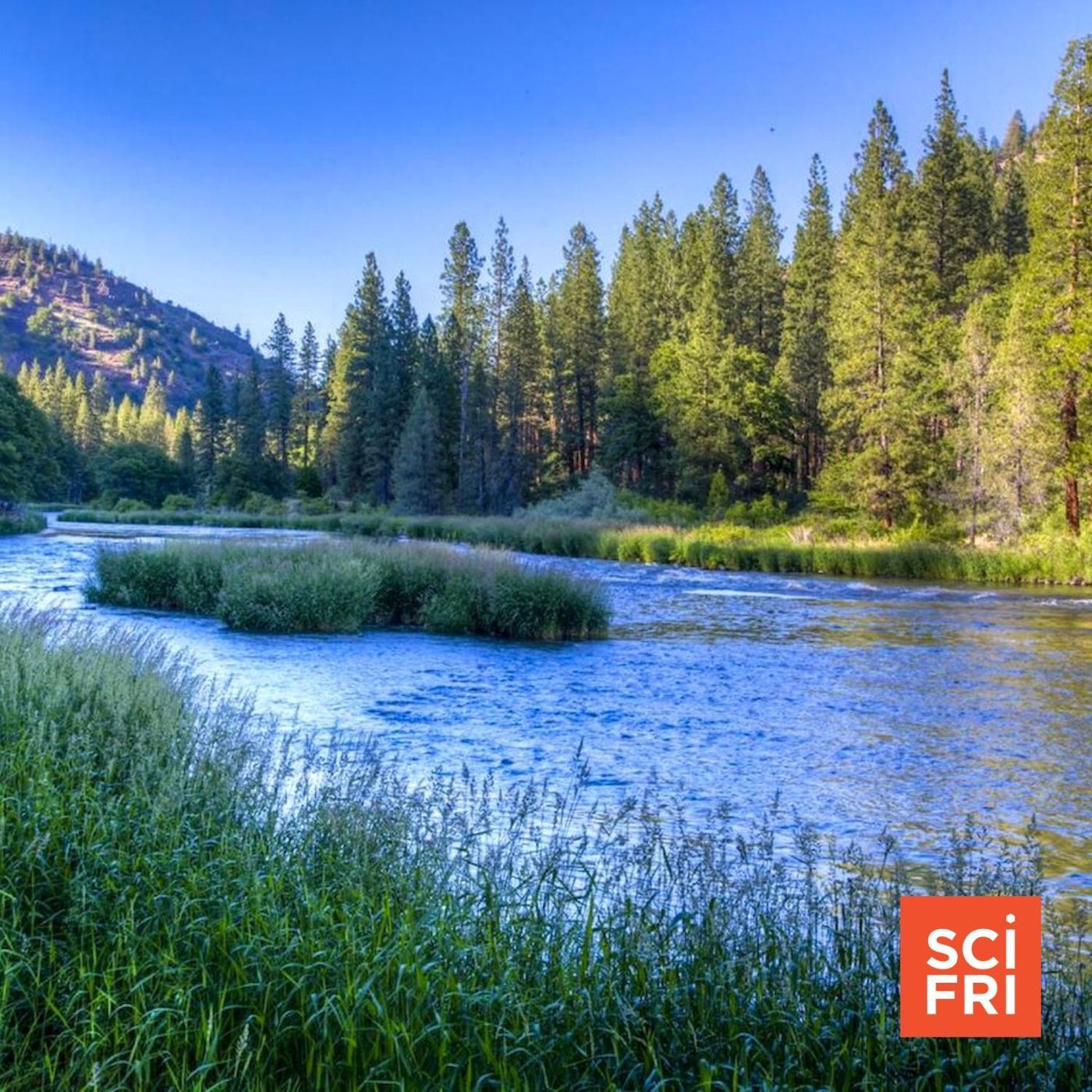
1140: The Story Behind The Largest Dam Removal In U.S. History
The Klamath River, which runs from southern Oregon to California, used to be a top salmon run. But after a series of hydroelectric dams was installed along the…
 Science Friday
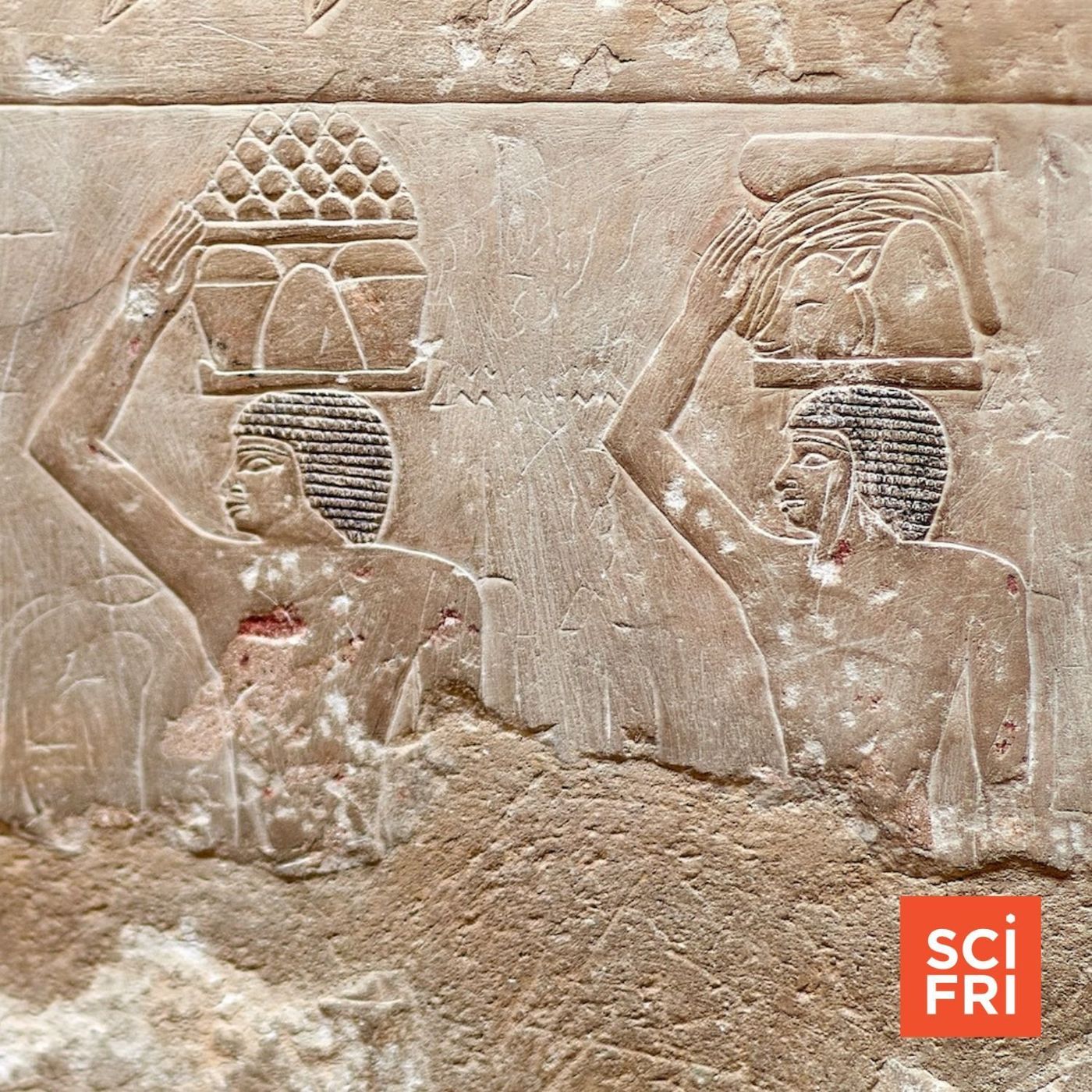
1139: How Archaeologists Try To Smell, Hear, And Taste The Past
Archeologists in movies have a reputation for being hands-on, like Indiana Jones unearthing hidden treasure, or Lara Croft running through a temple. Archeology…
 Science Friday
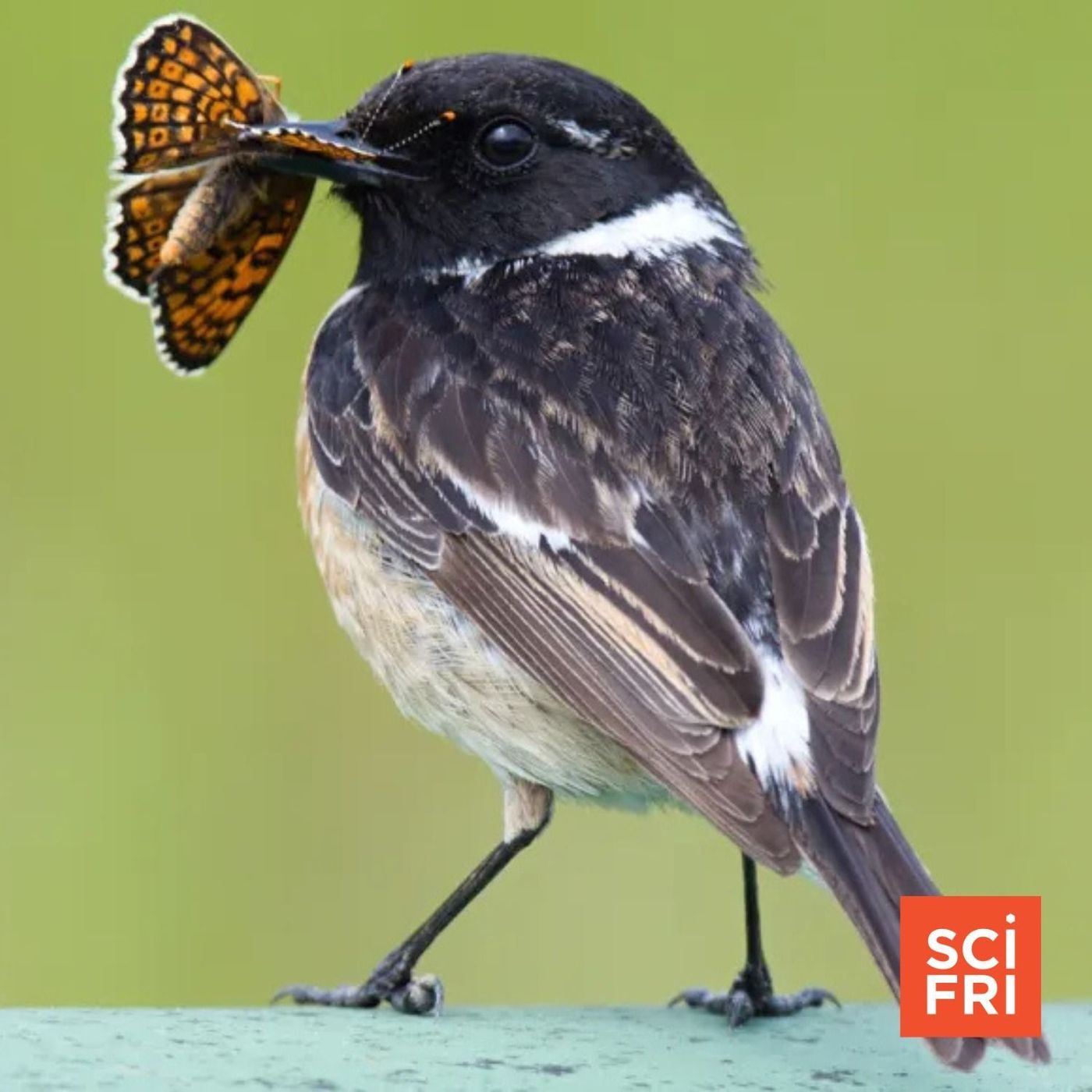
1138: Moth Survival Strategies And A Rodent Thumbnail Mystery
If you’re a moth trying to stay uneaten, there are competing strategies. Some moths rely on camouflage, trying to blend in. Other moths take the opposite…
 Science Friday
1136: As The CDC Falters, How Do We Fill Public Health Gaps?
Our country’s public health system is ailing. With layoffs and leadership changes at the CDC, changing vaccine guidelines, a government shutdown, and declining…
 Science Friday
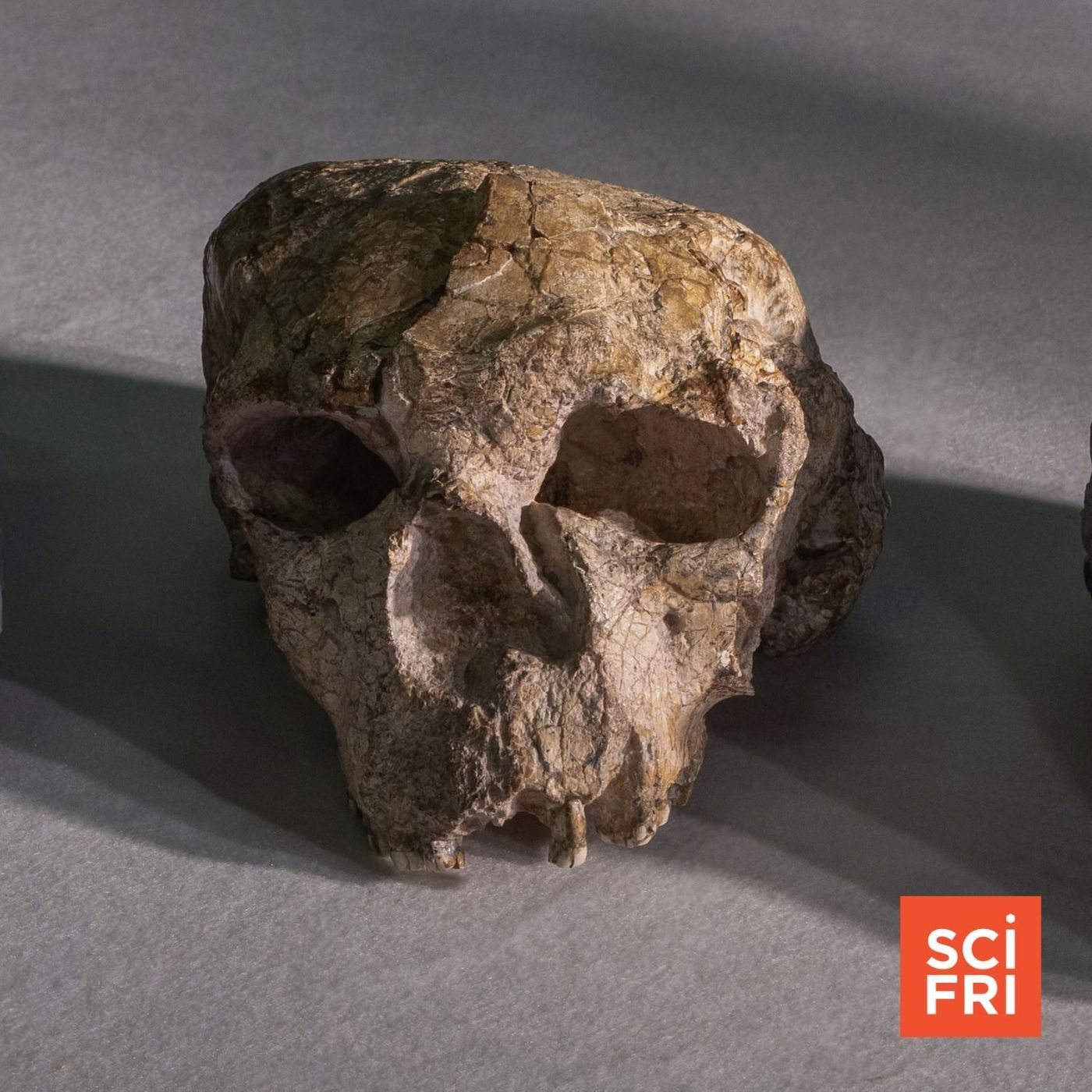
1135: Anthropologists Have A Bone To Pick With New Skull Finding
There’s fresh drama in the field of human origins! A new analysis of an ancient hominid skull from China challenges what we thought we knew about our ancestral…
 Science Friday
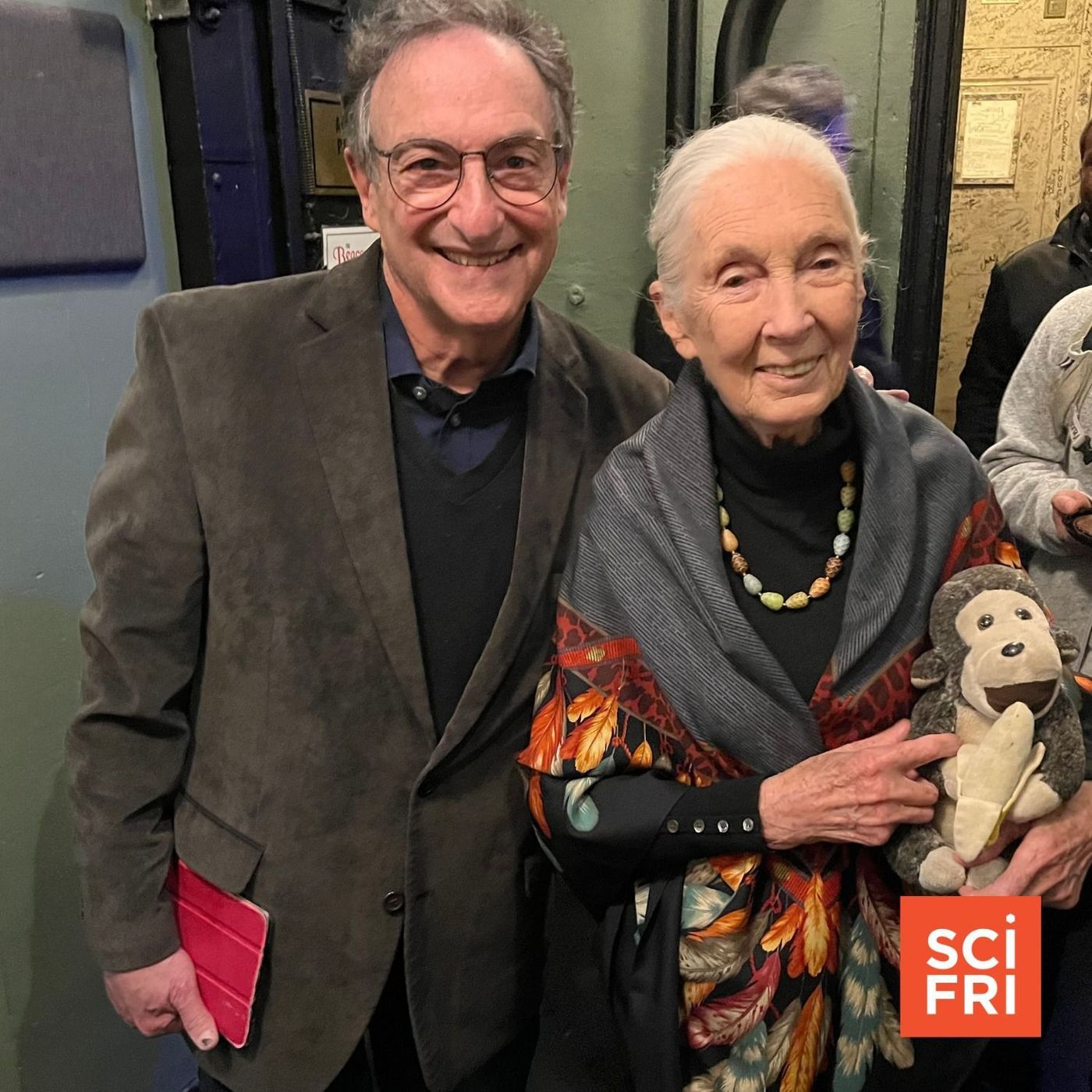
1137: Remembering Primatologist Jane Goodall
Jane Goodall, renowned primatologist, conservationist, and humanitarian, died on October 1 at the age of 91. Goodall was born in London in 1934, and her…
 Science Friday
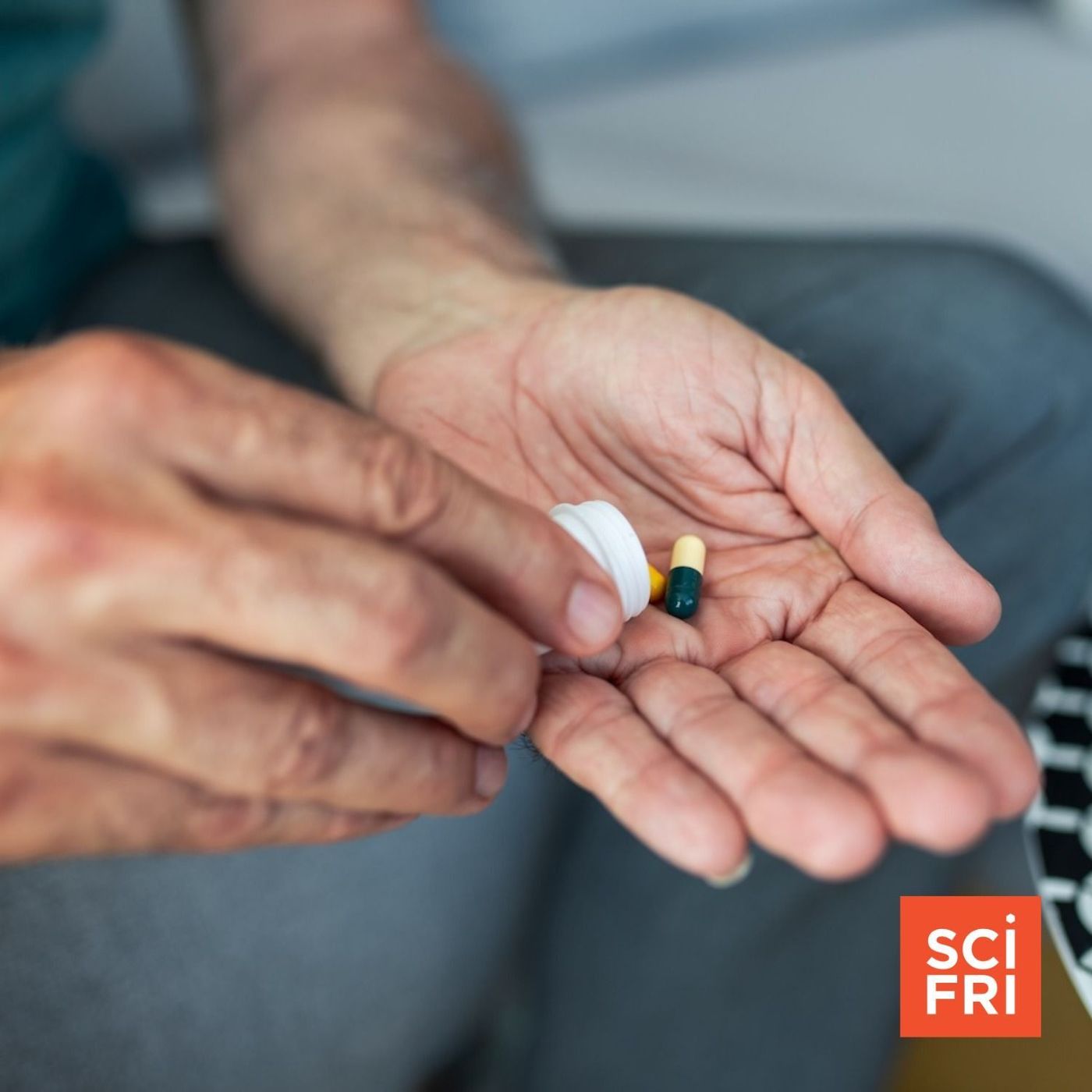
1134: What Do We Know About SSRI Antidepressant Withdrawal?
Roughly 1 in 10 Americans take antidepressants. The most common type is SSRIs, or selective serotonin re-uptake inhibitors, like Prozac, Lexapro, and Zoloft…
 Science Friday
1133: Asha de Vos’ Journey From Deck Hand To Marine Science Leader
The tropical waters of Sri Lanka, an island off the coast of India, are home to a population of blue whales unlike any other. These whales stay put, while…
 Science Friday
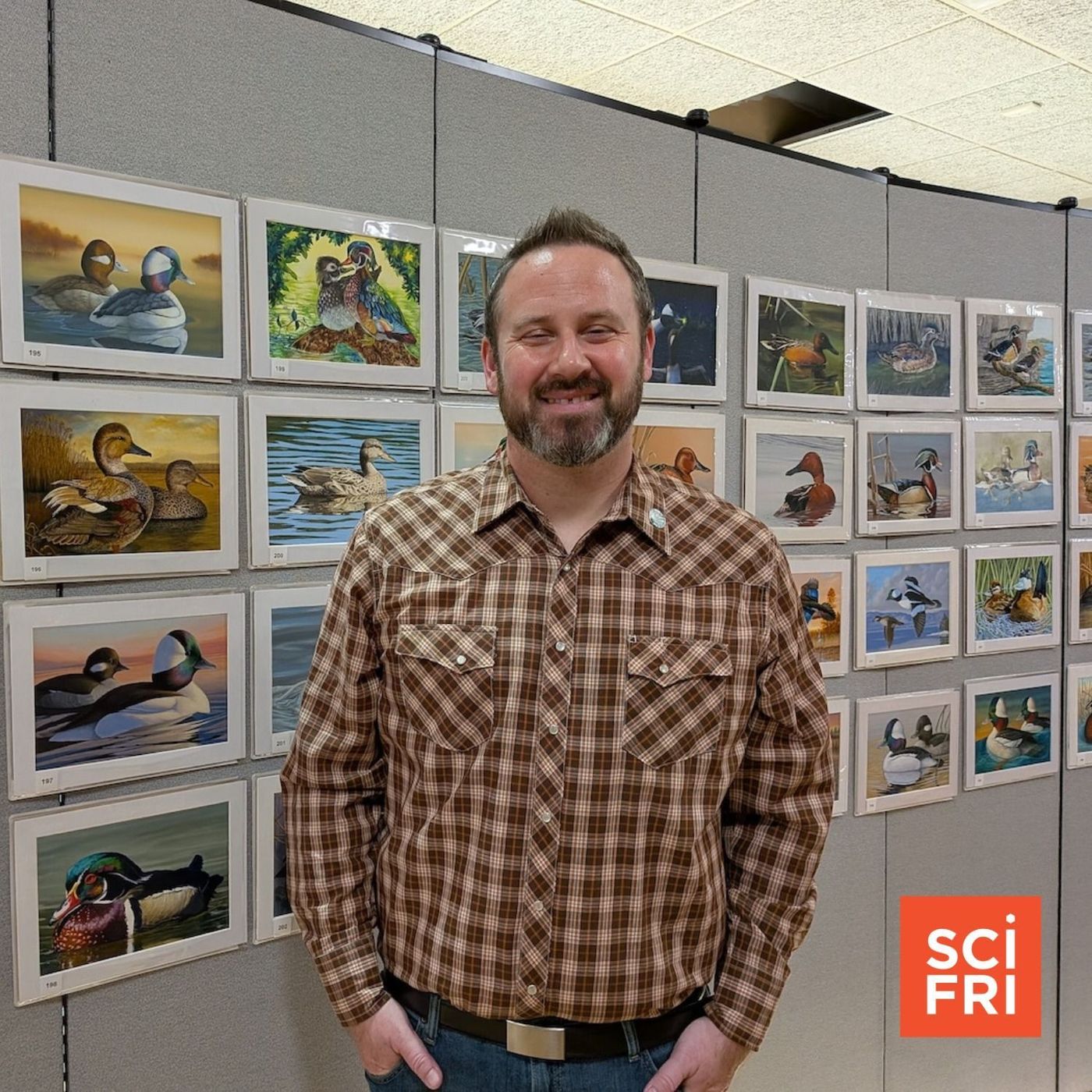
1132: Why Painters Are Obsessed With The Duck Stamp Art Contest
In mid-September, artists from around the country convened in Laurel, Maryland, for one of the splashiest events in the wildlife art world: the Federal Duck…
 Science Friday
1131: Can Better Equipment Eliminate Concussions In Sports?
Football season is well underway, and fans know those athletes get hit hard. Could better helmets and guidelines around concussion prevention someday eliminate…
 Science Friday
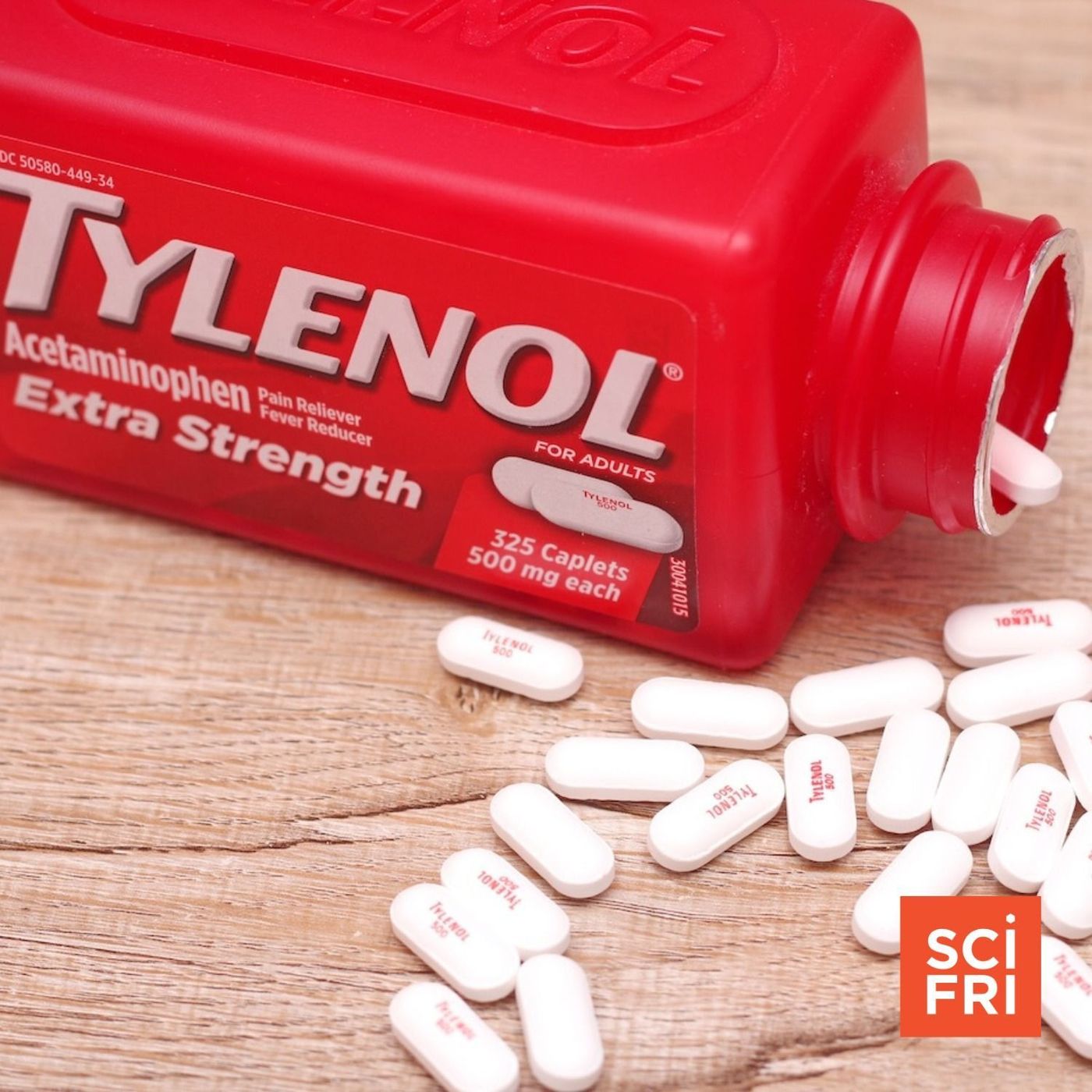
1130: Is Tylenol Use During Pregnancy Connected To Autism?
At a news conference on September 22, President Trump claimed that taking acetaminophen, the active ingredient in Tylenol, during pregnancy “can be associated…
 Science Friday
1129: How AI Advances Are Improving Humanoid Robots
Robots are just about everywhere these days: circling the grocery store, cleaning the floor at the airport, making deliveries. Not to mention the robots on the…
 Science Friday
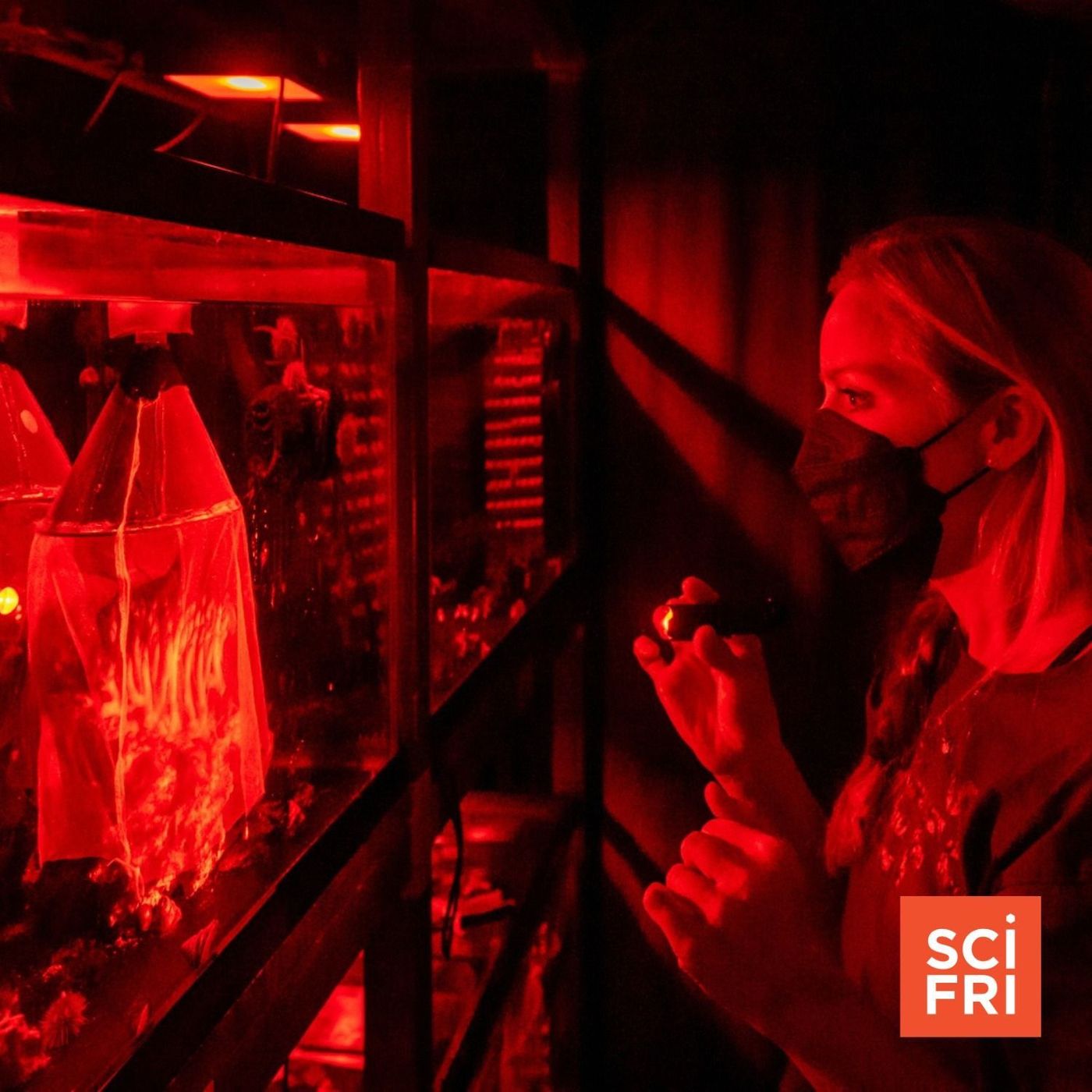
1128: The High-Tech Lab Unlocking Secrets Of Coral Reproduction
In the heart of San Francisco’s Golden Gate Park, scientists are on the cutting edge of growing coral. Rising ocean temperatures have caused mass coral…
 Science Friday
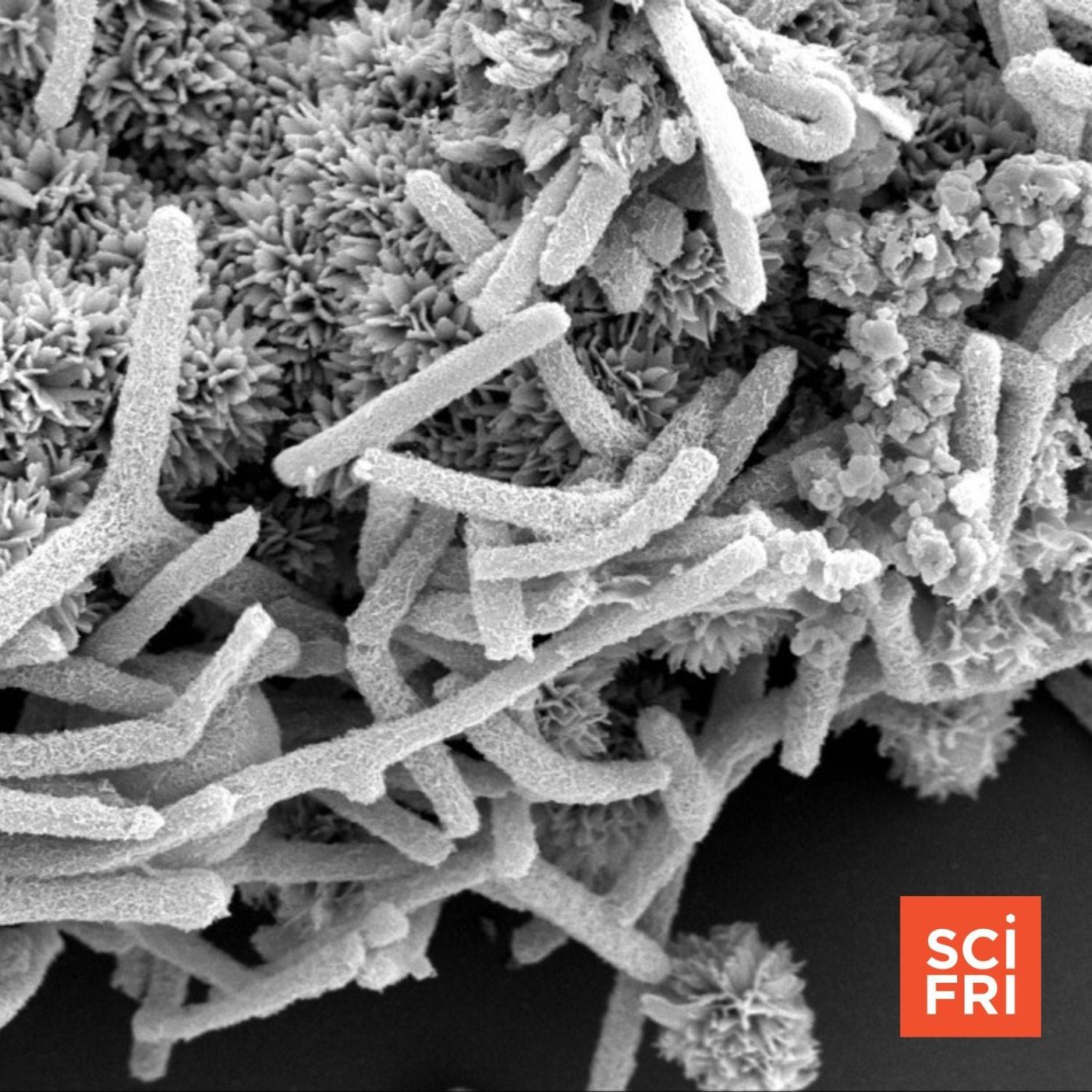
1127: The Humble Microbe Could Help Us Understand Life Itself
Sift through your memories and excavate an image of a fossil. Maybe you’re picturing dinosaur bones, the imprint of an ammonite, or the fronds of a fern etched…
 Science Friday
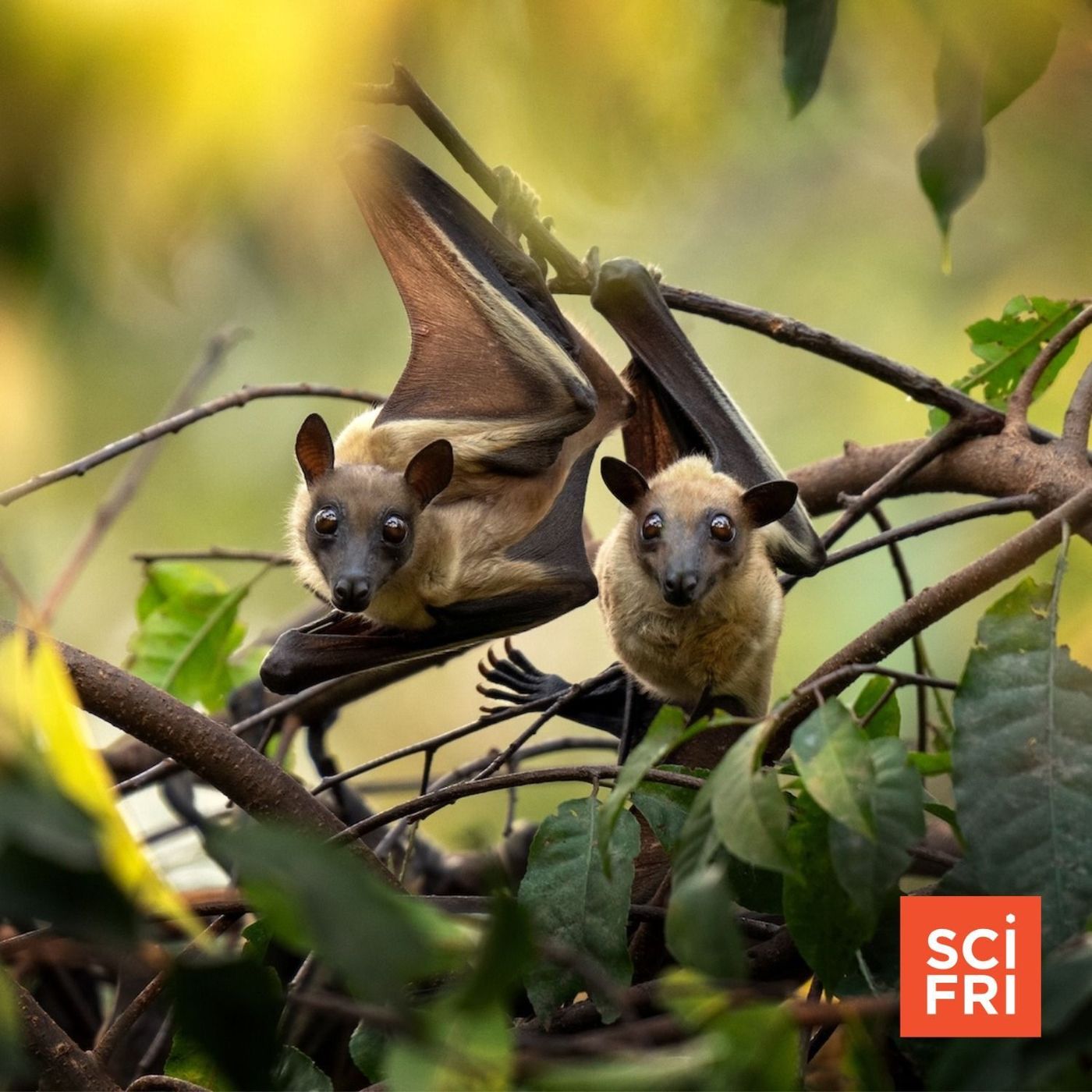
1126: Raising A New Generation Of Bat Conservationists In West Africa
Nigeria is home to 100 known species of bats—about a third of Africa’s bat species—but scientists don’t know much about them. Ecologists Iroro Tanshi and…
 Science Friday
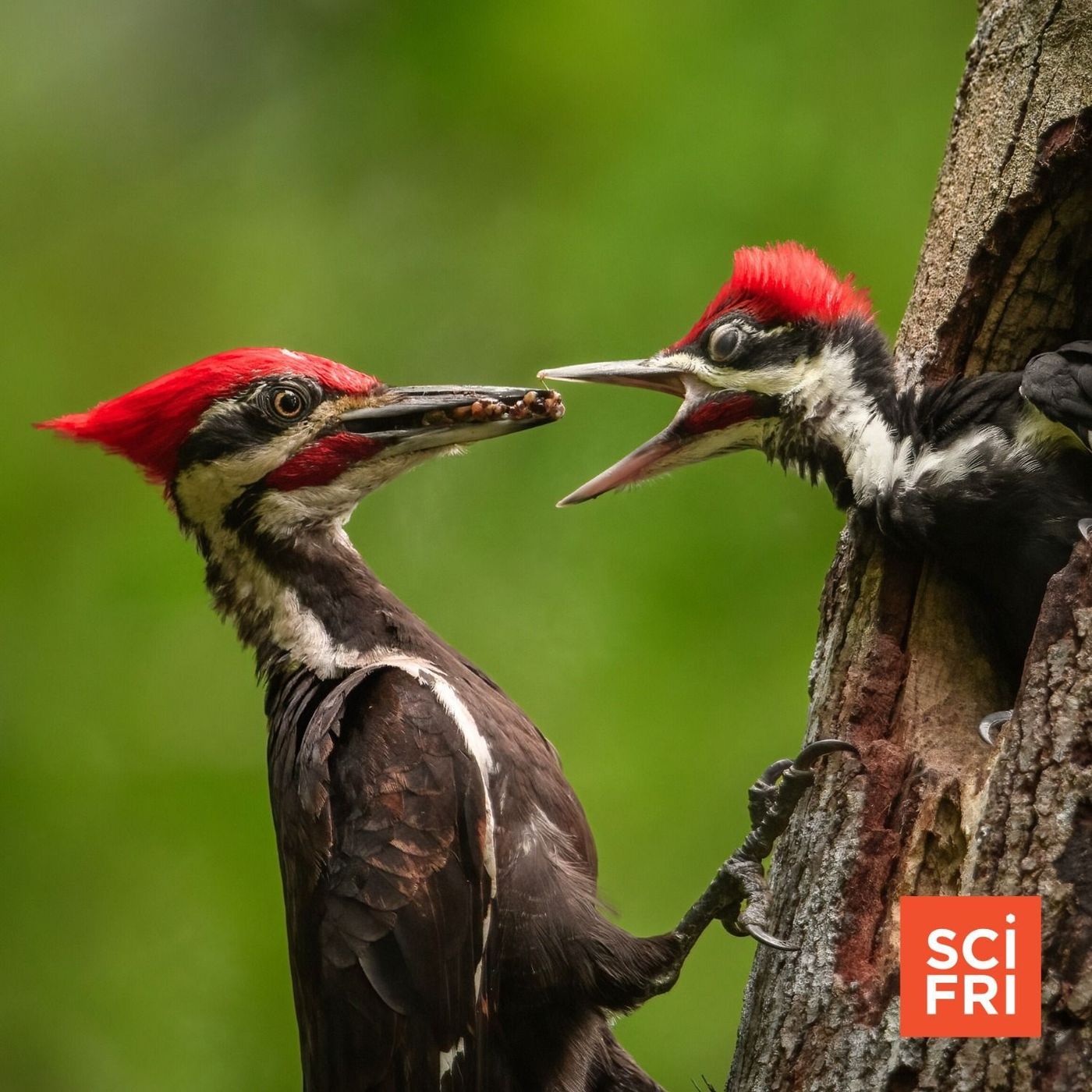
1125: How Conservation Efforts Brought Rare Birds Back From The Brink
The overall state of birds can seem rather grim. Almost a third of North American bird species are in decline, and in the last five decades, more than 100…
 Science Friday
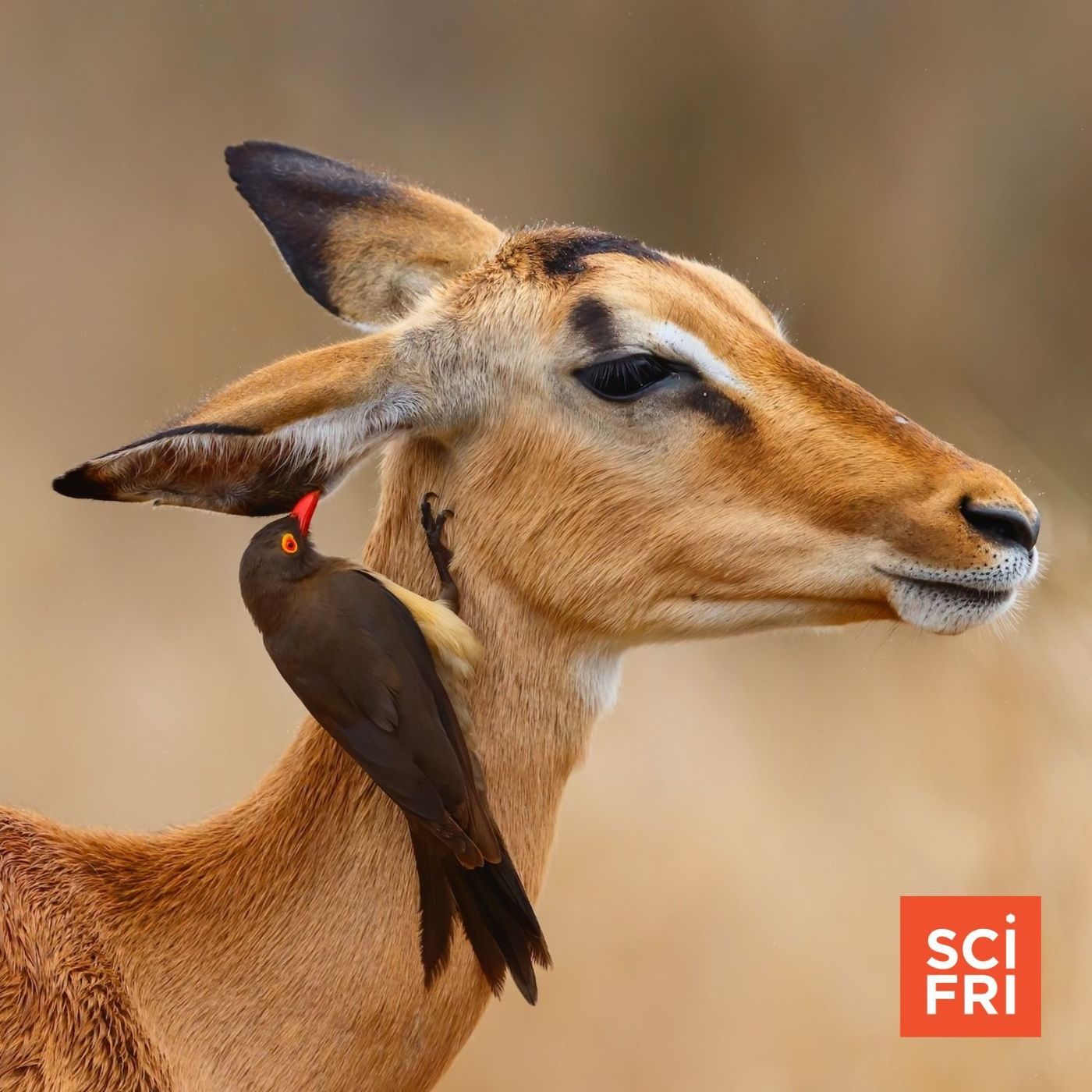
1124: Teamwork Between Species Is The Key To Life Itself
Codependency between humans gets a bad rap. But in nature, species often rely on each other for survival. While humans think they’re in control of…
 Science Friday
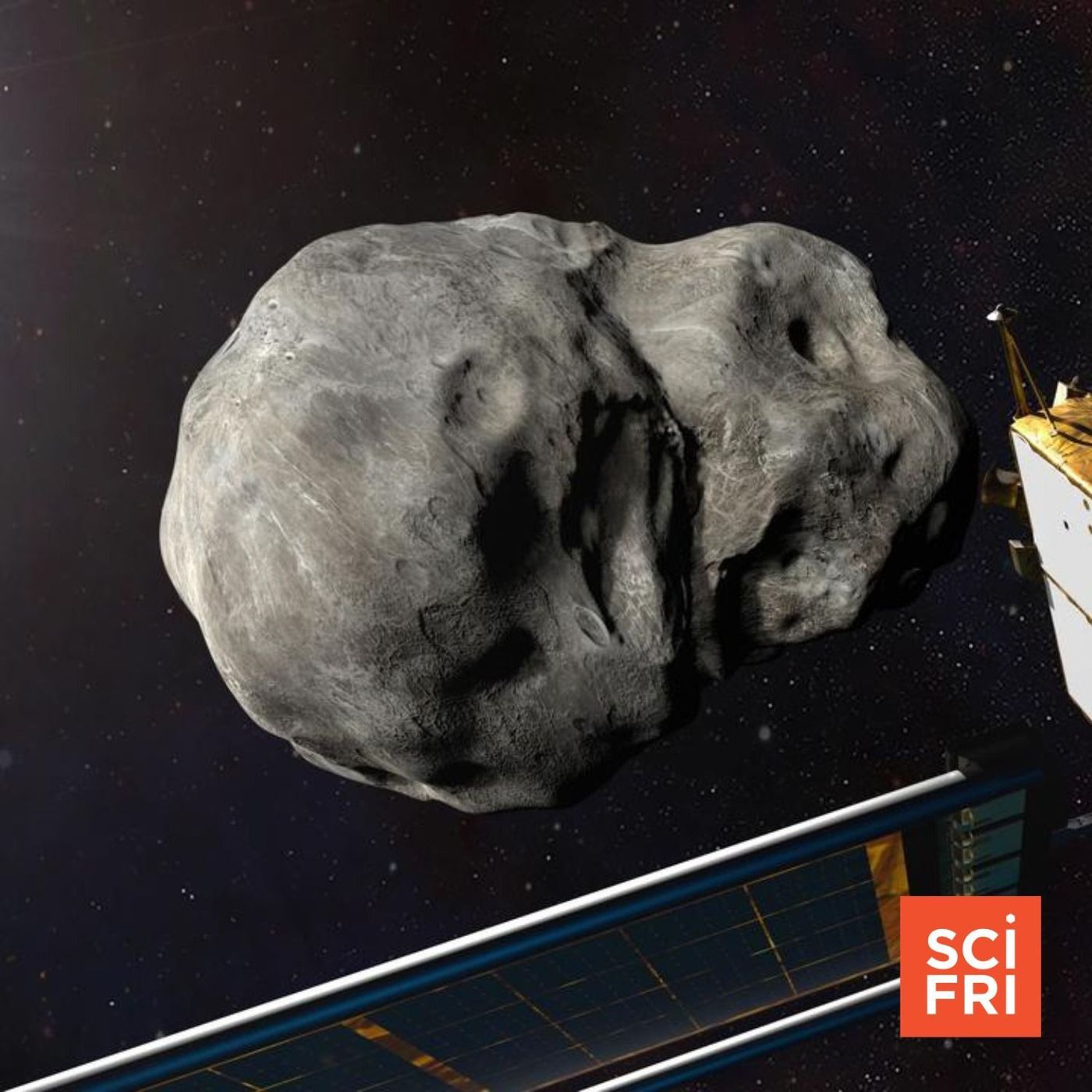
1123: If An Asteroid Were Headed For Earth, Would We Be Ready?
You might remember news reporting from earlier this year that a 180-foot asteroid had about a 3% chance of hitting Earth in 2032. And if it did, it would…
 Science Friday
1122: A Trailblazing Geneticist Reflects On Her Life And Work
It’s common knowledge that many diseases and conditions have some kind of genetic link. But that wasn't always the case. In 1990, long before the Human Genome…
 Science Friday
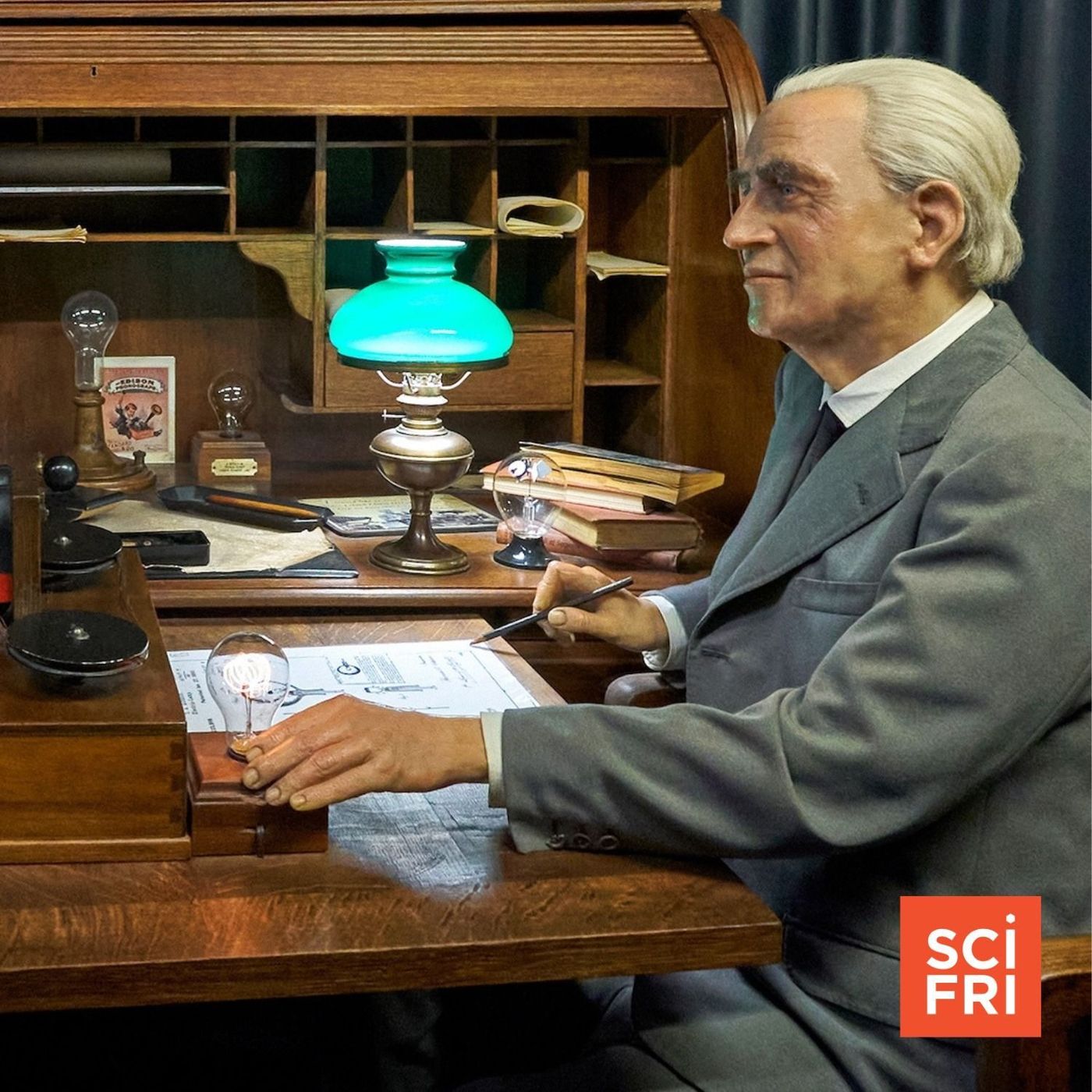
1121: What The Label Of ‘Genius’ Tells Us About Our Society
What makes someone a genius? Are they the smartest, most creative, most innovative people? Those with the highest IQ? Who we consider a genius may actually…
 Science Friday
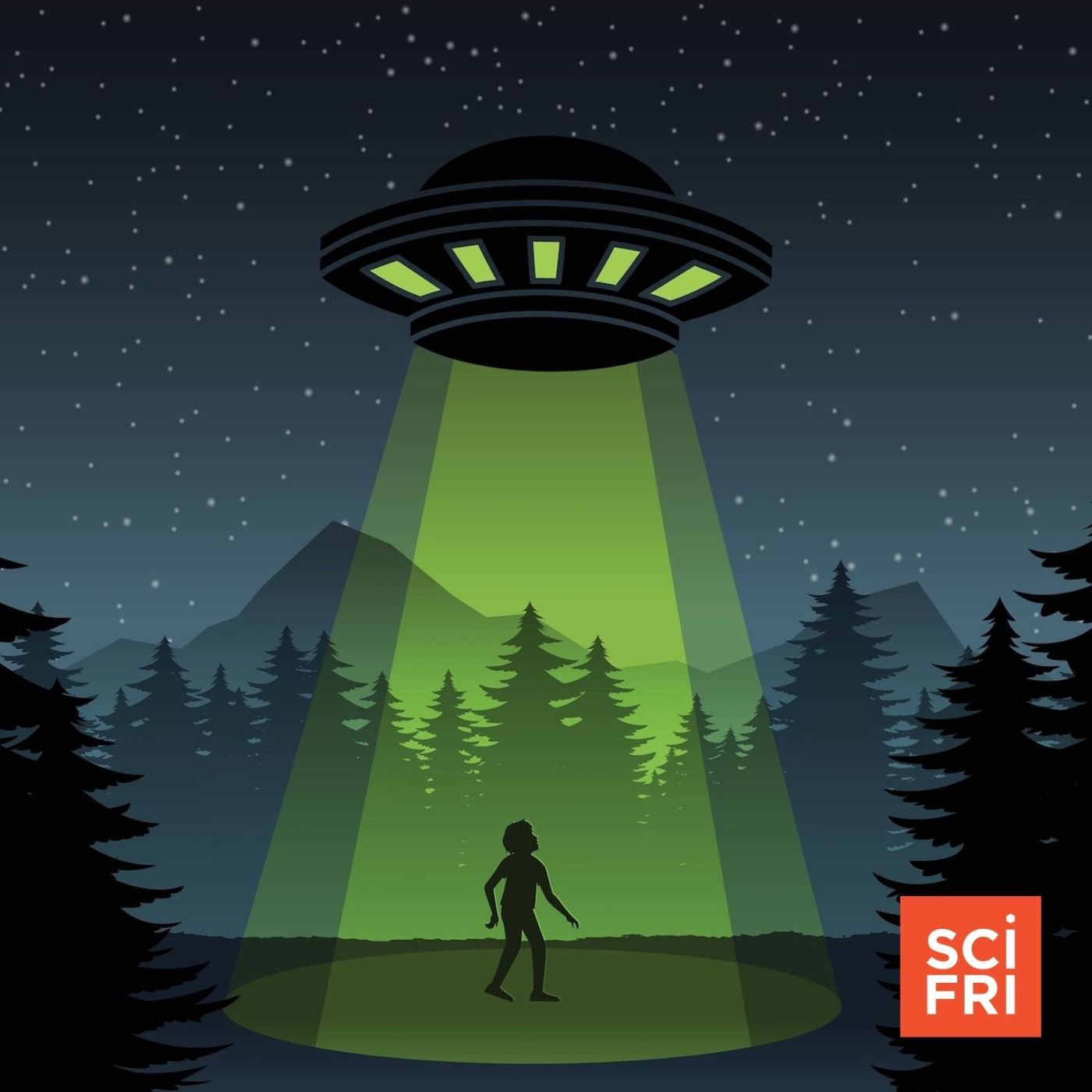
1120: The Human Obsession With Aliens Goes Way, Way Back
A video shown on Capitol Hill on September 9 reportedly shows an American hellfire missile attacking and simply bouncing off a UAP (the military term for a…
 Science Friday
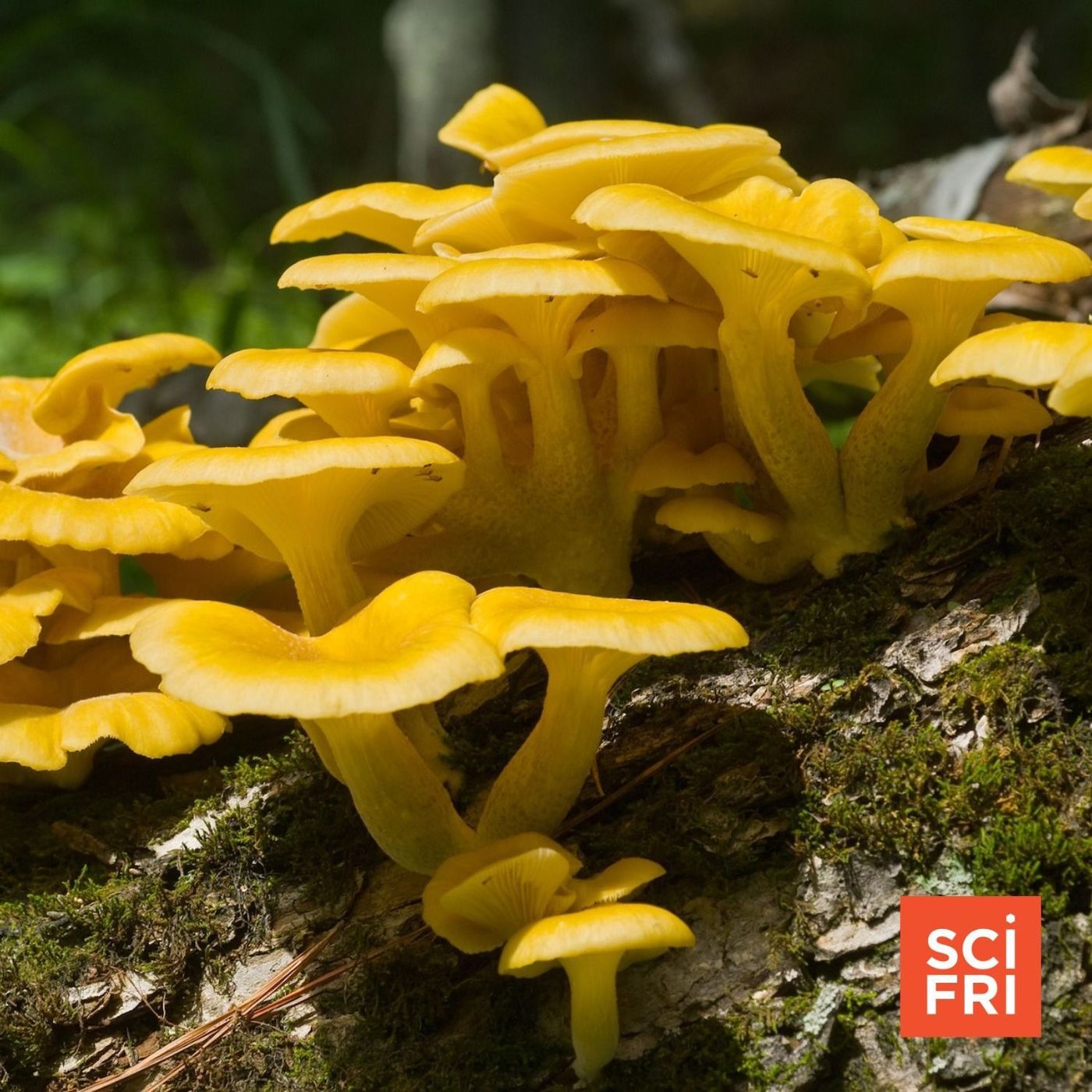
1119: A Delicious But Invasive Mushroom Could Affect Fungal Diversity
It all started harmlessly enough: People bought kits to grow mushrooms at home. But then, scientists in the upper Midwest noticed something strange. The golden…
 Science Friday
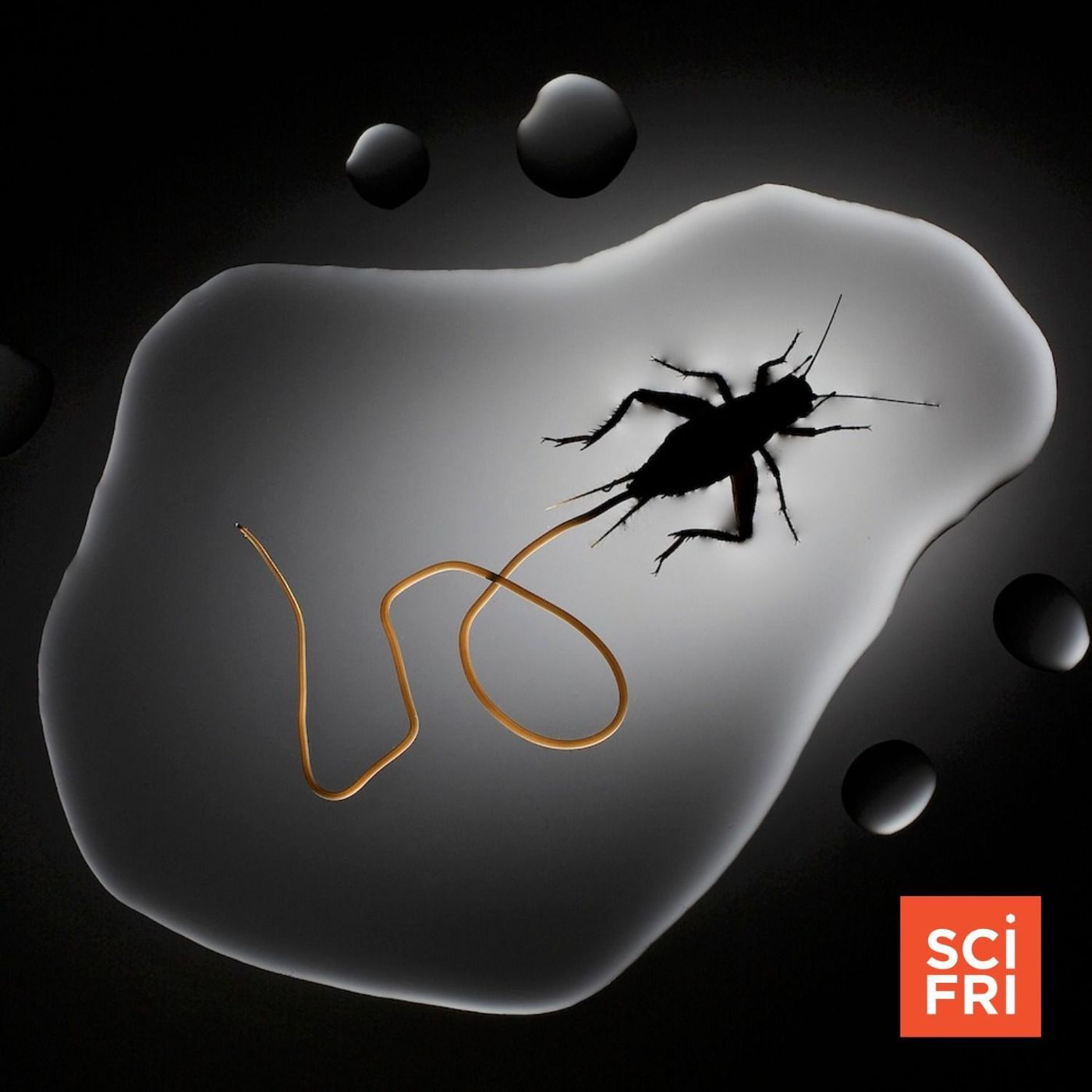
1118: A Photographer Captures Nature In Mind-Boggling Detail
If you’ve flipped through an issue of National Geographic or scrolled through their social media, and caught a stunningly detailed photo of a tiny…