Shows / Science Friday
Science Friday
Science Friday, as heard on PRI, is a weekly discussion of the latest news in science, technology, health, and the environment hosted by Ira Flatow. Ira interviews scientists, authors, and policymakers, and listeners can call in and ask questions as well.
Episodes
 Science Friday
1415: Sargassum superblooms are choking coastlines around the Atlantic
An unwelcome visitor is arriving on beaches from West Africa to the Caribbean, and Brazil to Florida. It’s brown, it’s stinky, and it’s more abundant than…
 Science Friday
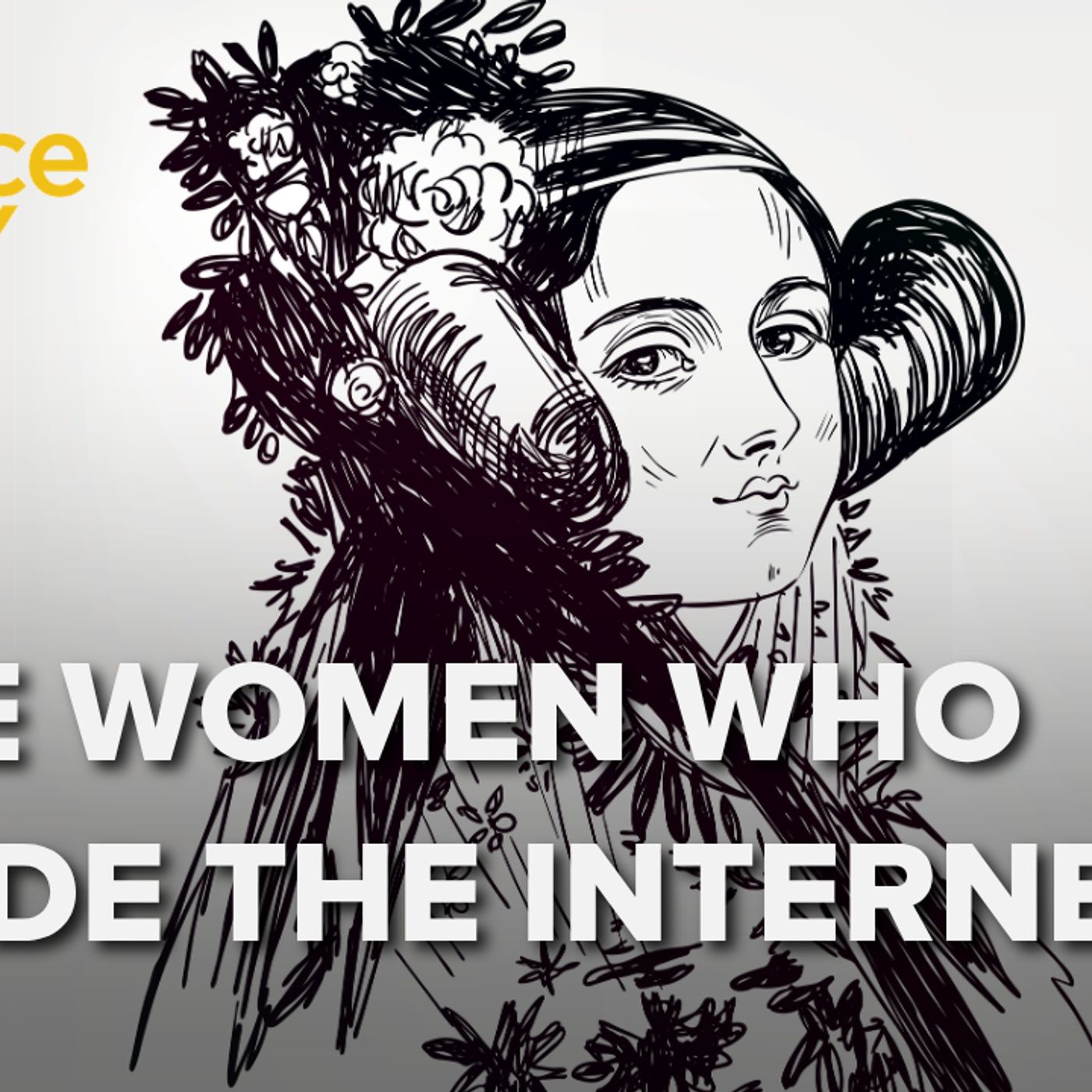
1414: Celebrating Ada Lovelace Day and the women who made the internet
This year, October 13 marks Ada Lovelace Day, an observance that calls attention to the role of women in computing and technology. In this conversation from…
 Science Friday
1413: Are attachment styles more than a social media trend?
In the past few years, the idea of attachment styles has taken off, both online and in therapy offices. It’s gone from a niche psychological concept to a…
 Science Friday
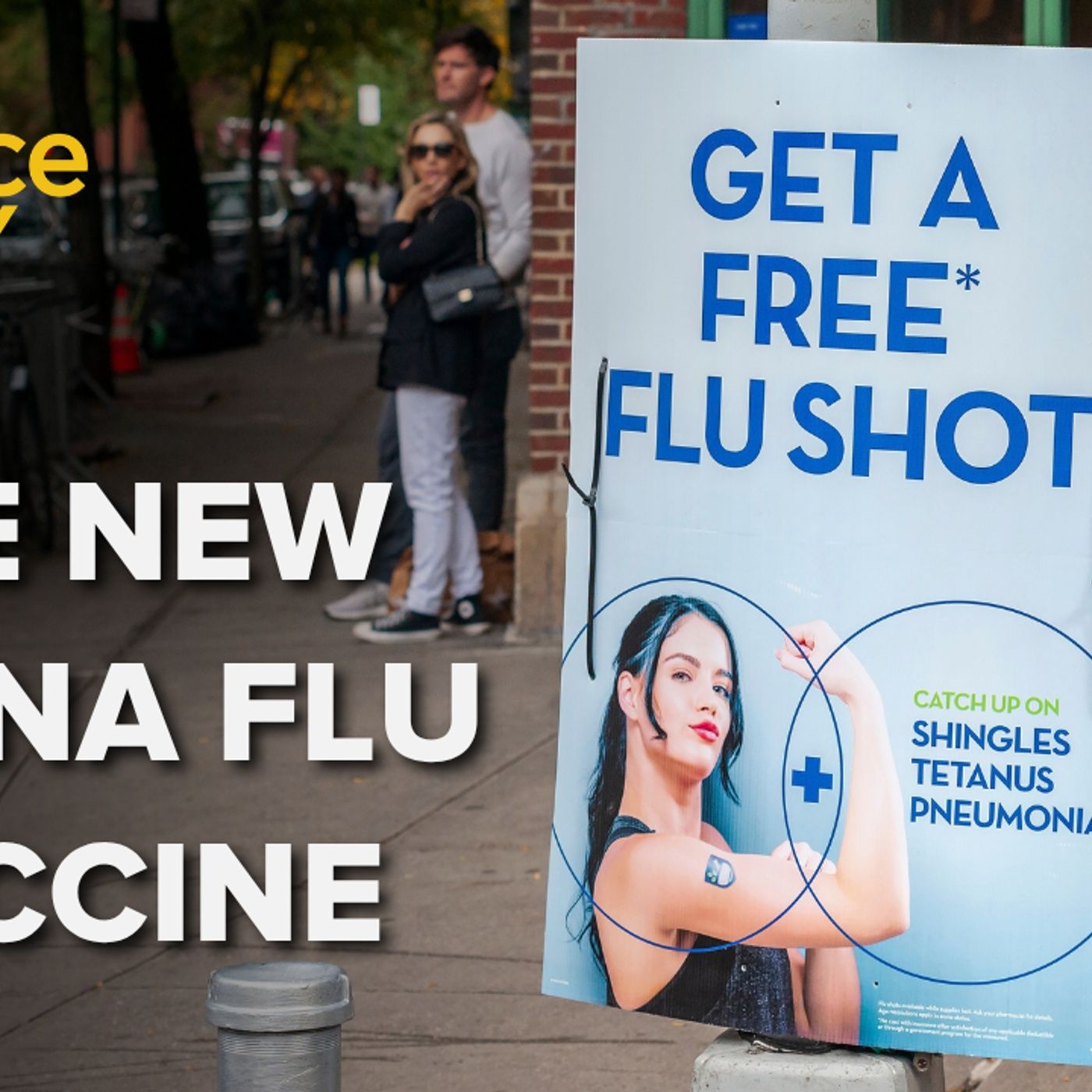
1412: The science and politics of the new mRNA flu vaccine
A new mRNA flu vaccine made by Moderna was approved by the FDA in August, and is currently available for people aged 50 and over. The promise of an mRNA…
 Science Friday
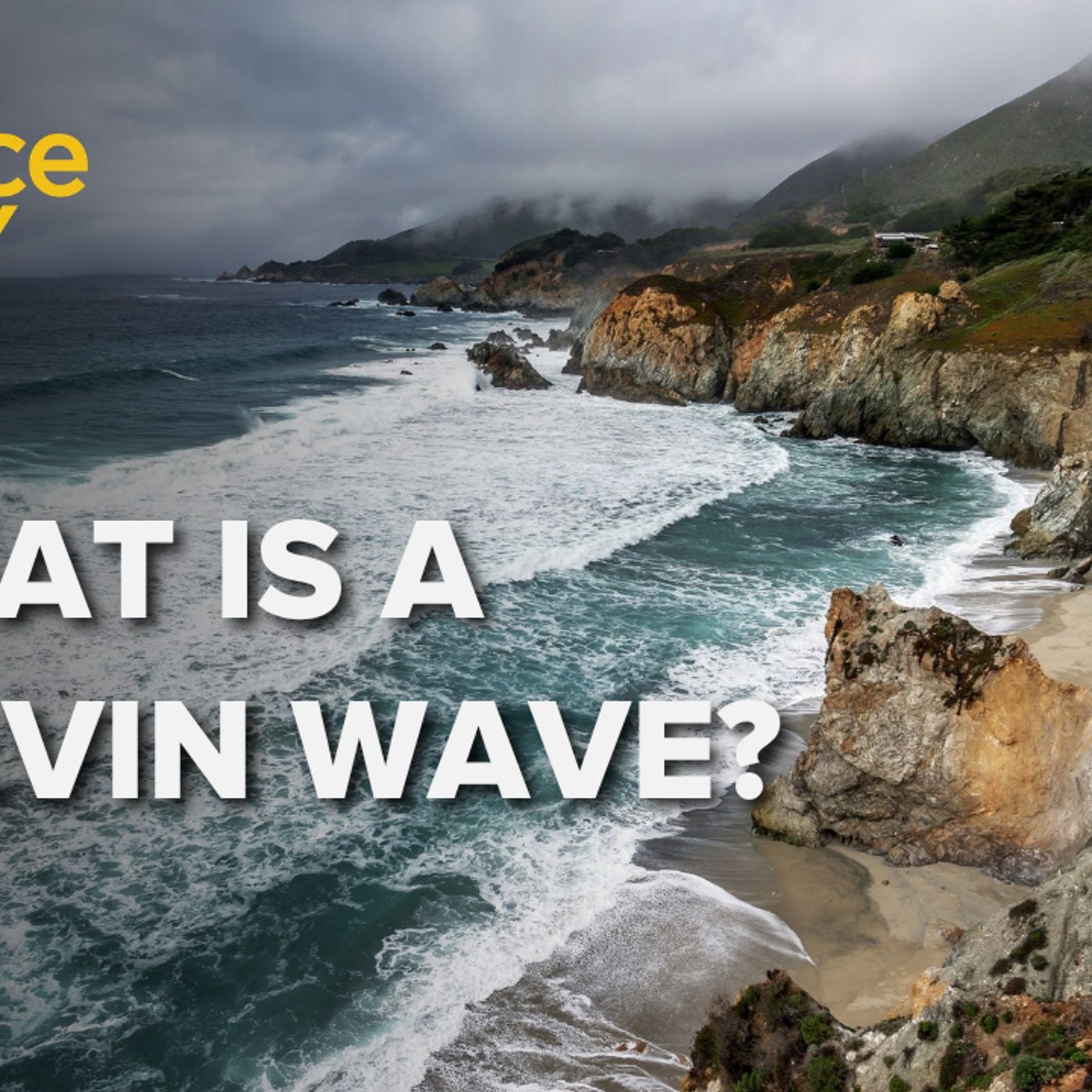
1411: What is the Kelvin wave on the West Coast?
A Kelvin wave has reached California and is creeping up the West Coast, raising both sea levels and concerns from government officials. This kind of massive…
 Science Friday
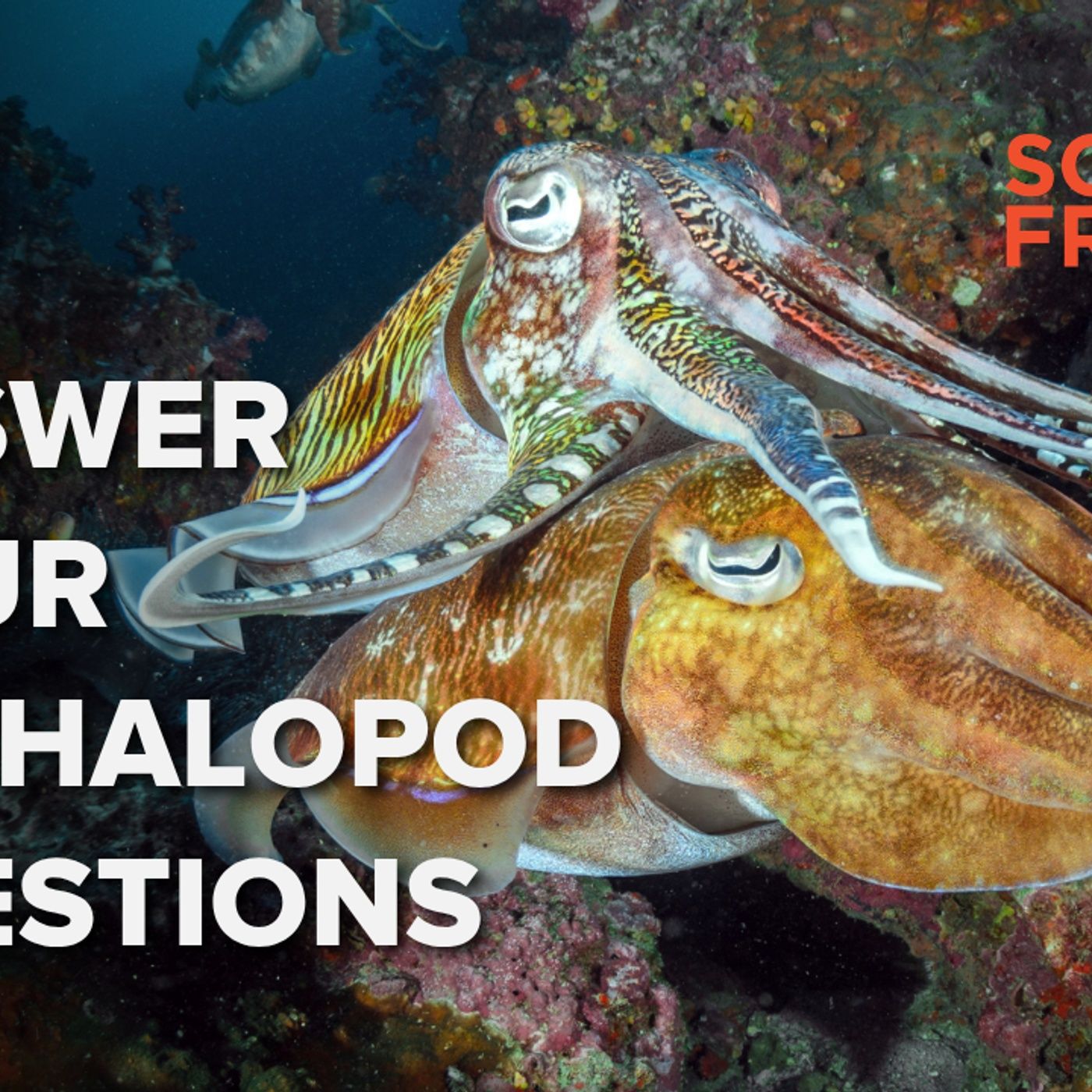
1410: The punk rock life of cephalopods
Cephalopods have a reputation for being smart and majestic. And while that may be true, the life of a cephalopod can also be dark and gritty. Have you heard of…
 Science Friday
1409: The Nobel winner searching for deep-space neutrinos in Antarctica
It’s Nobel Prize week, and this year's prize in physics went to Francis Halzen “for decisive contributions to the IceCube Neutrino Observatory and the…
 Science Friday
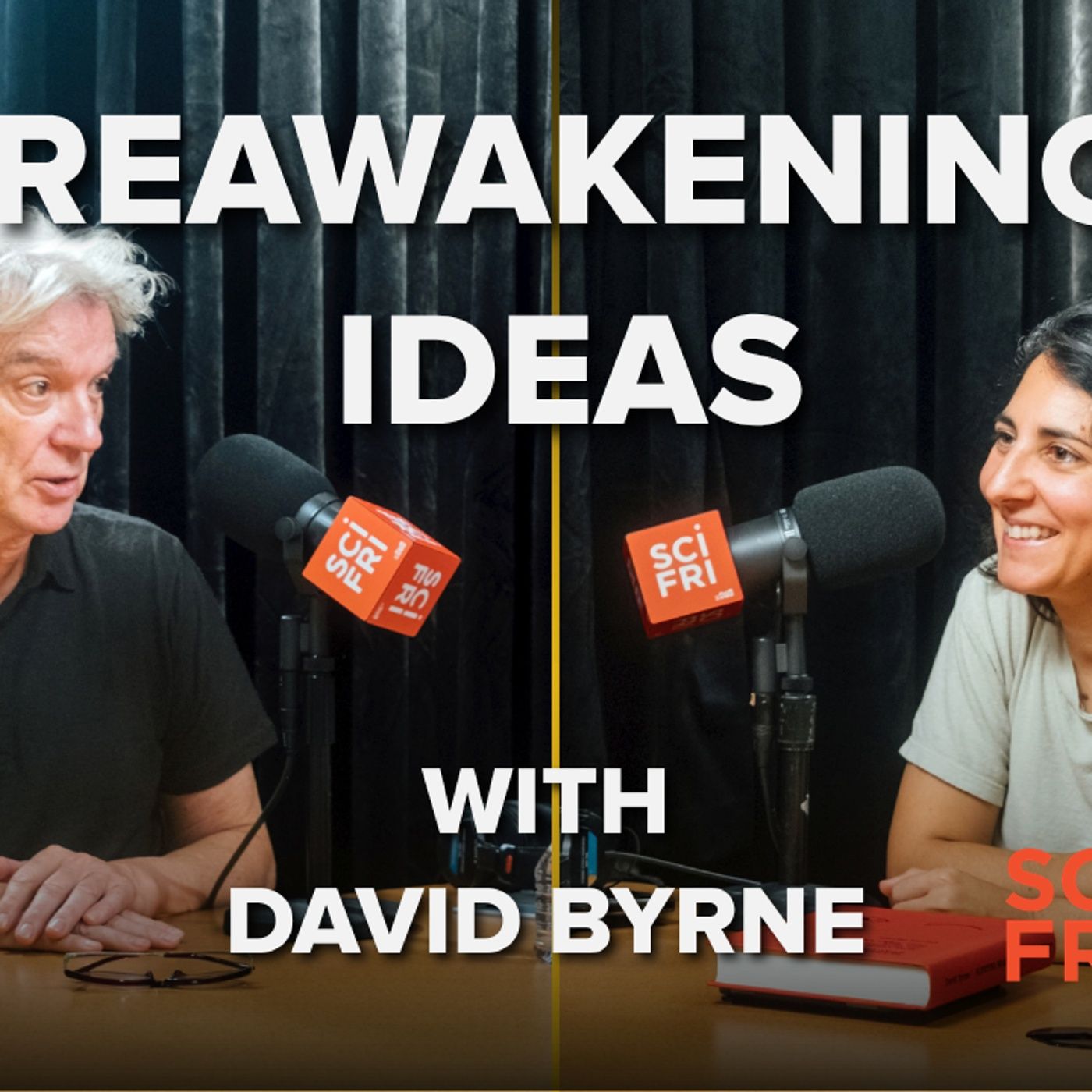
1408: How important ideas get reawakened, with David Byrne
On Science Friday, we love to talk about ideas, especially ideas that have the power to shape the future. But there are plenty of groundbreaking ideas that…
 Science Friday
The History of Concrete with John Wilson
John Wilson’s new documentary, “The History of Concrete,” has a subject matter that to most people may seem gray, drab, and boring. The film is anything but…
 Science Friday
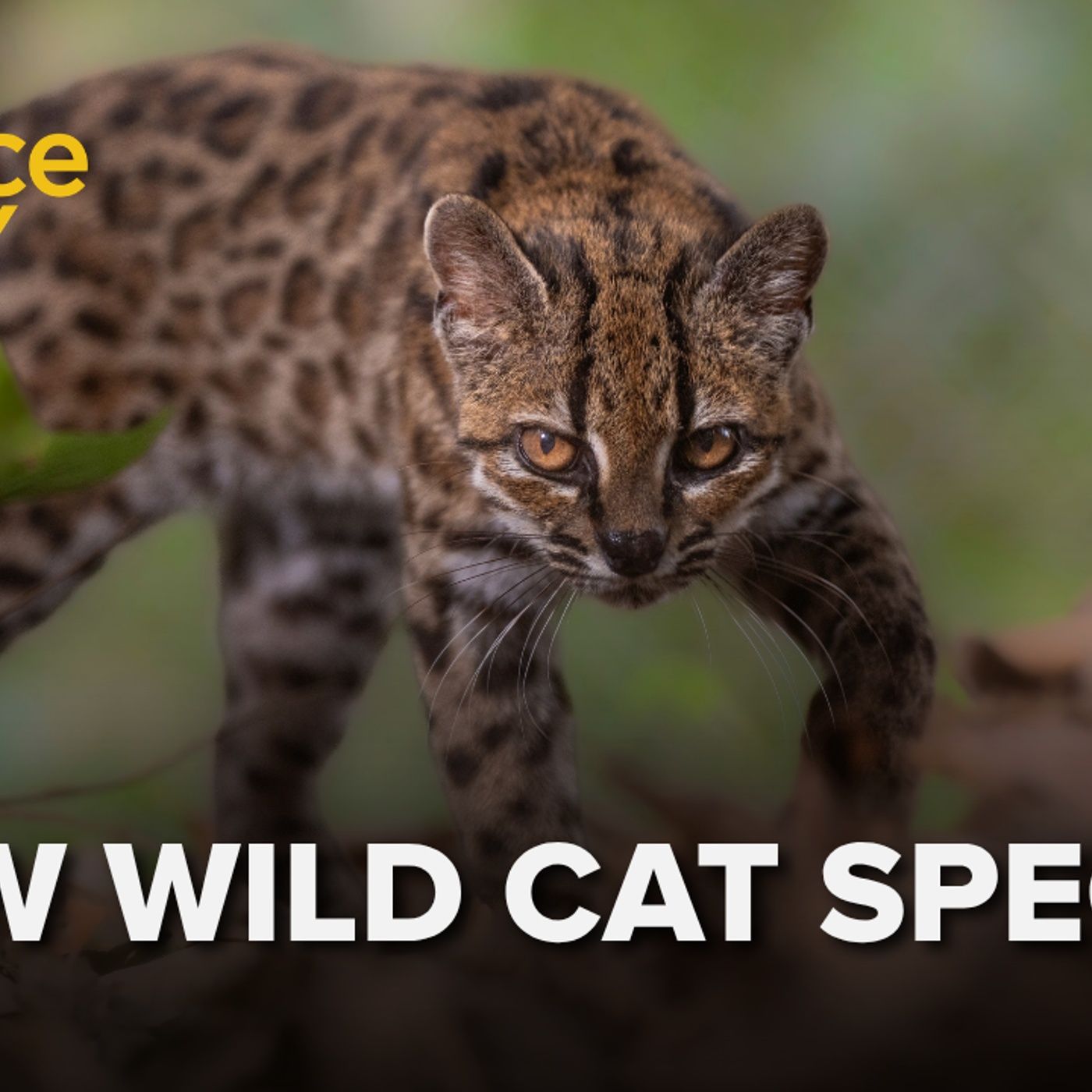
1406: The tilcayo is the new wild cat on the block
Big news for tiny cats: an itty-bitty three-pound spotted cat from Bolivia—called the tilcayo—is the first new wild cat species described in more than a…
 Science Friday
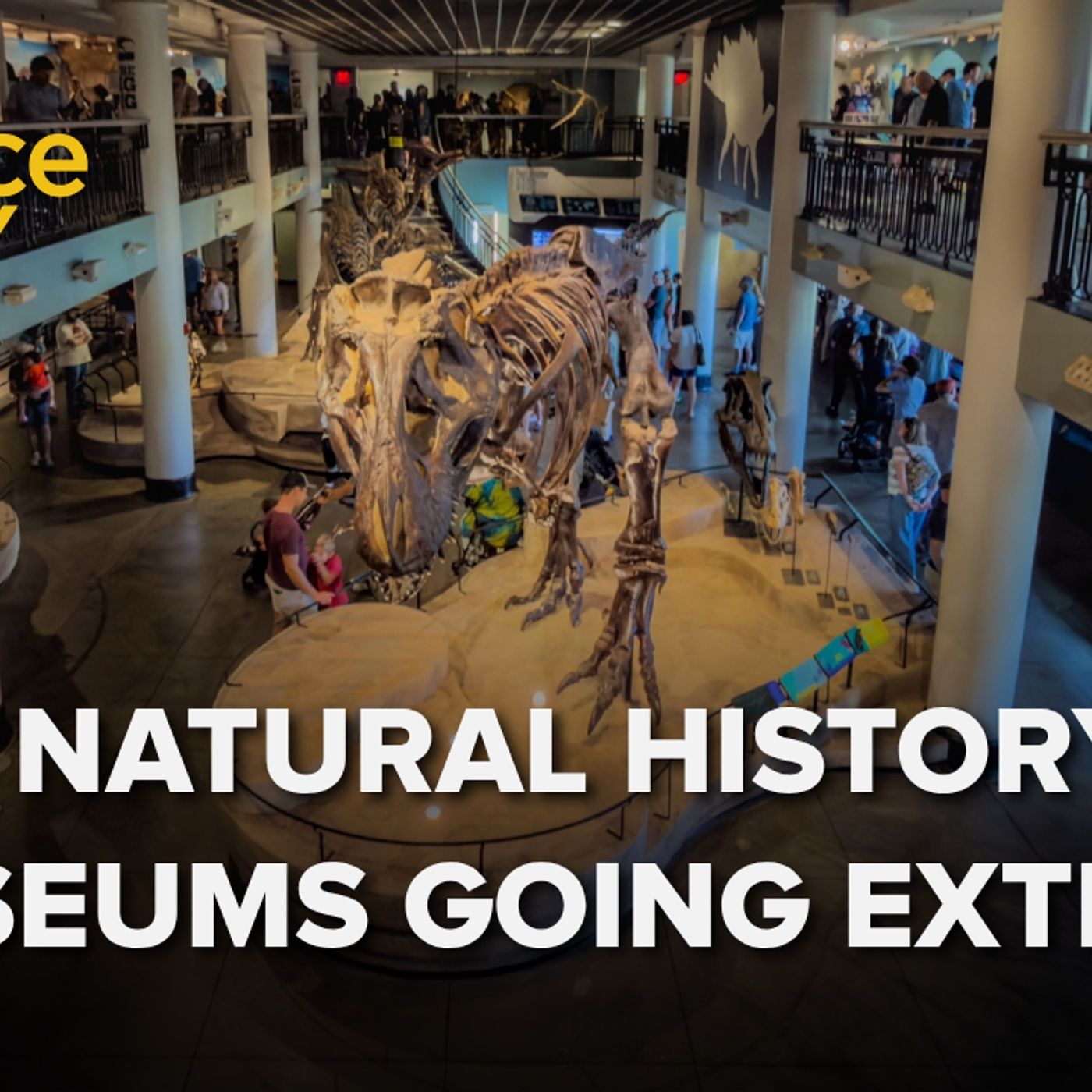
1405: Are natural history museums going extinct?
Leaders of the Academy of Natural Sciences of Drexel University say they can’t afford to keep the museum open to visitors. And there are rumors that another…
 Science Friday
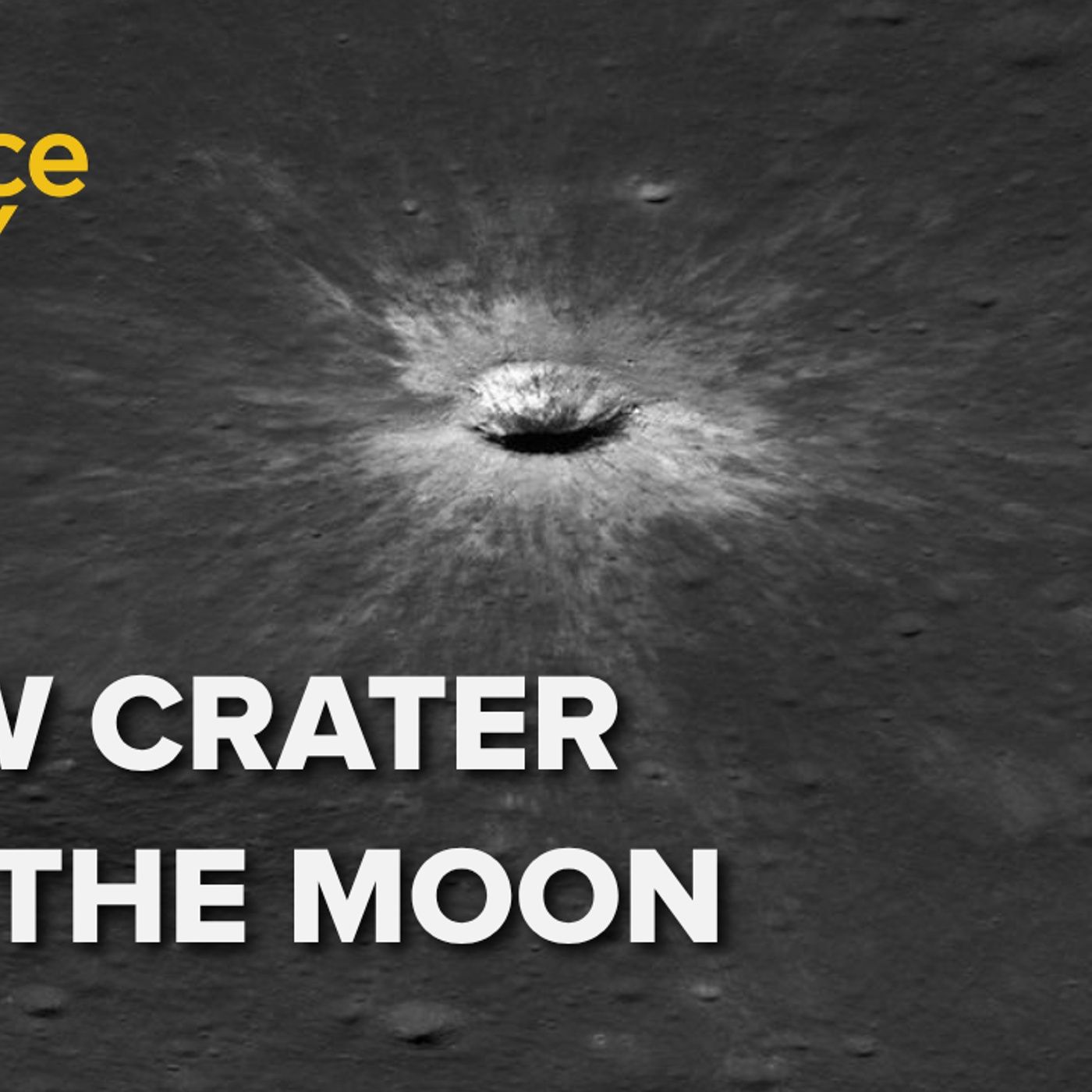
1404: Examining a new lunar crater + searching for signs of alien technology
In 2024, scientists using instruments on board the Lunar Reconnaissance Orbiter spacecraft spotted a new large impact crater on the surface of the moon. Tyler…
 Science Friday
1404: Did the COVID pandemic stunt kids’ development?
It’s a conversation at playgrounds and in classrooms: parents and teachers worry that kids who spent formative years at home during the COVID-19 pandemic are…
 Science Friday
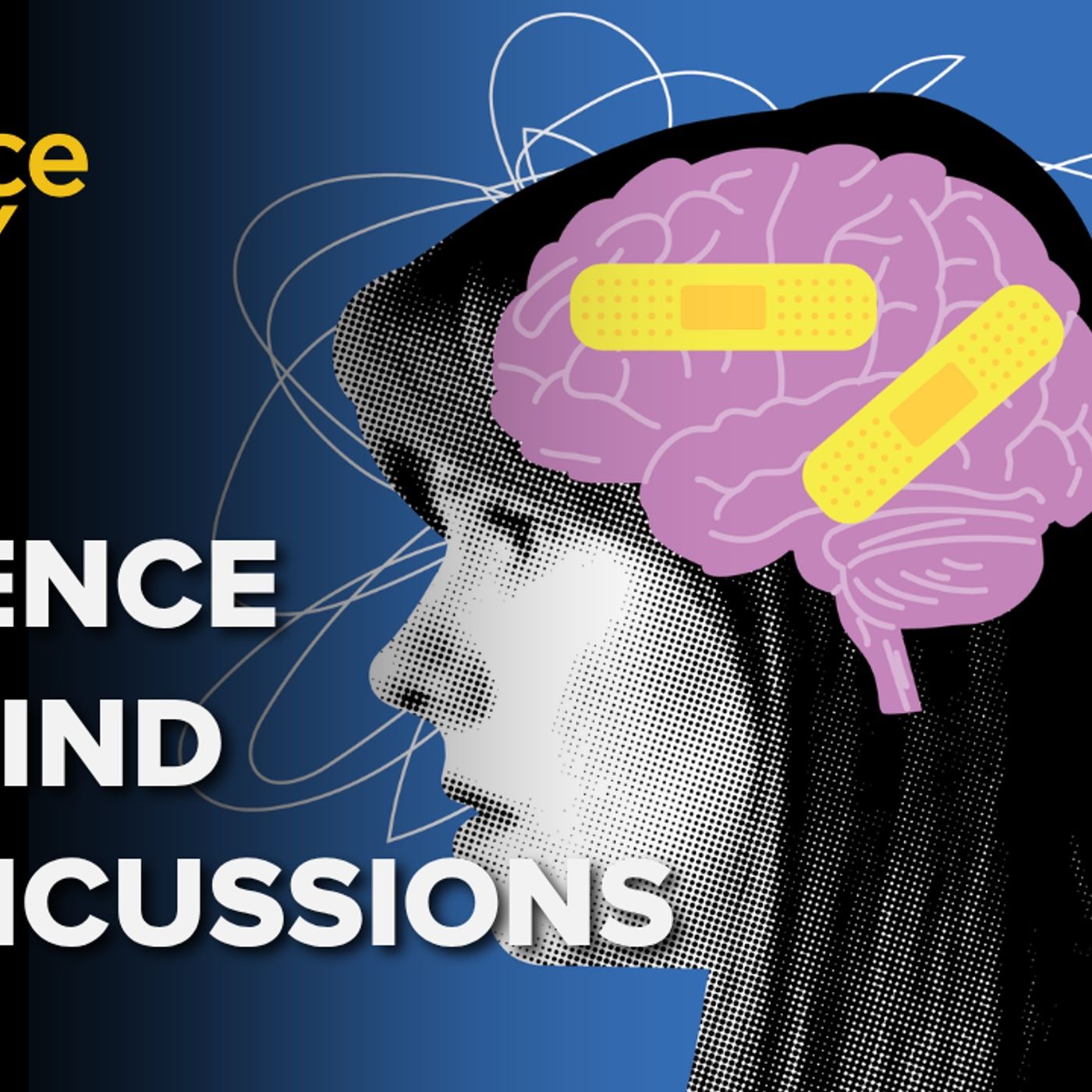
1403: How do concussions affect the brain?
Football season is upon us and a new study is making headlines. Researchers found that roughly 1 in 4 NFL players will develop CTE, a neurodegenerative…
 Science Friday
1402: Are new treatments for celiac disease on the horizon?
For celiac disease sufferers, avoiding gluten is the only way to avoid symptoms. But that’s not always easy to do. Researchers are working on new treatments…
 Science Friday
1401: Everyone is calling for safer AI. So what does that mean?
AI safety has dominated the news cycle for weeks, precipitated in part by an AI attack where a bunch of OpenAI’s agents teamed up and hacked another AI…
 Science Friday
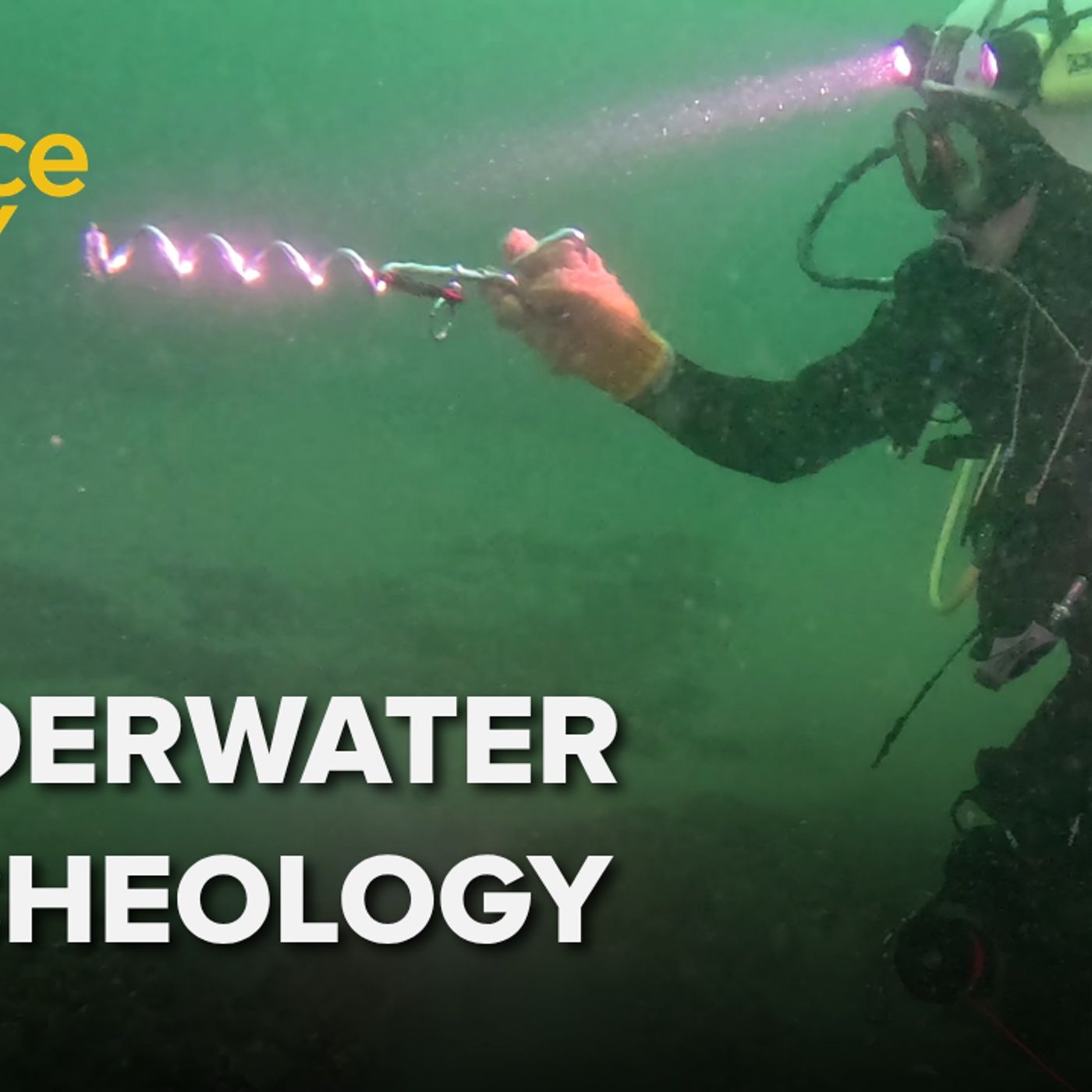
1400: Underwater archeology reveals clues about Ice Age humans
During the last ice age, America’s coastlines and waterways looked much different than they do today. When glaciers melted, coasts and shorelines were…
 Science Friday
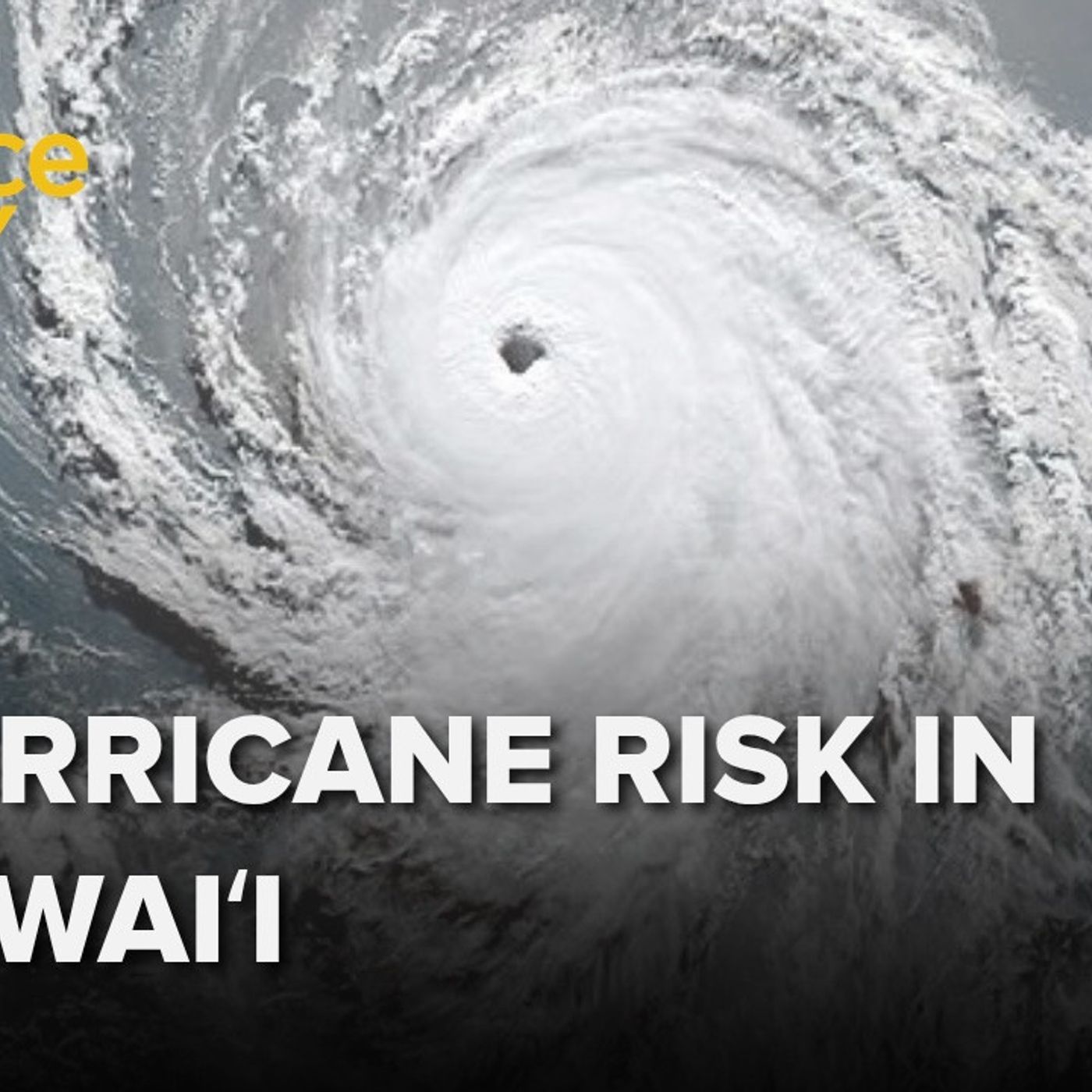
1399: Climate change is increasing hurricane risk for Hawaiʻi
The Hawaiian Islands tend to be insulated from the worst effects of hurricanes, but this summer has been different. In mid-August, Hurricane Lala pummeled the…
 Science Friday
1398: Bringing hard electronics into soft and squishy bodies
A lot of things in life are squishy, including your skin, your organs, and all the goo inside you. But technology tends to be rigid and hard. Figuring out how…
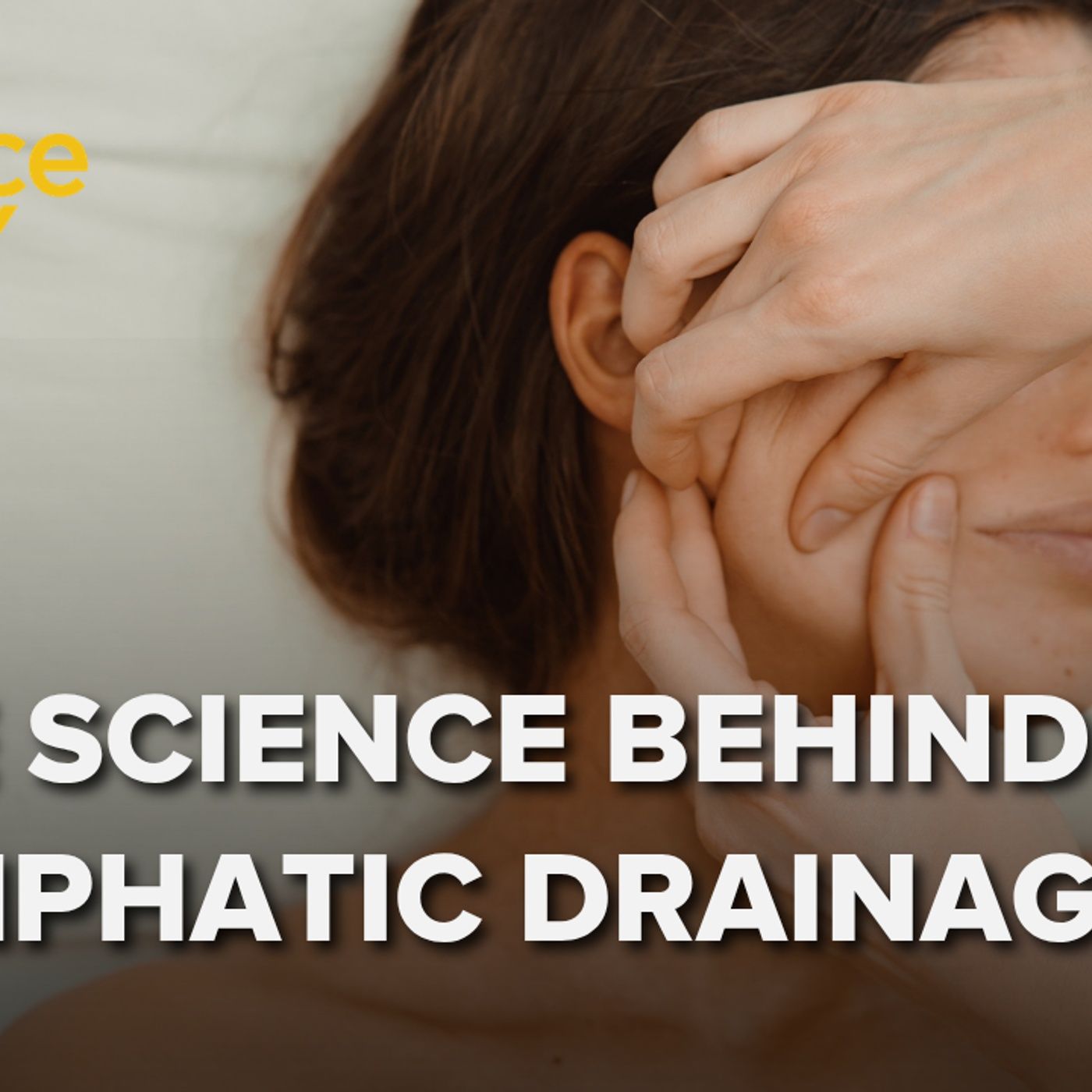 Science Friday
1397: What is lymphatic drainage, anyway?
There’s a new wellness trend focused on an obscure capillary system that moves fluid around the body. Things like lymphatic walking, vibration plates, and…
 Science Friday
1396: Hot flashes and hormone therapy: the science of perimenopause
Perimenopause affects more than 4 billion people, but has historically been neglected by medicine. It’s the time before menopause when hormones start…
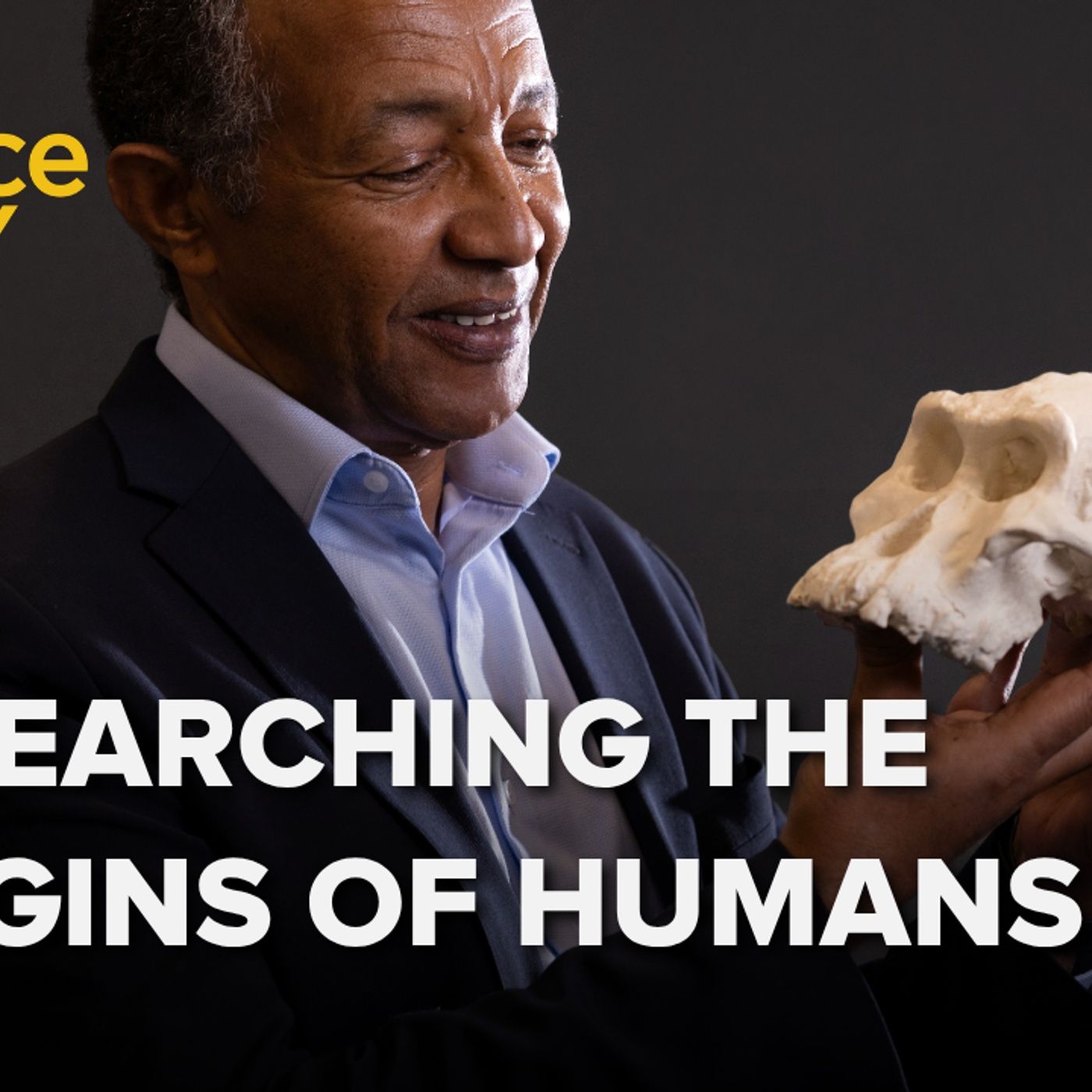 Science Friday
1395: Telling the tale of human origins, one fossil tooth at a time
Where did we come from? How did humanity, with our complicated civilizations and all our human quirks and foibles, come to be? Much of what we know about those…
 Science Friday
1394: Did the fire at the Library of Alexandria set humanity back?
In 48 B.C.E., a massive fire ripped through the Library of Alexandria in Egypt, one of the largest and most significant ancient libraries. An estimated 100,000…
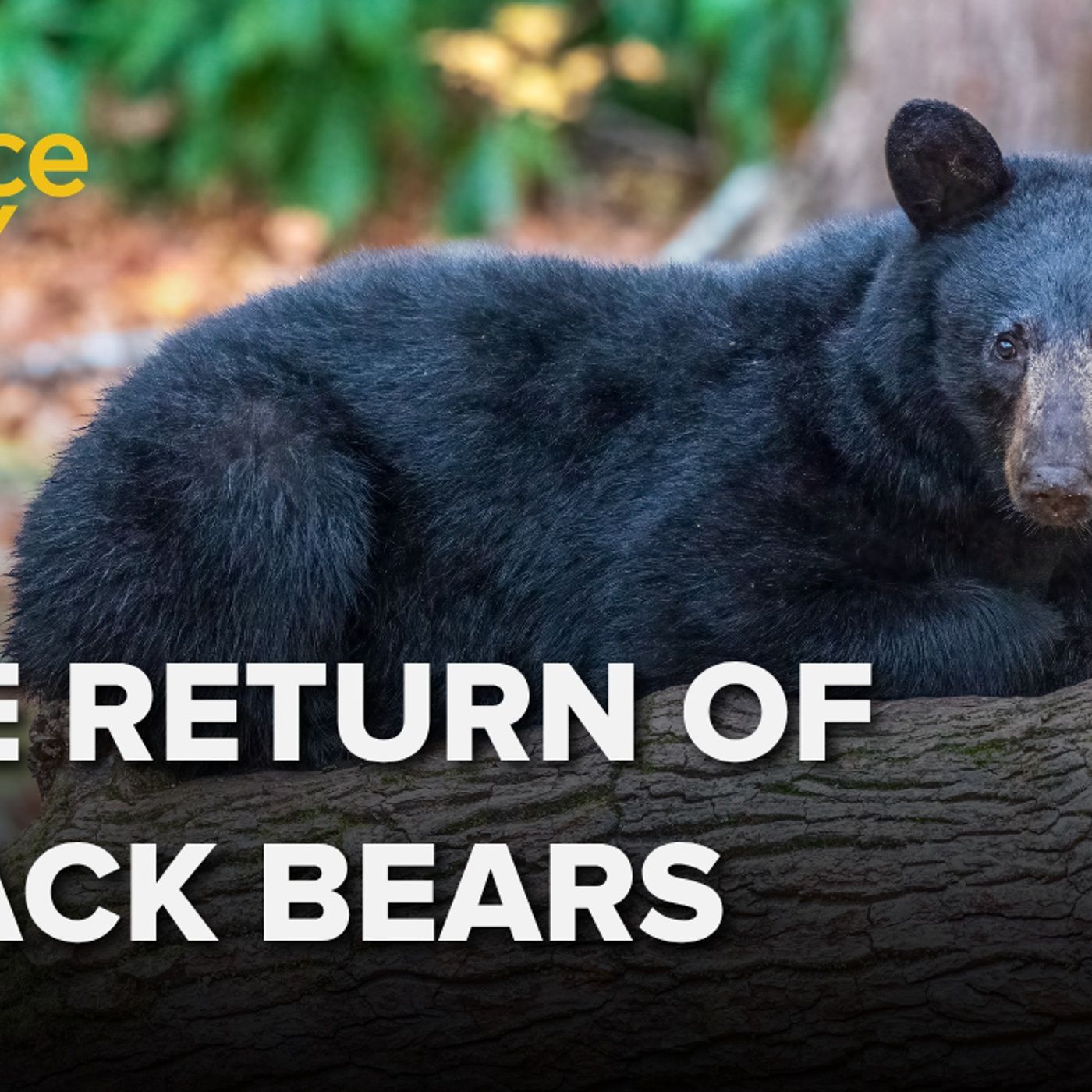 Science Friday
1392: Black bears are moving into the neighborhood. How do we coexist?
Living with black bears is complicated. They’re huge, hungry, and they really don’t care about your hostas. After a long period of being overhunted, black…
 Science Friday
1392: Is a shorter course of antibiotics OK? + Genetic risk of fibromyalgia
You’ve probably been warned that if you don’t finish that course of antibiotics, you could wind up battling antibiotic-resistant bacteria. But a growing body…
 Science Friday
1391: Where are we with understanding the health effects of cannabis?
When states began legalizing recreational cannabis a couple decades ago, 25 million Americans said they used the drug. That number nearly tripled to 70 million…
 Science Friday
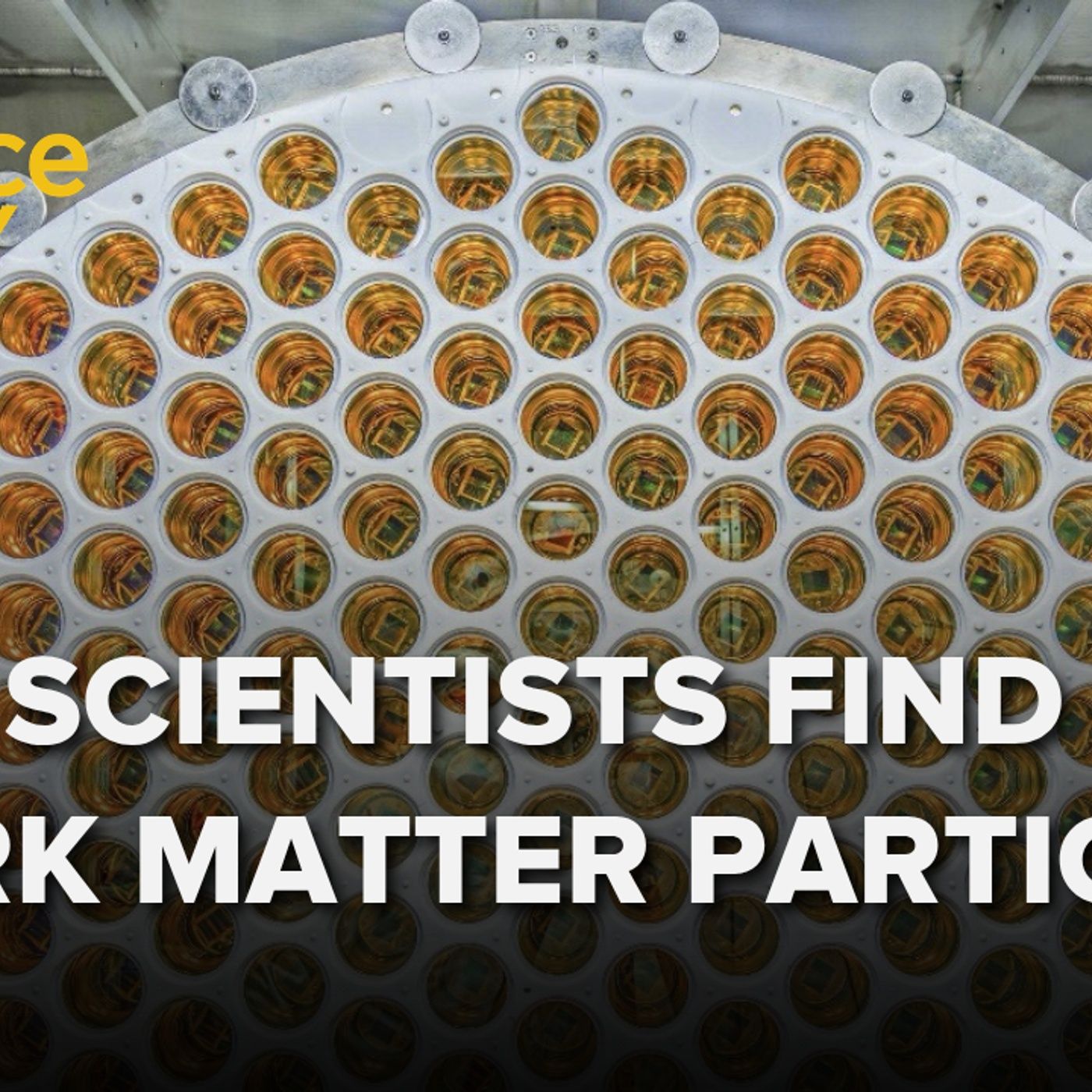
1390: Did scientists just find a dark matter particle? Maybe
There’s a flashy new find in the hunt for dark matter—the stuff that makes up 85% of all matter in the universe, but we have no clue what it is.A mile under…
 Science Friday
1389: Why physics and philosophy need each other
Once upon a time, much of what we call “science” was performed by people called “natural philosophers,” delving into mysteries of nature, physics, chemistry…
 Science Friday
1388: Recall rodeo: A food safety update + Why cars are catching fire
Between E. coli in blueberries, glass in popsicles, and that dreaded cyclospora, this summer was all about keeping a wary eye on the groceries in the fridge…
 Science Friday
1387: Is there science behind the ‘nervous system reset’?
On social media, the vagus nerve often gets billed as the gateway to nervous system nirvana: It’s your ticket to better rest, relaxation, and health if you…
 Science Friday
1386: For Jennifer Chayes, math is a 'native tongue'
Much of the code that describes the inner workings of social networks, helps apps predict your musical interests, and underlies innovations in AI traces back…
 Science Friday
1385: What an mRNA melanoma vaccine may mean for cancer treatment
A new mRNA vaccine for melanoma is making headlines. Moderna and Merck recently announced results from their clinical trial suggesting that this new vaccine…
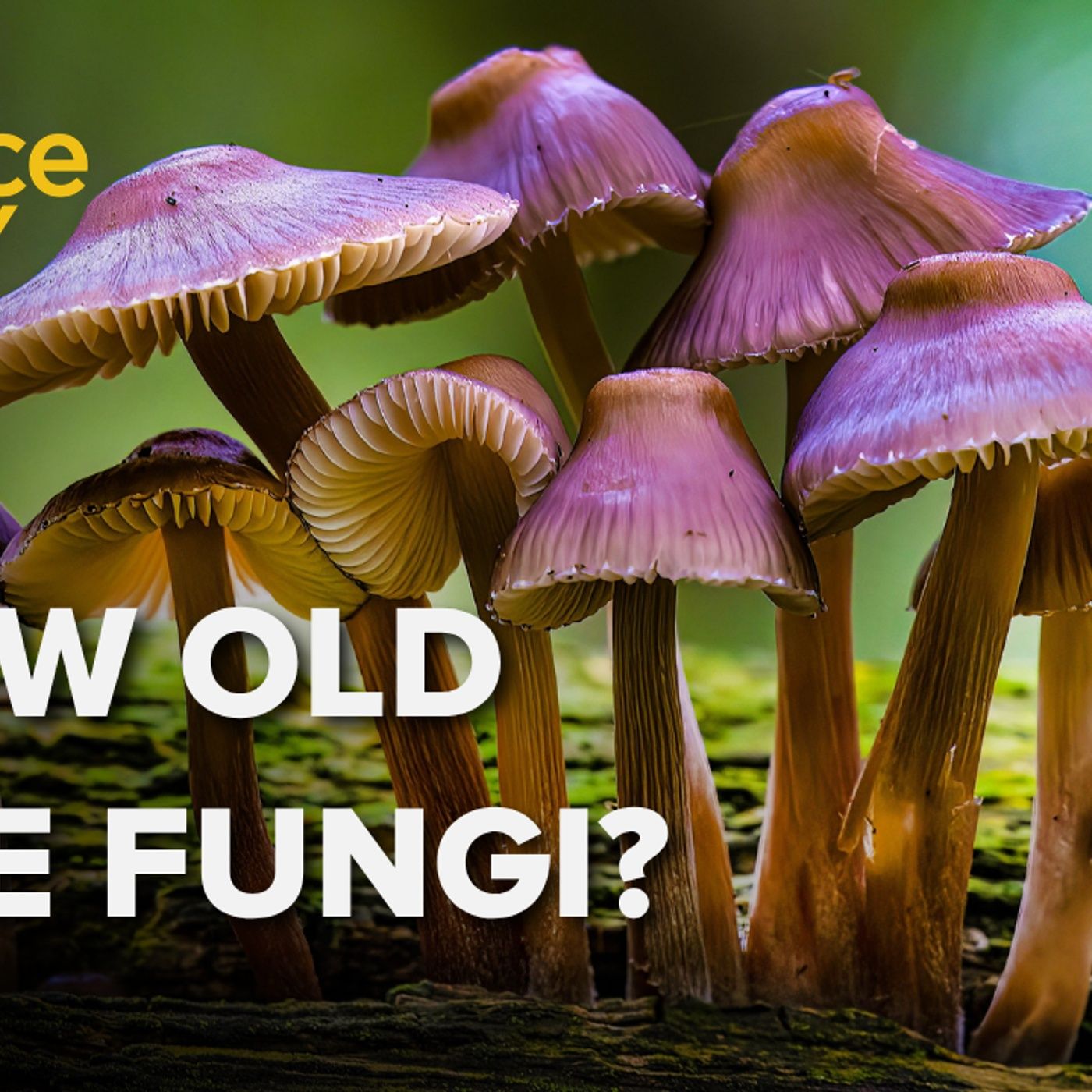 Science Friday
1384: Why it's so hard to tell the age of a fungus
When you see a mushroom popping up from the forest floor, that mushroom is just the tip of the fungal iceberg for a vast world beneath the surface. But the…
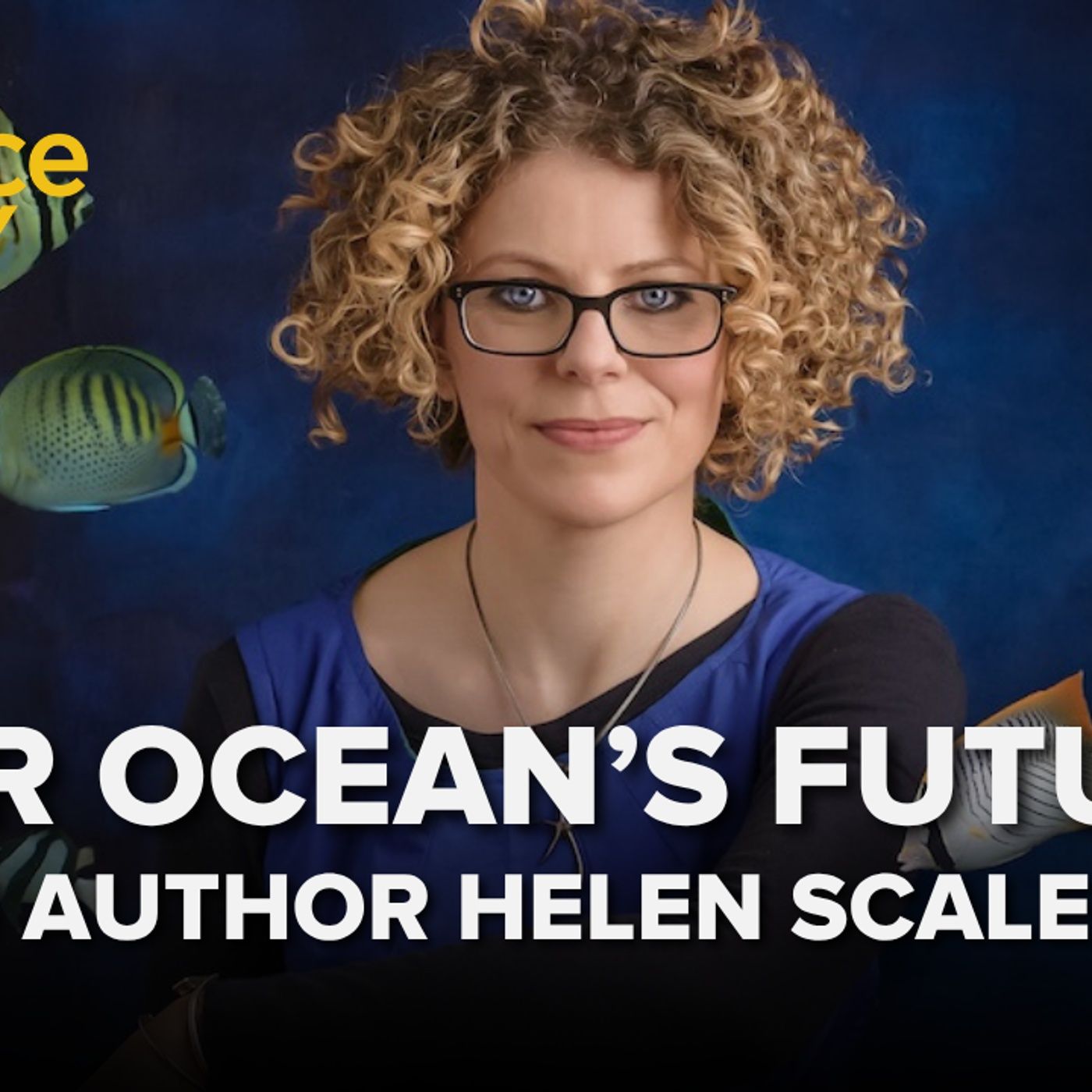 Science Friday
1383: The power of the stories we tell about the ocean
There’s been wave after wave of bad news about the ocean: warming temperatures, overfishing, acidification, coral bleaching. But in the last few years, there…
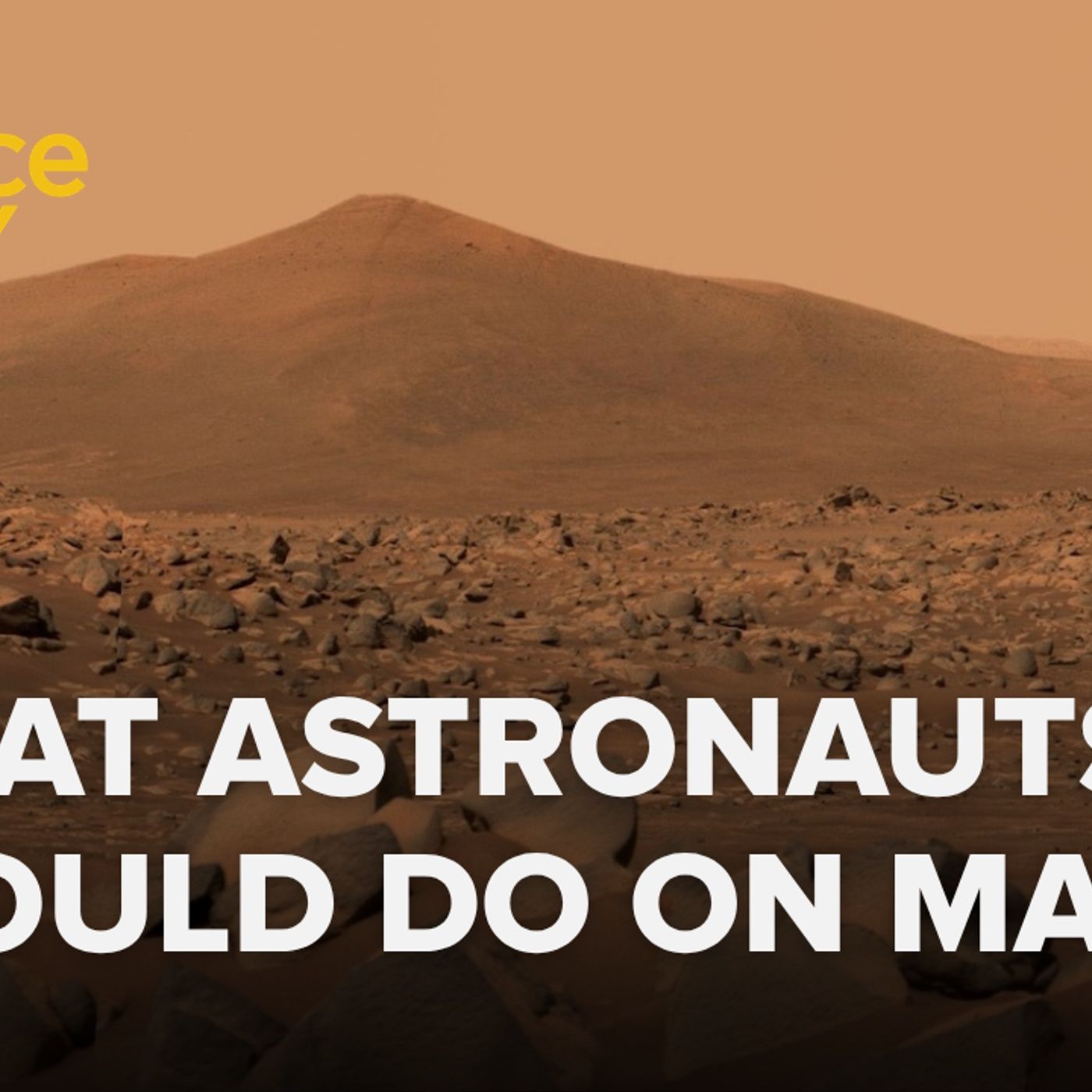 Science Friday
1382: What should astronauts do first when they reach Mars?
When humans finally land on Mars, what should they do? A report from the National Academies of Sciences, Engineering, and Medicine lays out the science…
 Science Friday
1381: AI is everywhere in healthcare now. Doctors are conflicted
AI is popping up in many corners of society, but how are doctors using it in their practice? We asked our physician listeners to call in, and many of you did…
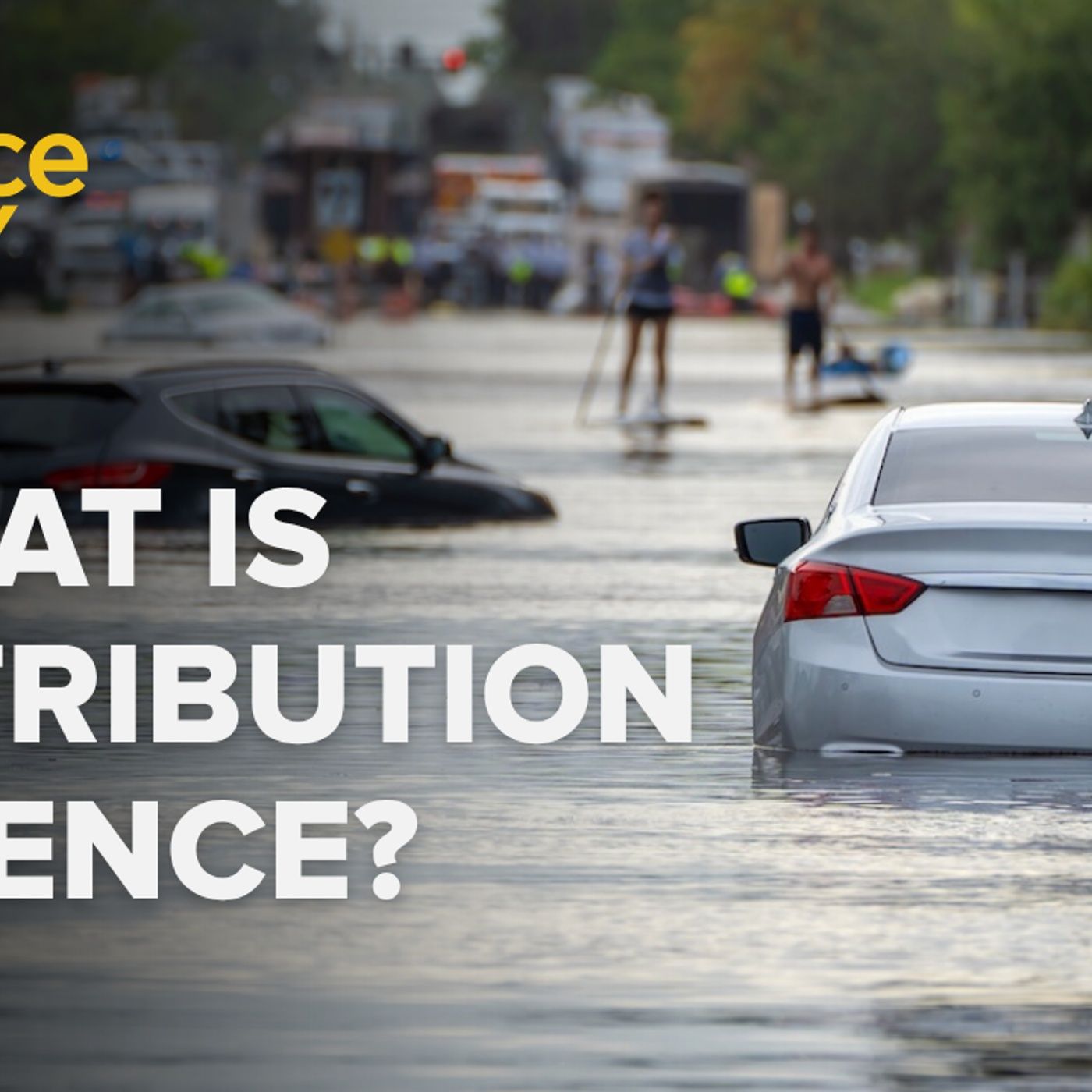 Science Friday
1380: How much worse was that storm because of climate change?
We’ve been hearing for years that climate change makes weather more extreme, and extreme weather more frequent. But what’s been more difficult to measure is…
 Science Friday
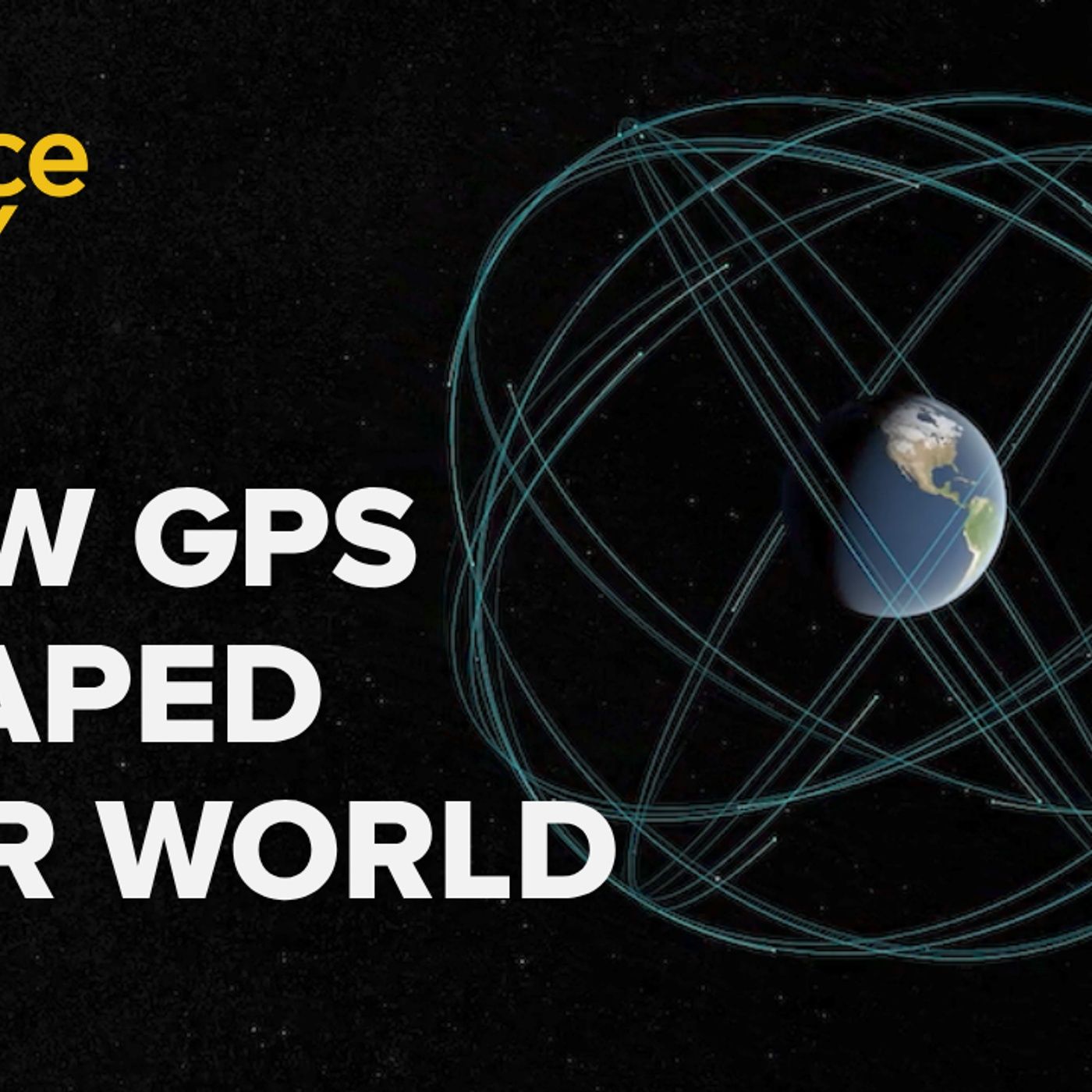
1379: How GPS shaped our world
GPS is such an essential part of our lives that it’s easy to forget there was once a world without it. But, like many tech advancements of the 20th century…
 Science Friday
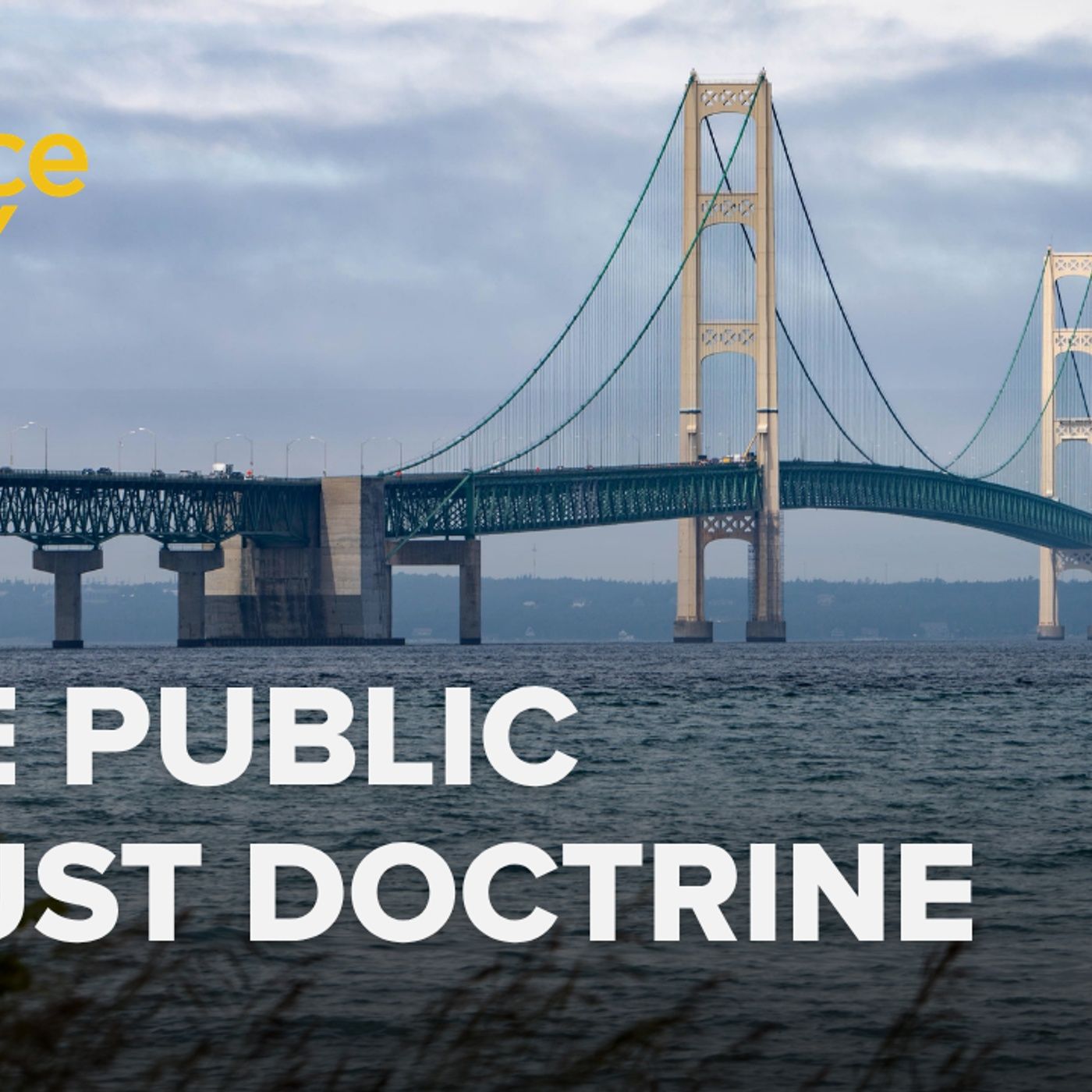
1378: The ancient Roman doctrine guiding modern environmental fights
A controversial pipeline project in Michigan has been stuck in legal limbo for years. But this month, the Michigan Supreme Court sided with environmentalists…
 Science Friday
1374: What are the mysterious ‘little red dots’ in images of space?
When the James Webb Space Telescope started sending back images in 2022, something mysterious appeared: little red dots, speckled across the sky. They didn’t…
 Science Friday
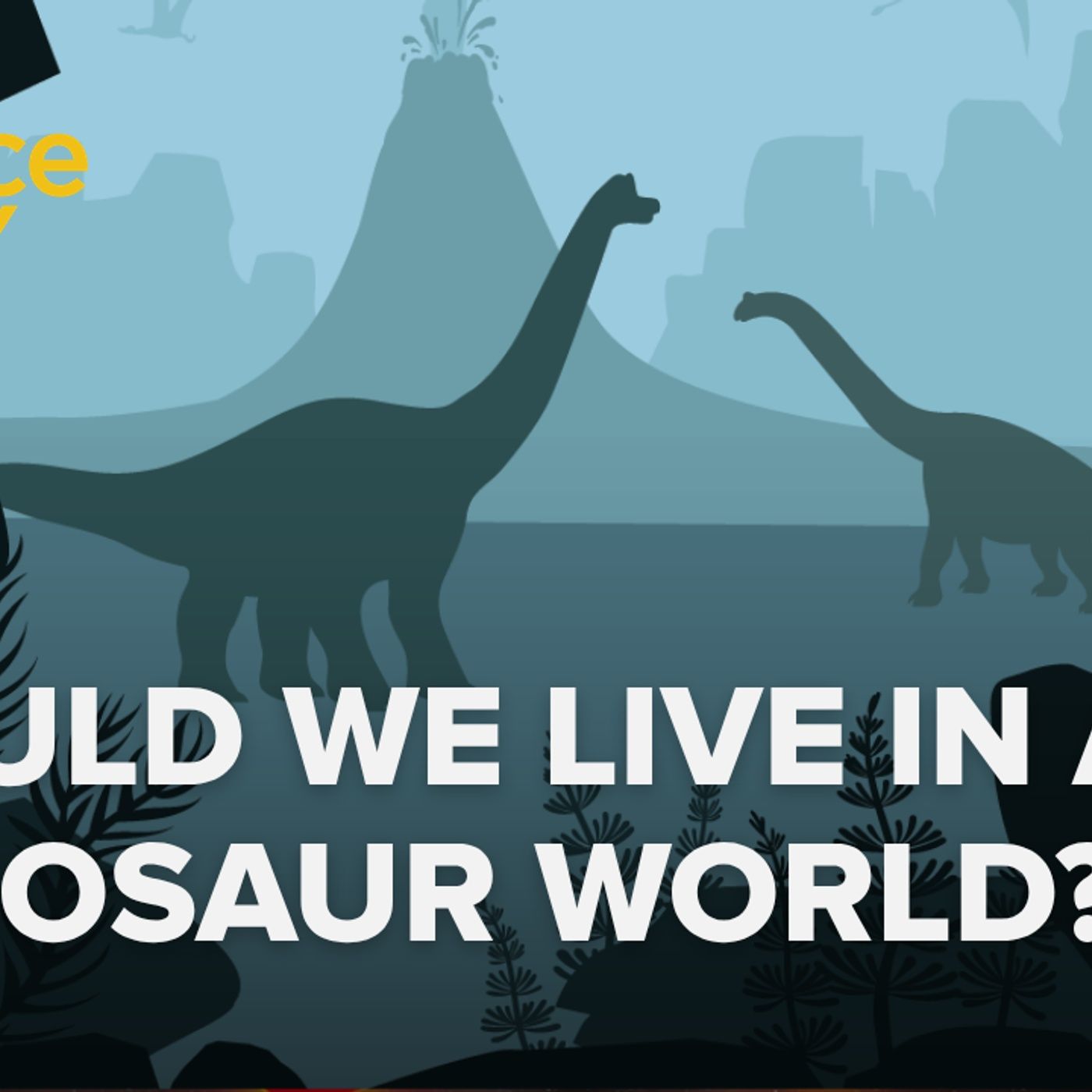
Could we live in a dinosaur world?
In the new movie “The End Of Oak Street,” bits of a suburban Michigan neighborhood get sucked back through time to a prehistoric world of dinosaurs. It made us…
 Science Friday
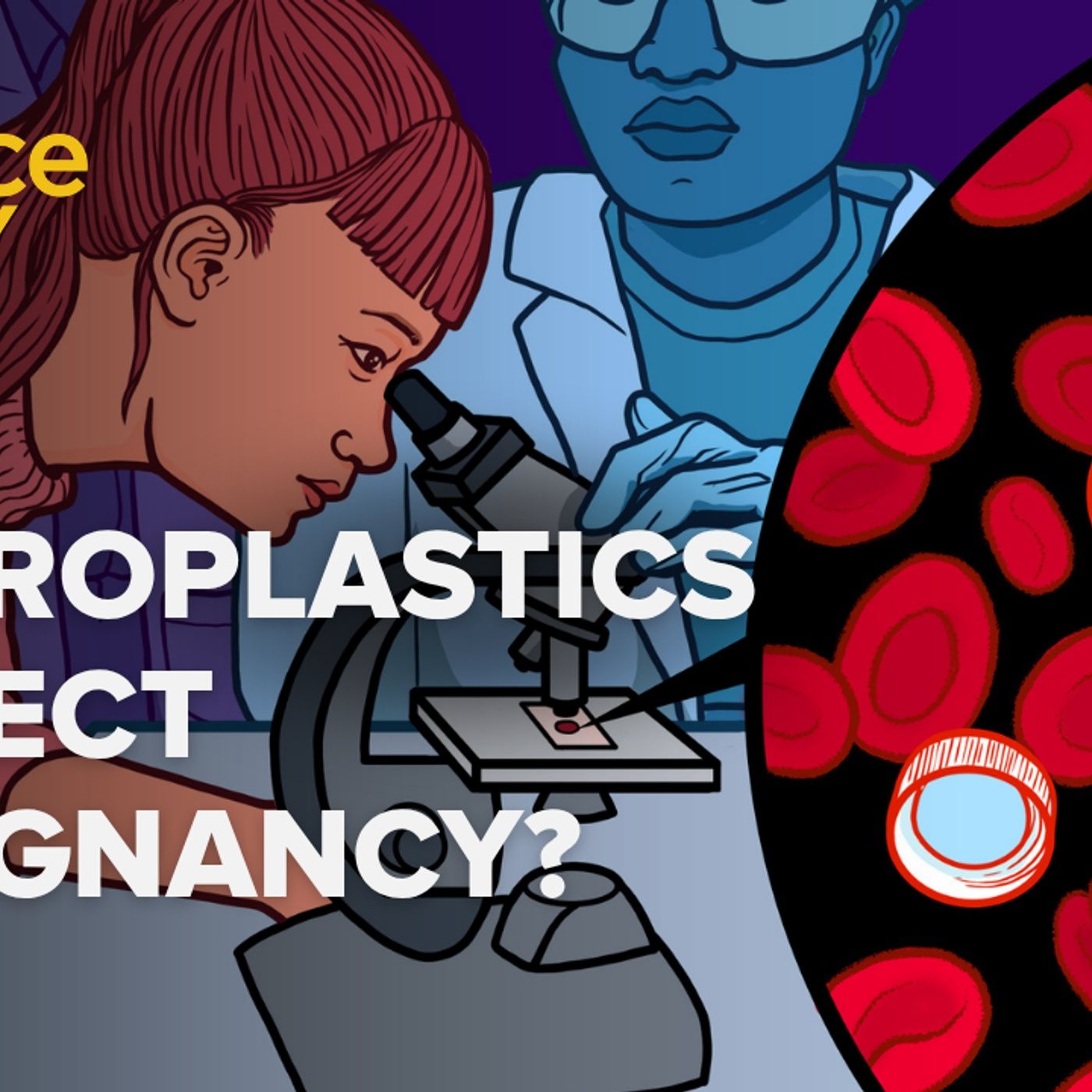
1373: Do microplastics in the body affect pregnancy?
Microplastics have been documented throughout the human body, including the reproductive system. But the field of microplastics research is very new, and it’s…
 Science Friday
1372: Making a case for physicists to join climate research
When you think of physics, your mind might go to forces—like gravity, friction, and magnetism—or to astrophysics, like galaxies and exoplanets. But many of the…
 Science Friday
1371: Creating 'world models' for robots + An AI math shakeup
When you ask an LLM like ChatGPT or Claude a question, the model goes through its massive amount of training data and guesses the answer by mathematically…
 Science Friday
1370: What can moments of lucidity teach us about Alzheimer’s?
Watching a loved one with Alzheimer's or dementia slowly lose their cognitive abilities can be heartbreaking. While the person you once knew seems to be…
 Science Friday
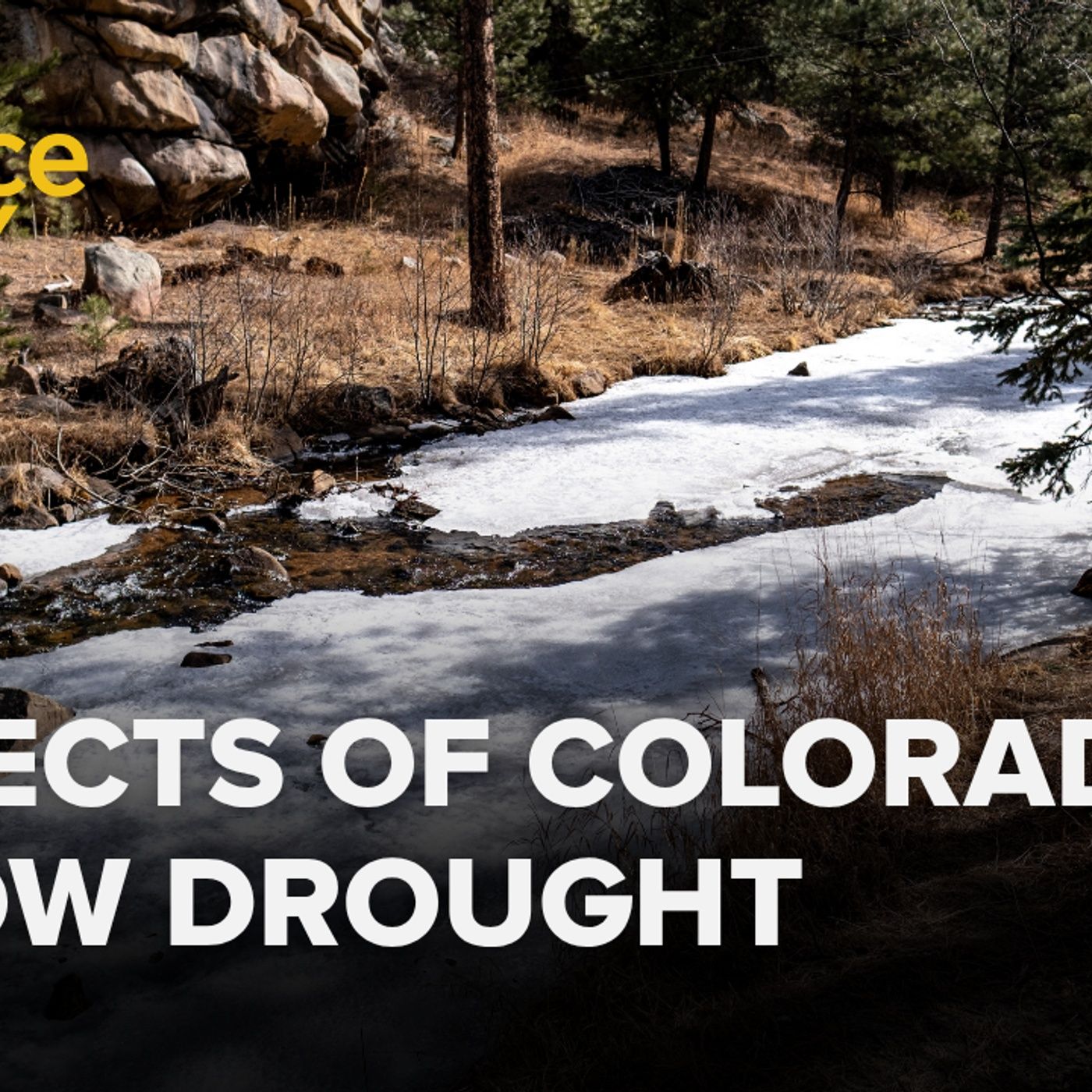
1369: Colorado’s snow drought deals a major blow to recreation
Winter in Colorado looked very different this year. Many parts of the state experienced record-high temperatures and record-low snowpack, which had downstream…
 Science Friday
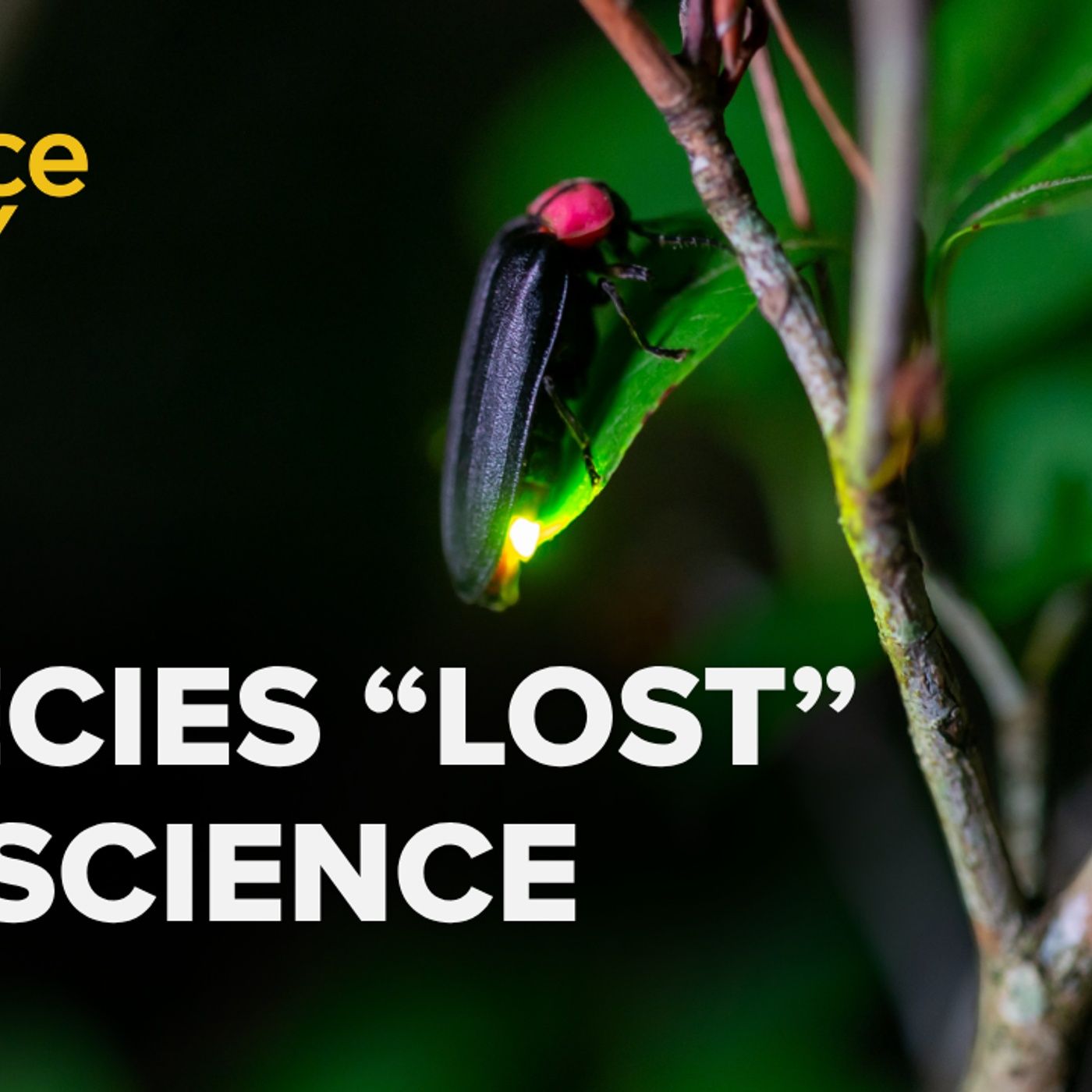
1368: How do you find a ‘lost’ species?
The earth is facing a biodiversity crisis, and there’s a lot of attention on species that are threatened, or at risk of dying out completely. But, there’s…
 Science Friday
1367: What we get wrong about vaccine hesitancy
Over 2,400 people have contracted measles in the United States so far this year, topping the total number of cases for 2025 in just seven months. At the same…
 Science Friday
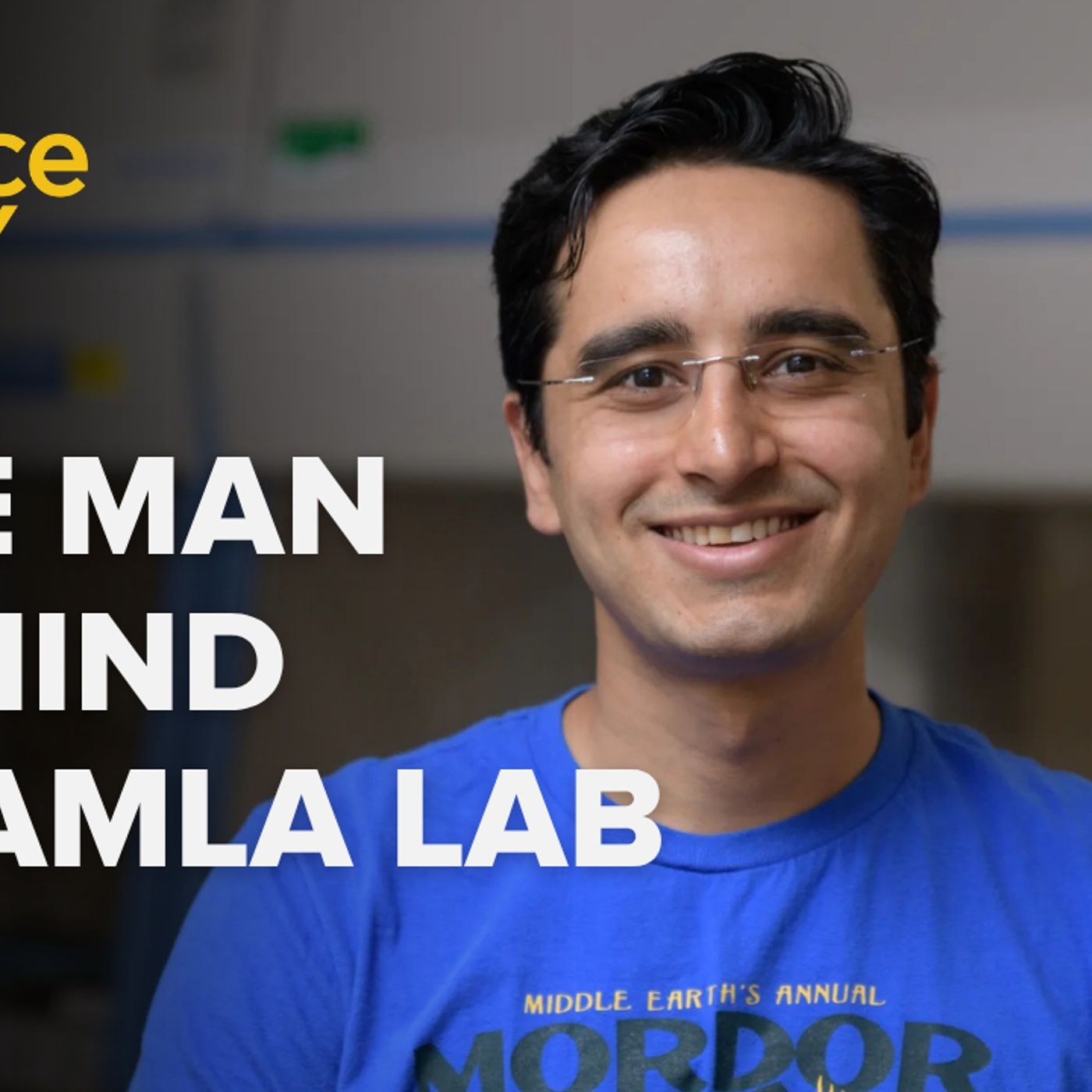
1366: Why this lab studies the speed of bug pee and other curiosities
In a lab in the Rocky Mountains, a group of scientists is hard at work trying to find answers across biology, physics, and engineering: They’re looking into…
 Science Friday
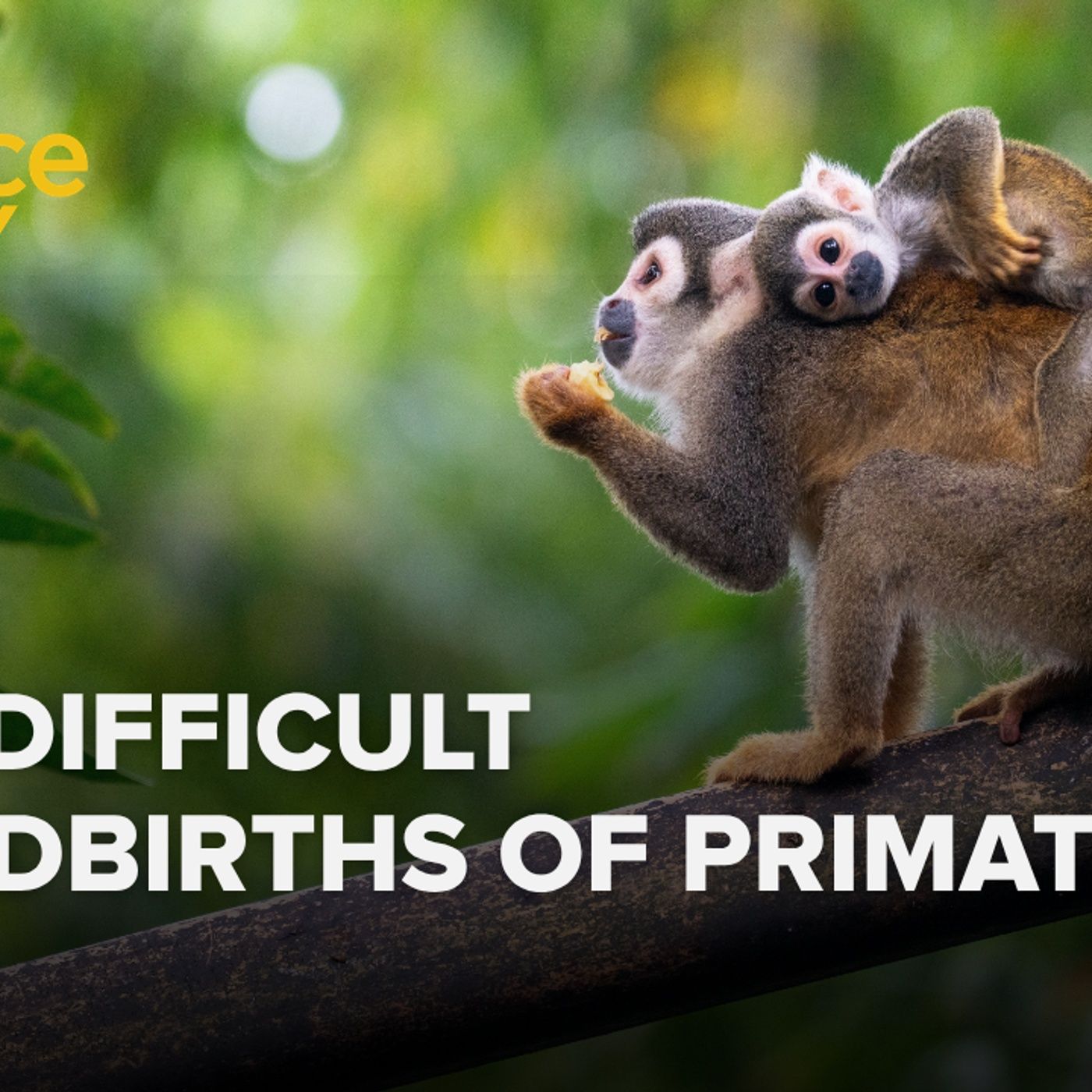
1365: Some primates undergo even more extreme childbirth than humans
Human childbirth is often difficult and incredibly painful—just ask anyone who’s been through it. And for a long time, childbirth seemed to be uniquely…
 Science Friday
Deb Haaland is a politician, and proud of it
Former Interior Secretary Deb Haaland, a member of the Laguna Pueblo tribe, was the first Native person to hold a cabinet position. Now she’s running to be…
 Science Friday
1363: Sitting all day is terrible for us. Moving a little can help
Keeping your butt in a seat for hours a day increases the risk of heart attacks, diabetes, psychiatric conditions, and more. But in our tech-filled world, many…
 Science Friday
1362: A Nagasaki survivor and physician recounts his life's work
Dr. Masao Tomonaga was only 2 years old when the United States bombed his home city of Nagasaki. He survived, and grew up to become a physician for other…
 Science Friday
1361: What do people eat? Plant and animal DNA in sewage provide clues
Imagine you wanted to get a general idea of what people are eating in a given community. You could look at grocery store sales, or do surveys, but neither can…
 Science Friday
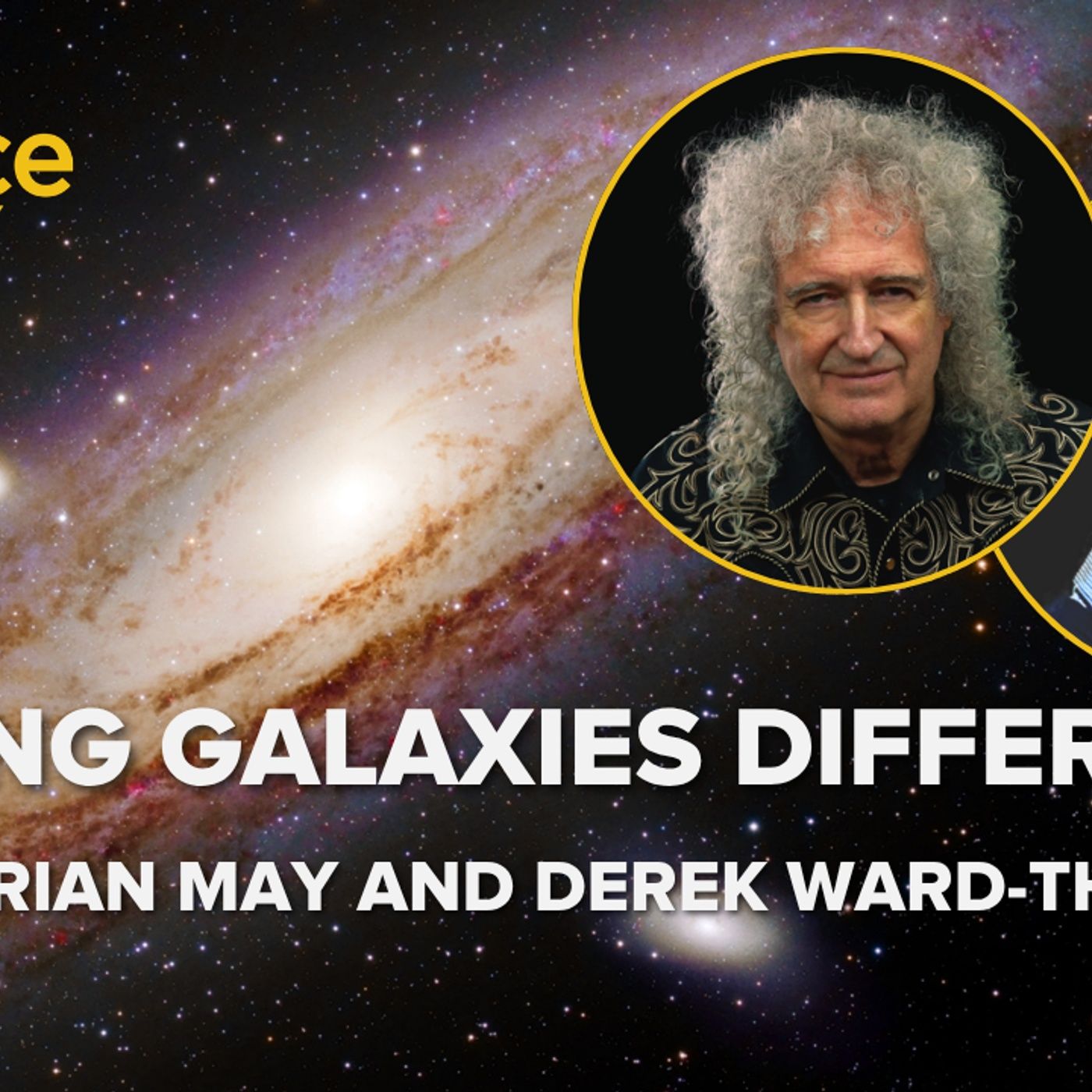
1360: 3D images of galaxies will rock you (ft. Queen)
"Is this the real life? Is this just fantasy? Caught in a landslide, no escape from reality. Open your eyes, look up to the skies and see."There’s something…
 Science Friday
1359: The evolution of an enzyme engineer who changed chemistry
In nature, enzymes are the catalysts that make much of biology work. They jumpstart chemical reactions that either wouldn’t happen, or would happen super…
 Science Friday
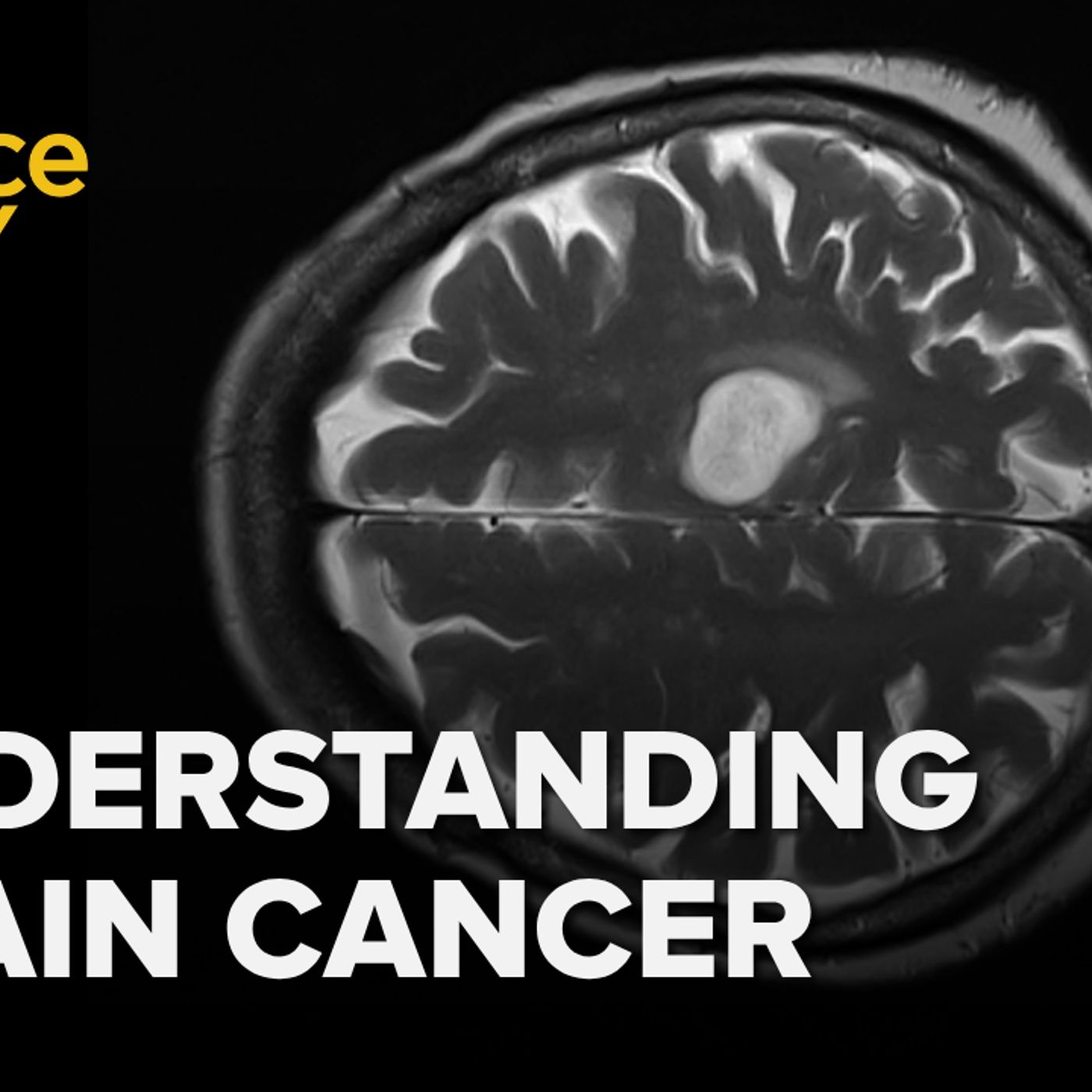
1358: Why is brain cancer so hard to treat?
Brain cancers are rare, but devastating. Patients face short life expectancies after diagnosis. Brain tumors are often impossible to remove completely. And…
 Science Friday
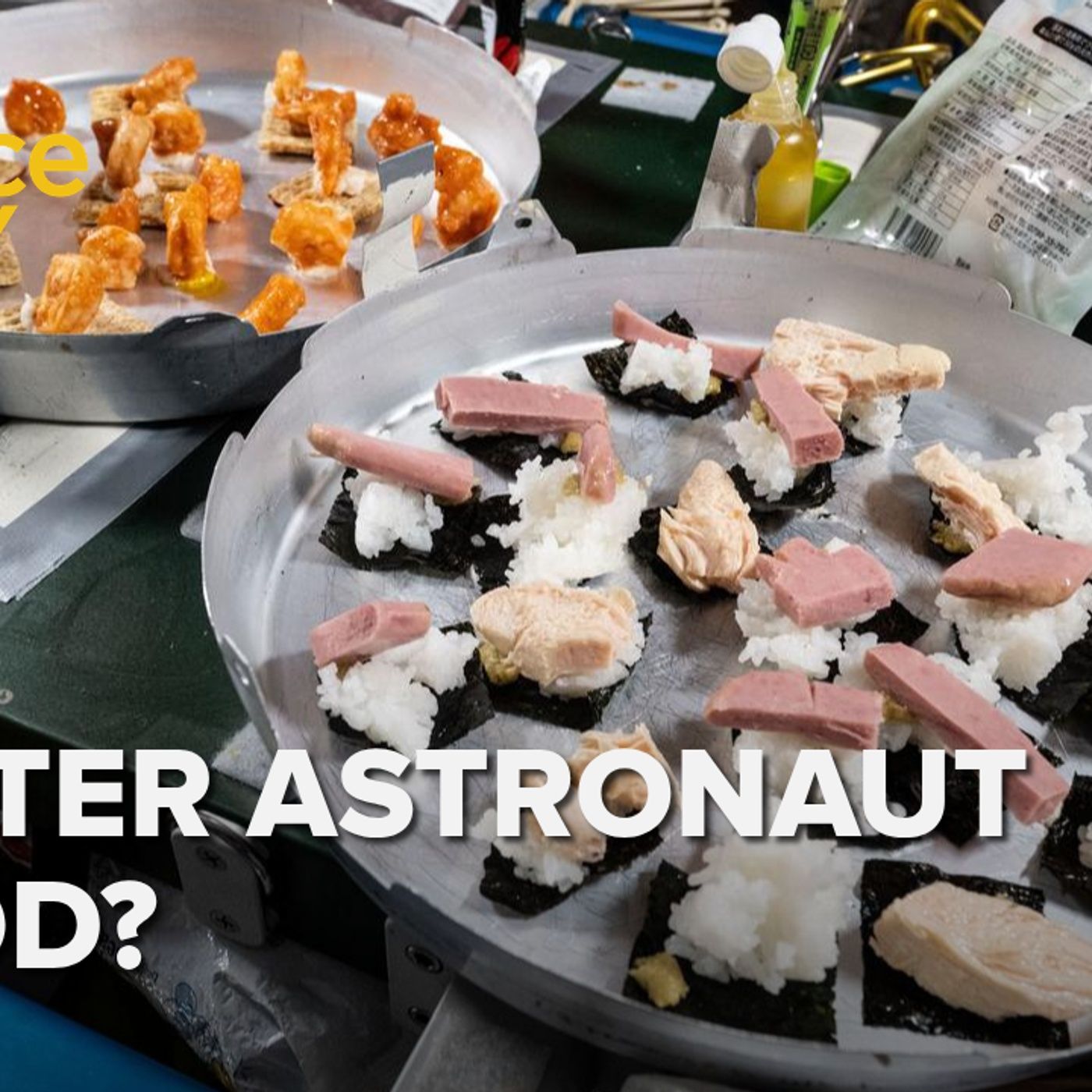
1357: How can astronaut food be better?
Astronaut food is not known as a frontier of culinary imagination, unless you count rehydrated shrimp cocktail. As NASA prepares for longer trips to the moon…
 Science Friday
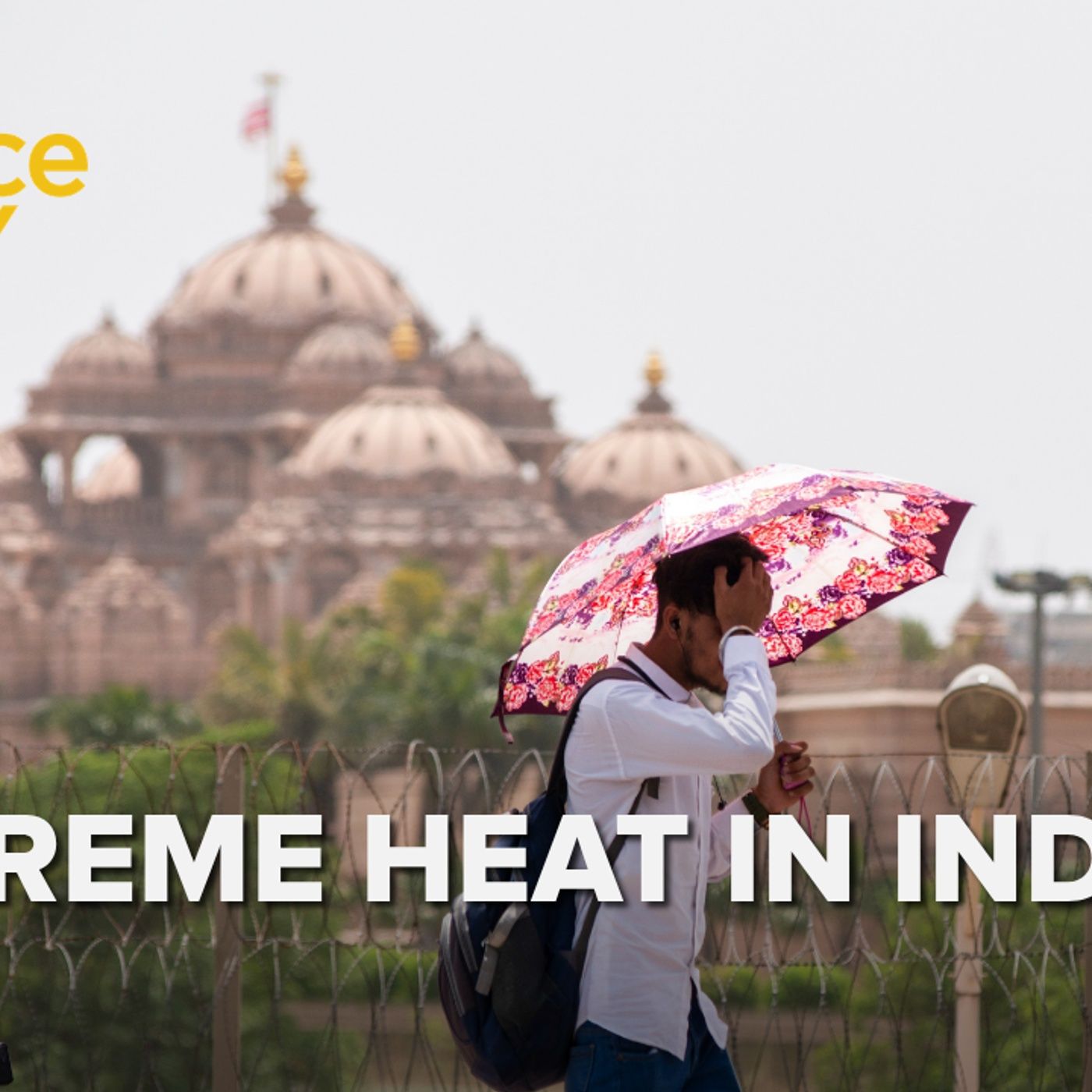
1356: The reality of living with extreme heat in India
At one point this year, the 50 hottest cities on the planet were all in one country: India. The average peak temperature in those cities was 112 F. India is…
 Science Friday
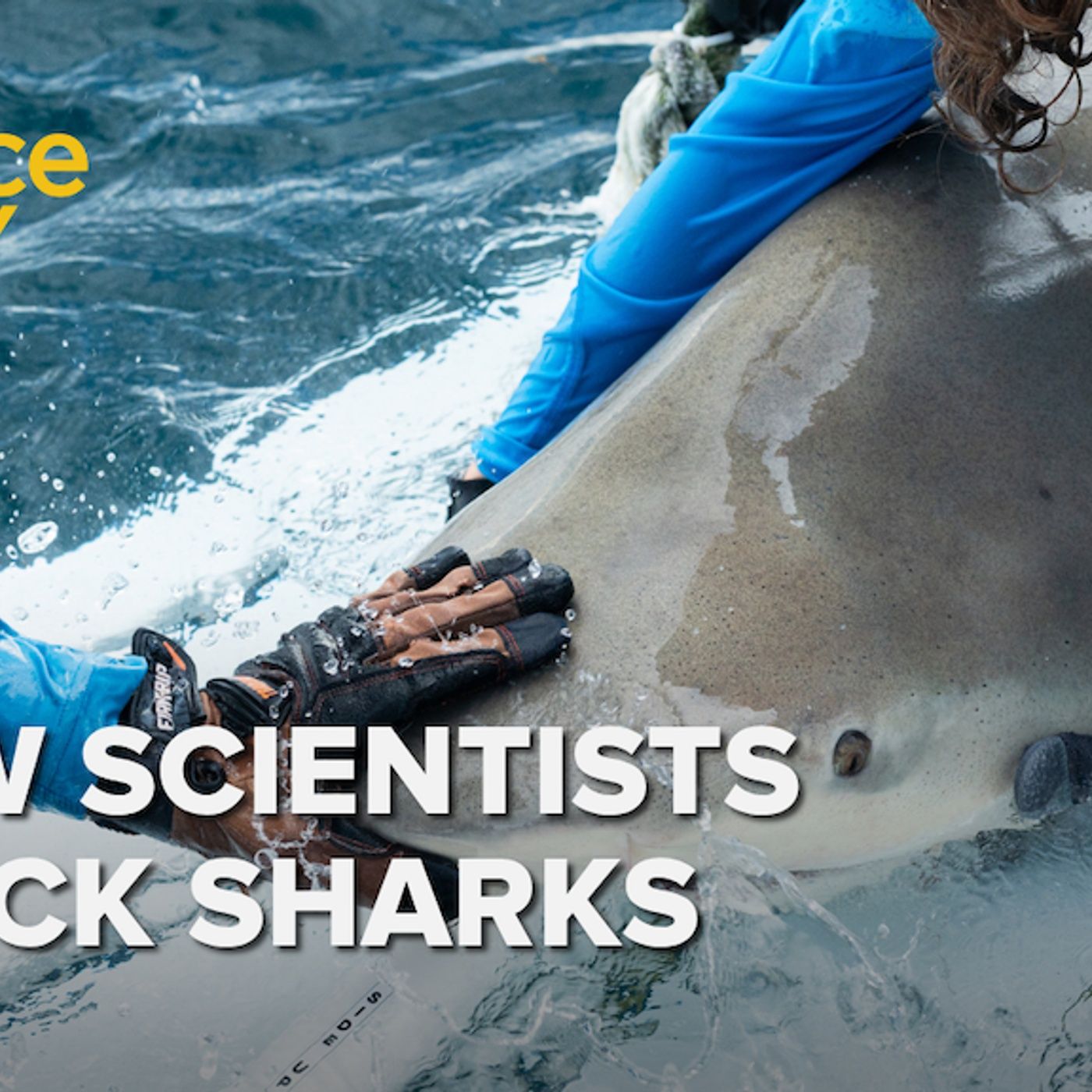
1355: Tracking shark populations, one shark at a time
About 130 days a year, a research vessel leaves Miami and sets out to catch, measure, sample, tag, and release sharks in Florida’s coastal waters. Over the…