Shows / Science Friday

Science Friday
Science Friday, as heard on PRI, is a weekly discussion of the latest news in science, technology, health, and the environment hosted by Ira Flatow. Ira interviews scientists, authors, and policymakers, and listeners can call in and ask questions as well.
Episodes
 Science Friday
1354: The Black women codebreakers of the Cold War
During the early Cold War era, the United States Army and later the NSA began recruiting and training codebreakers and intelligence officers to decipher…
 Science Friday
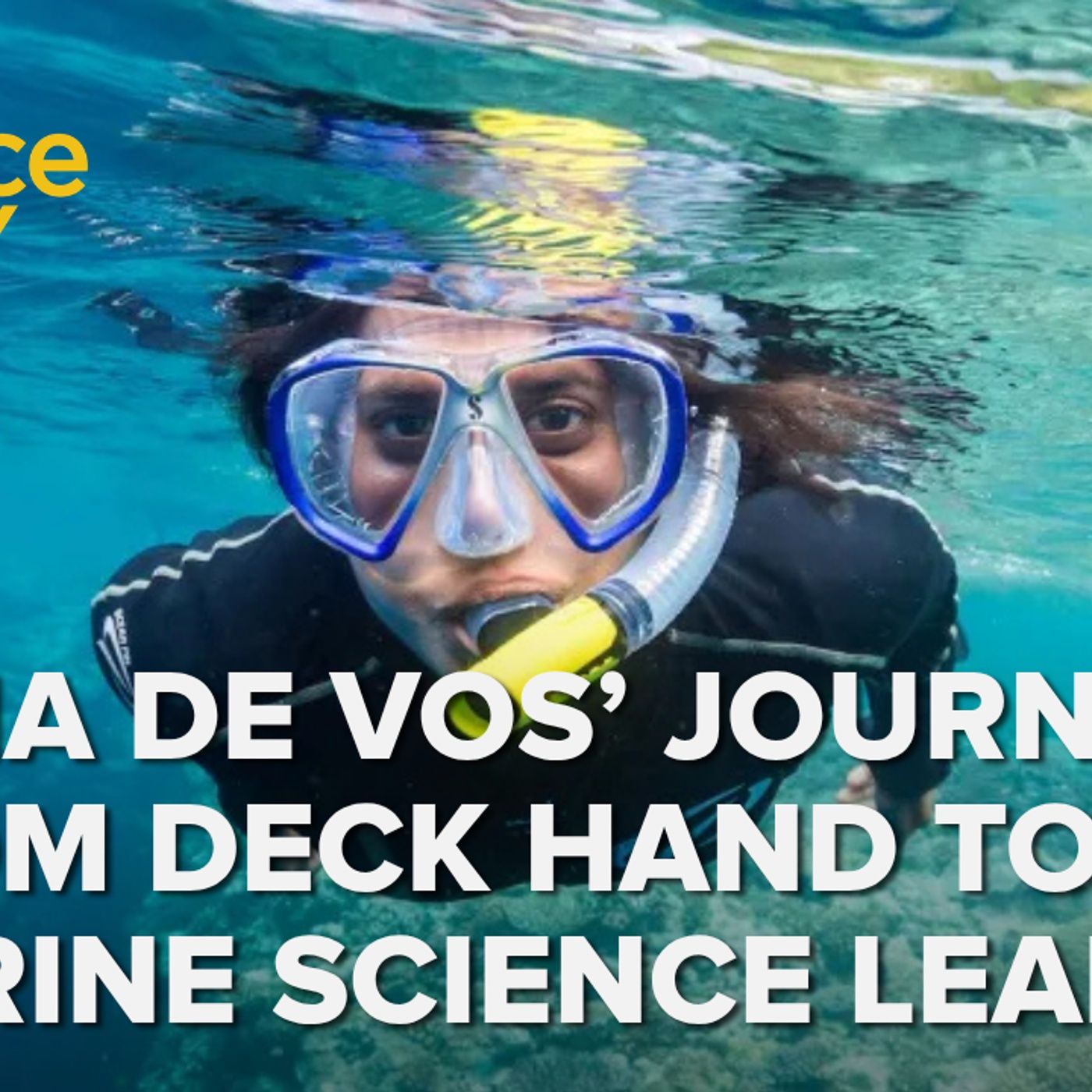
1353: Asha de Vos’ journey from deck hand to marine science leader
The tropical waters of Sri Lanka, an island off the coast of India, are home to a population of blue whales unlike any other. These whales stay put, while…
 Science Friday
1352: Why worry about my data If I have nothing to hide?
In the last couple months, Vermont, Alabama, and Oklahoma have passed data privacy laws. Massachusetts is negotiating its own version. Meanwhile, congressional…
 Science Friday
1351: Peering through dust clouds to the center of the galaxy
In 2020, Andrea Ghez shared the Nobel Prize for her observations of a supermassive compact object at the center of the Milky Way galaxy—an object that has all…
 Science Friday
1350: Why a paper about relocating coastal communities hit a nerve
Back in May, a paper published in Nature Sustainability reignited a decades-old debate about coastal Louisiana: Should people leave? Climate researchers wrote…
 Science Friday
1349: How do you piece together what life was like in Pompeii?
Pompeii is known for its disastrous end with the eruption of Mount Vesuvius, but for archeologists, what came before is just as interesting. Researchers are…
 Science Friday
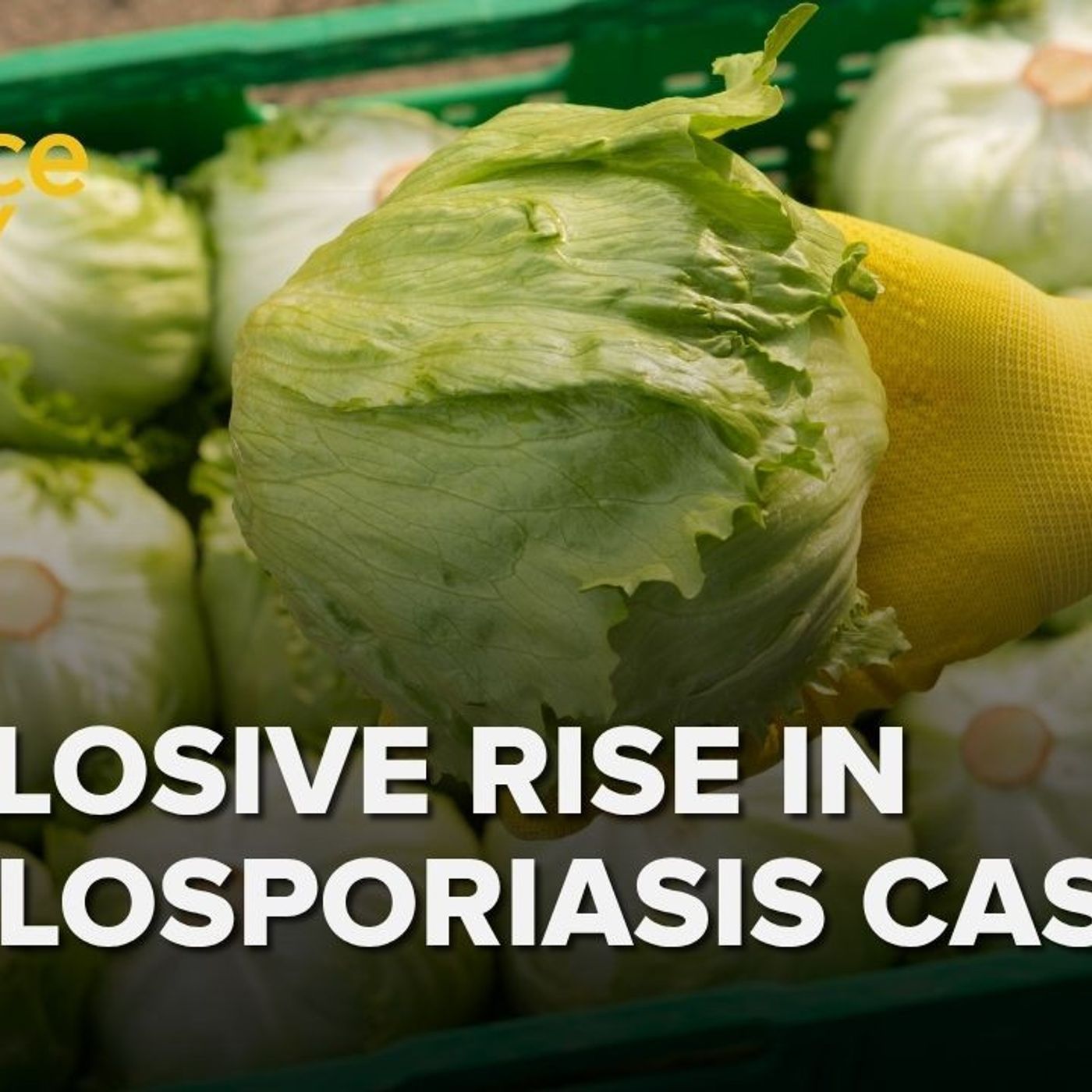
1348: Hold the lettuce: Updates on the 'explosive' cyclospora outbreak
An outbreak of the foodborne illness cyclosporiasis has sent thousands of people running to the bathroom this summer. Health officials have linked the outbreak…
 Science Friday
1347: A space telescope launch + Alvin submersible check-up
The Nancy Grace Roman Space Telescope is scheduled for an early launch at the end of August. It will rest about a million miles from Earth at Lagrange point 2…
 Science Friday
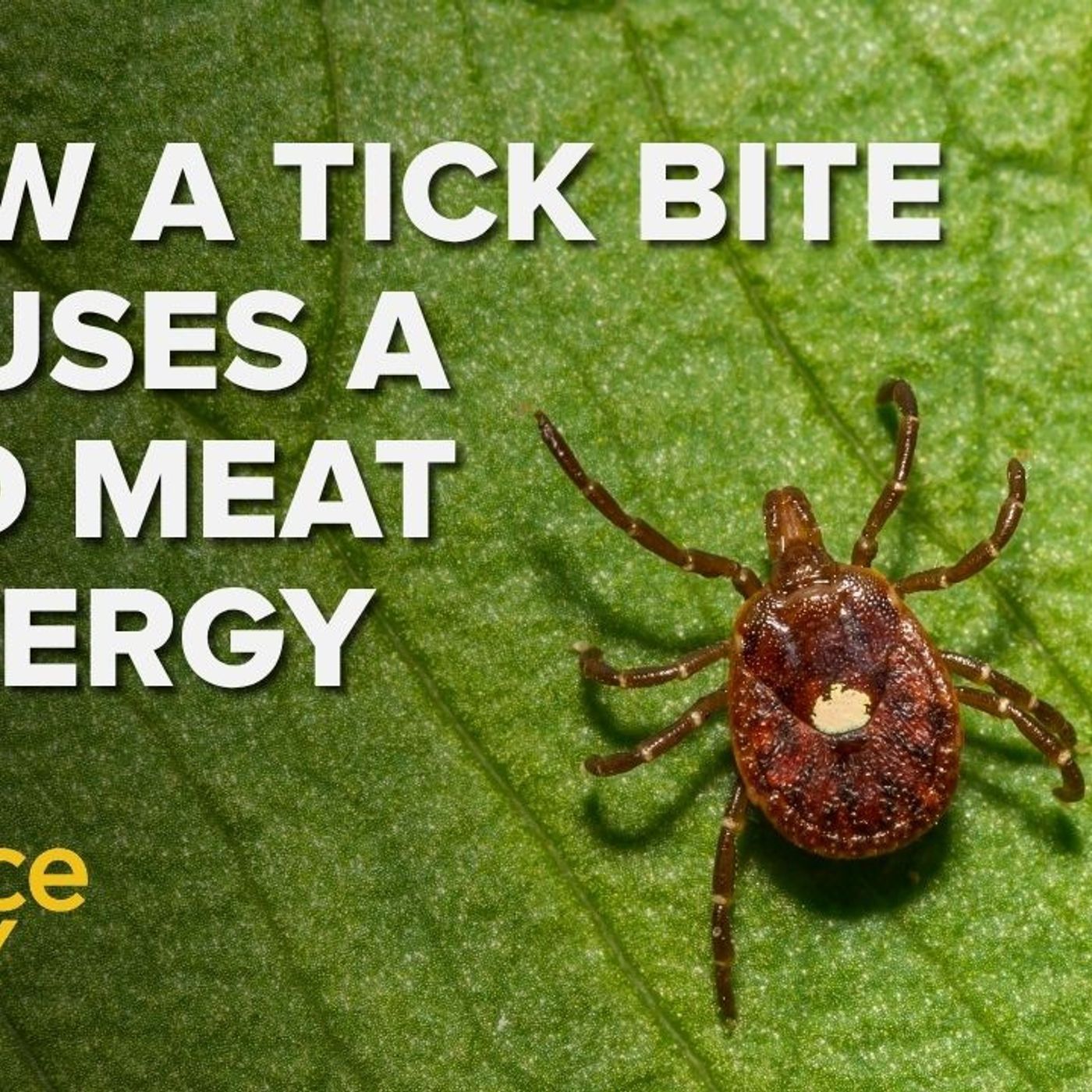
1346: How does a tick bite cause a red meat allergy?
For two decades, a perplexing illness has been spreading: After a lone-star tick bite, people find themselves with a severe allergic reaction to red meat. The…
 Science Friday
1345: What will our reaction be when we discover aliens?
One of the most irresistible questions in sci-fi stories about aliens is what our reaction will be when we learn of their existence. Horror? Bewilderment?…
 Science Friday
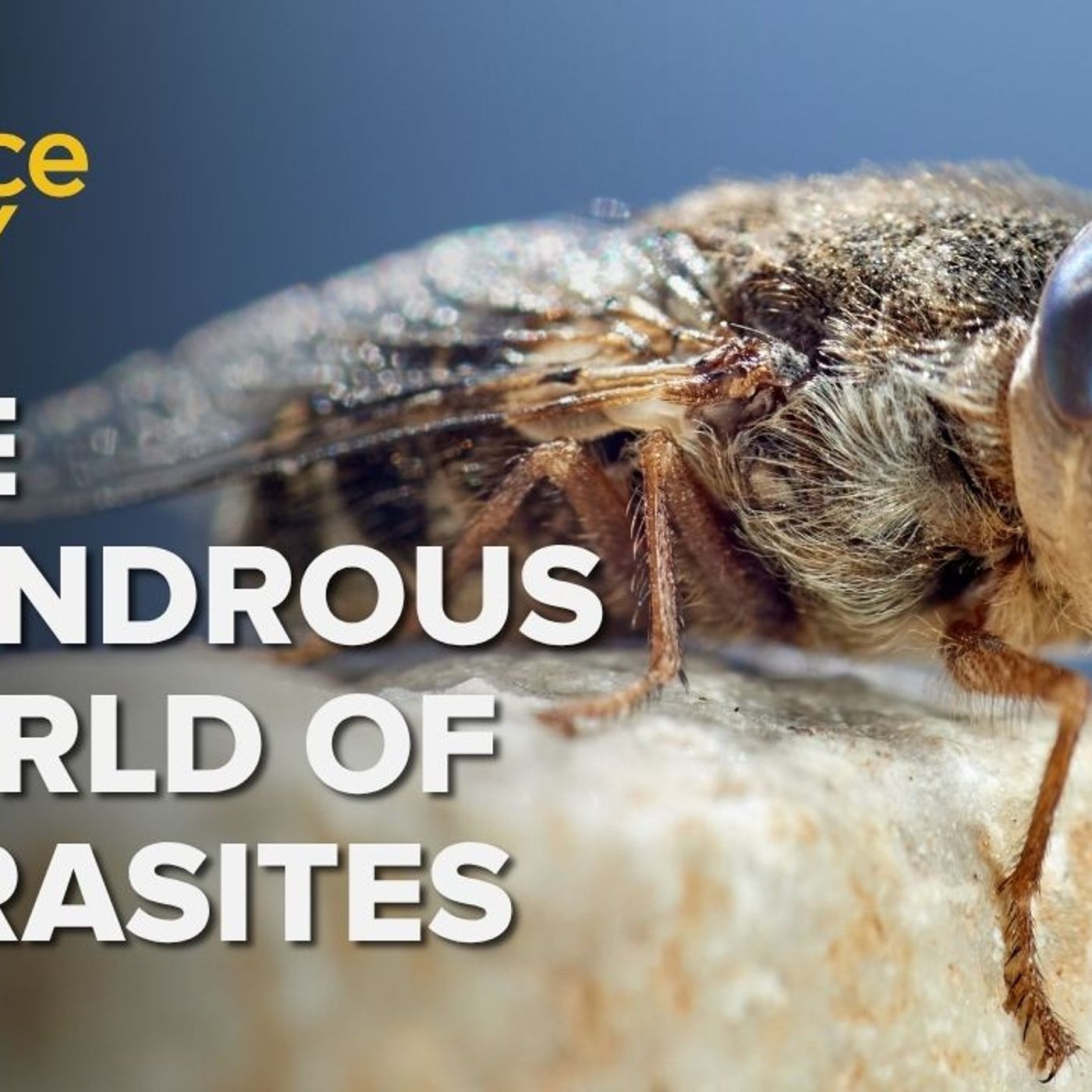
1344: Beautiful botflies, luscious leeches, and the wonder of parasites
Dino Martins has plucked maggots out of a dead elephant, pulled botflies out of camel snot, and willingly let a horsefly feast on him. Why? Because he’s…
 Science Friday
1343: China's booming biotech, from a brain implant to drug discovery
In March, China became the first country to approve an invasive brain-computer interface beyond clinical trials. The implant, called NEO, is now available to…
 Science Friday
1342: Reconnecting with the night sky and reining in light pollution
What happens when the skies are no longer dark at night? Writer Craig Childs biked from the brightest night sky, to the darkest, to find out what we lose when…
 Science Friday
1341: Amid shifting politics, can we build stable global health systems?
The ongoing Ebola outbreak in the Democratic Republic of Congo and Uganda has become the third-largest on record. And while the regional response is more…
 Science Friday
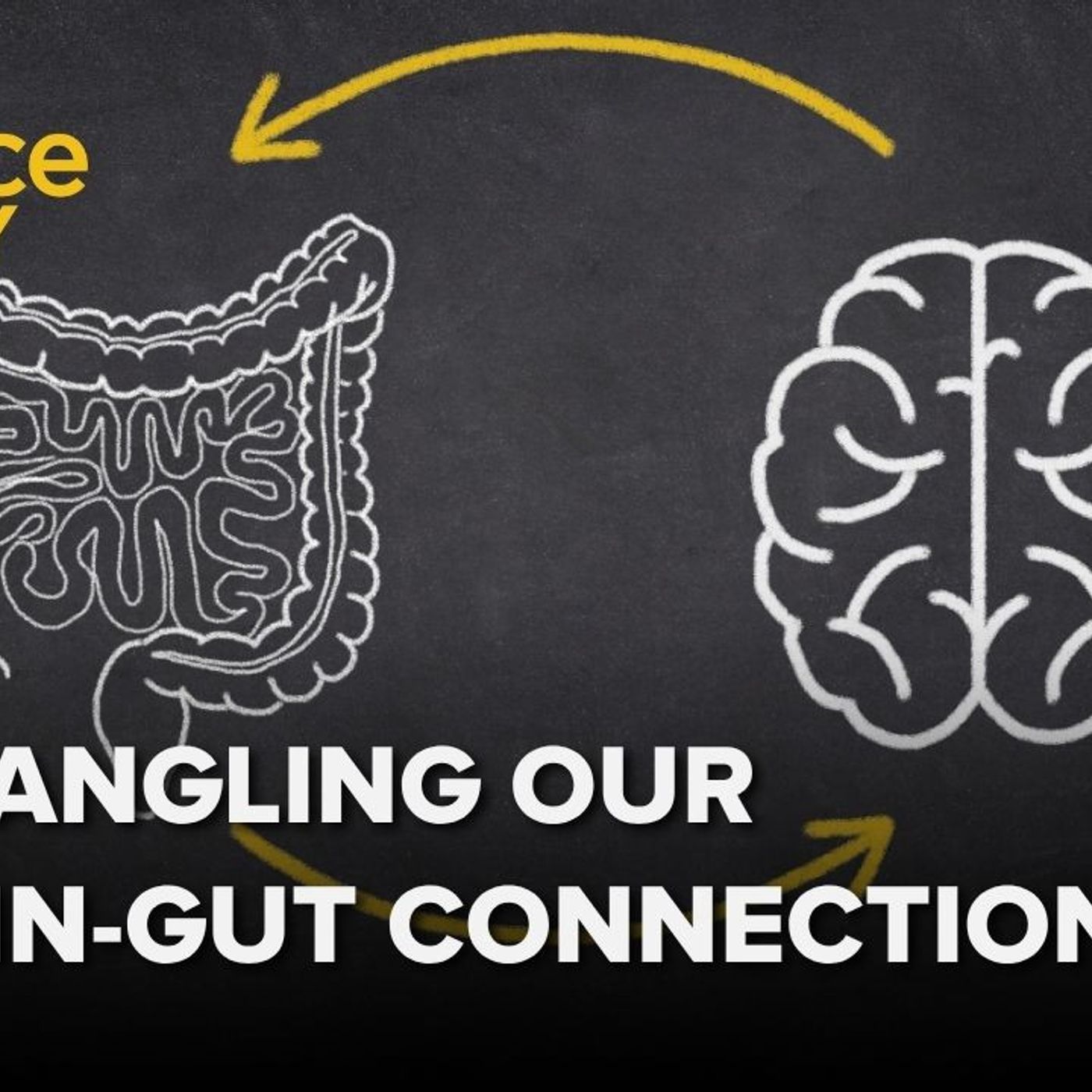
1340: How does the gut-brain connection work?
Gut feelings, trusting your gut, butterflies: We have lots of expressions about how our brains and our bowels are intertwined. But how well do we understand…
 Science Friday
1339: Investigating ‘flow state’ with the bassist from Phish
The band Phish has toured for over 40 years. One of the draws of their legendary live shows—which can go on for 8 hours—is finding moments of “flow,” when the…
 Science Friday
1338: How the US patent system keeps drug prices high
Americans pay roughly three times as much for prescription meds as people in other wealthy nations. But why?Tahir Amin argues it’s largely to do with how our…
 Science Friday
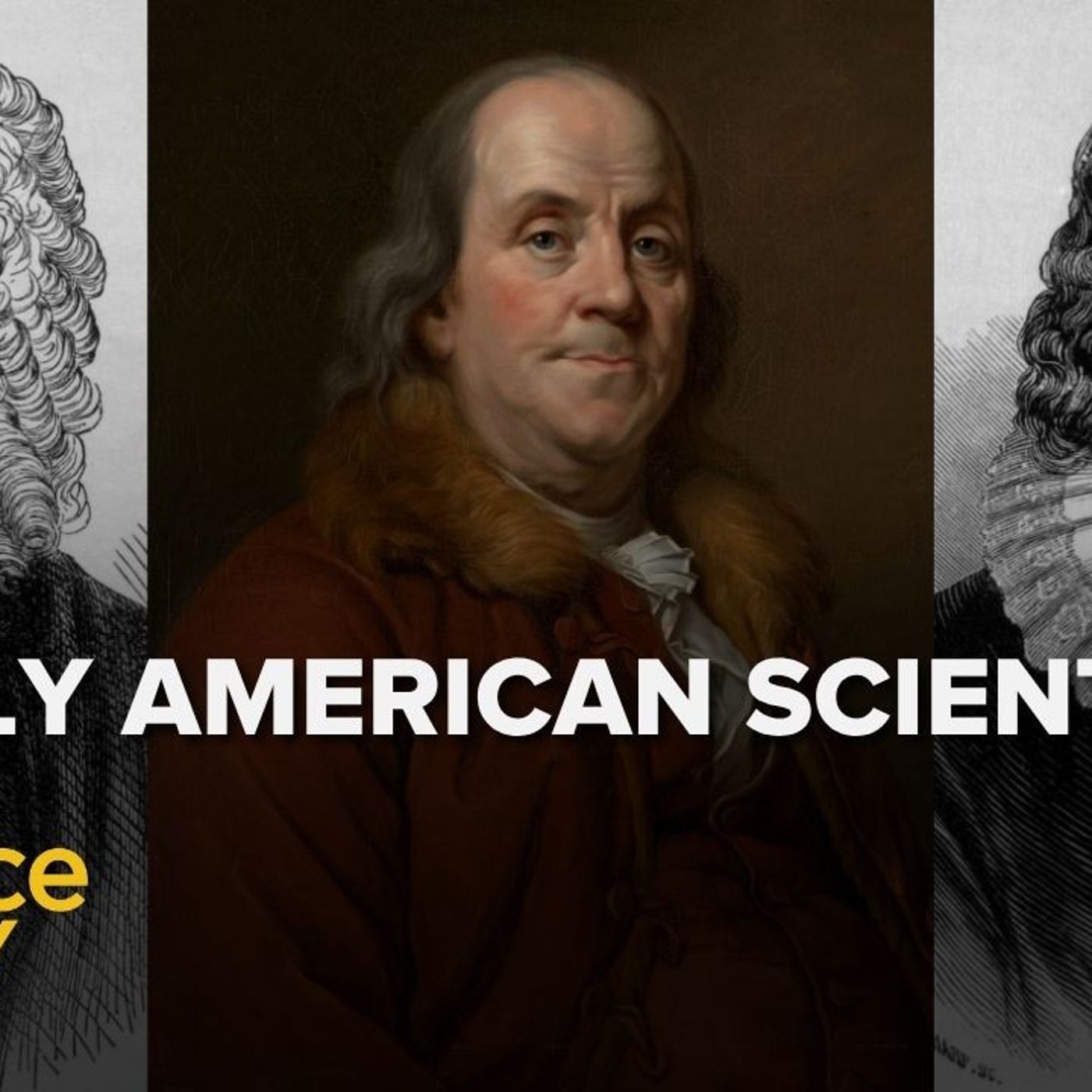
1337: What was science like in America 250 years ago?
If you hear “colonial America” and “science,” one name probably comes to mind: Benjamin Franklin. But he wasn’t the only one thinking big thoughts and asking…
 Science Friday
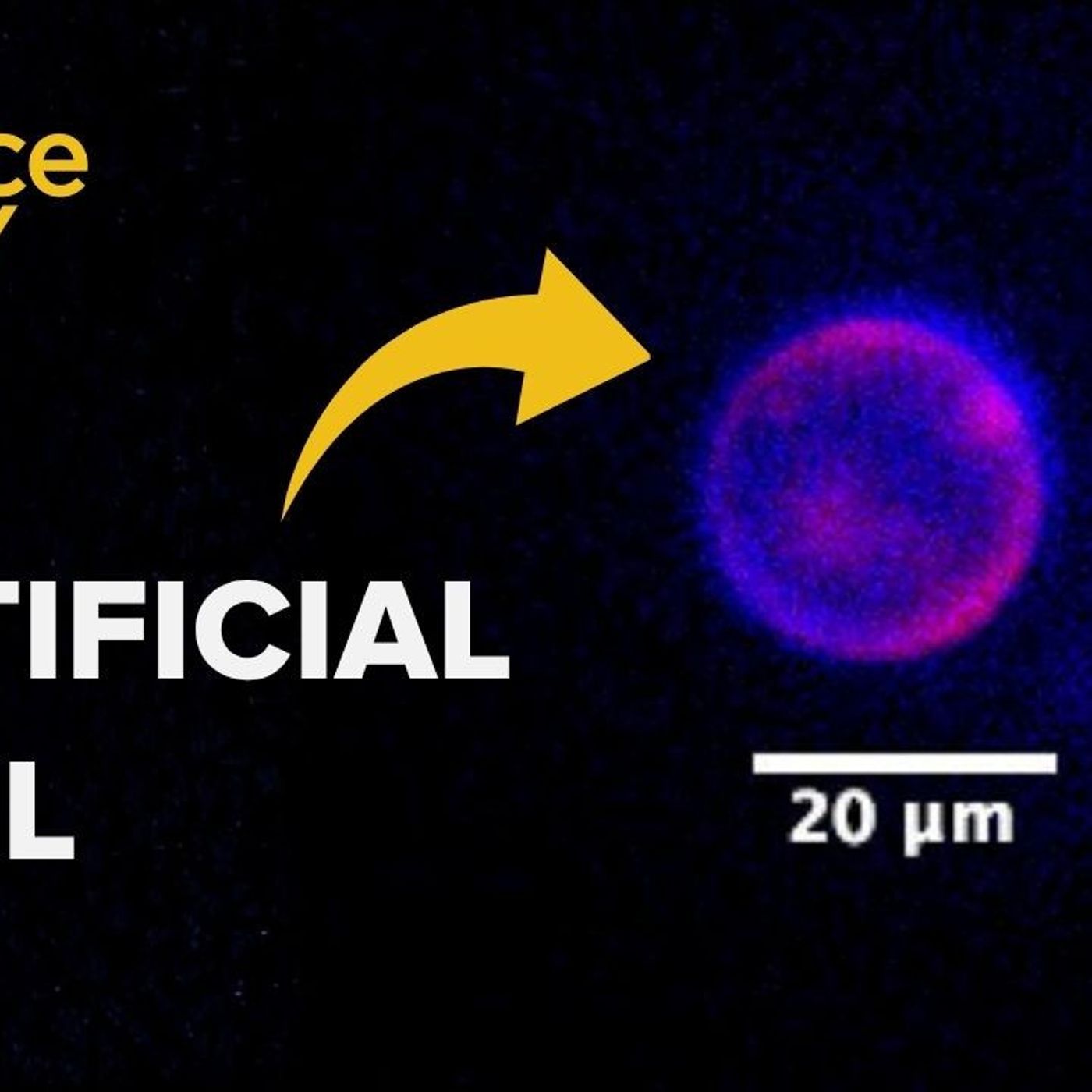
1336: An artificial cell eats, grows, and reproduces. Is it alive?
Researchers have engineered an artificial cell out of chemicals and biomolecules that, at a basic level, can eat, grow, duplicate its own genetic code, and…
 Science Friday
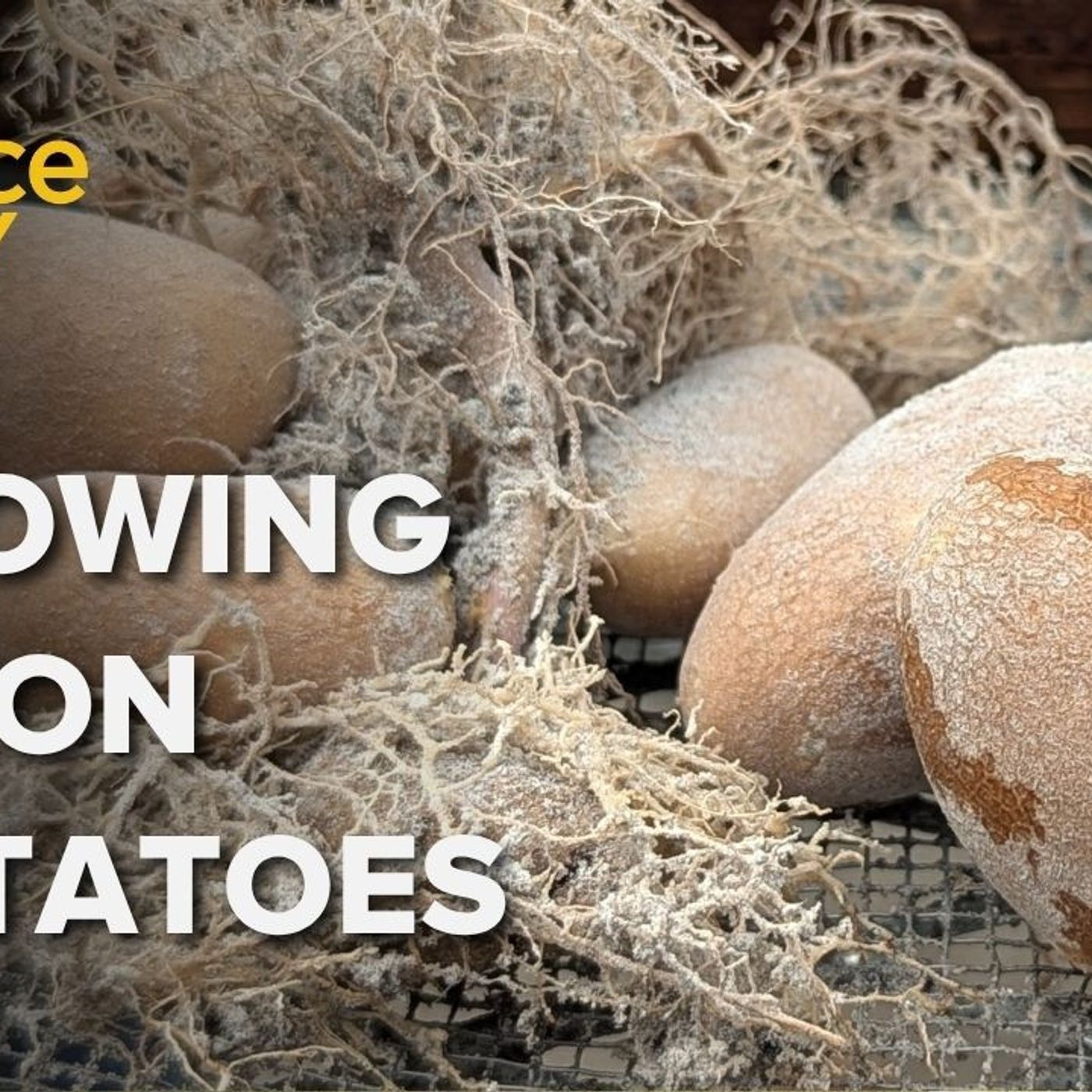
1335: Growing lunar potatoes + Dealing with razor-sharp moon dust
Imagine this: You’re an astronaut, you’ve landed on the moon, and as you’re taking one small step for mankind, you kick up a bunch of lunar dirt. Now, tiny…
 Science Friday
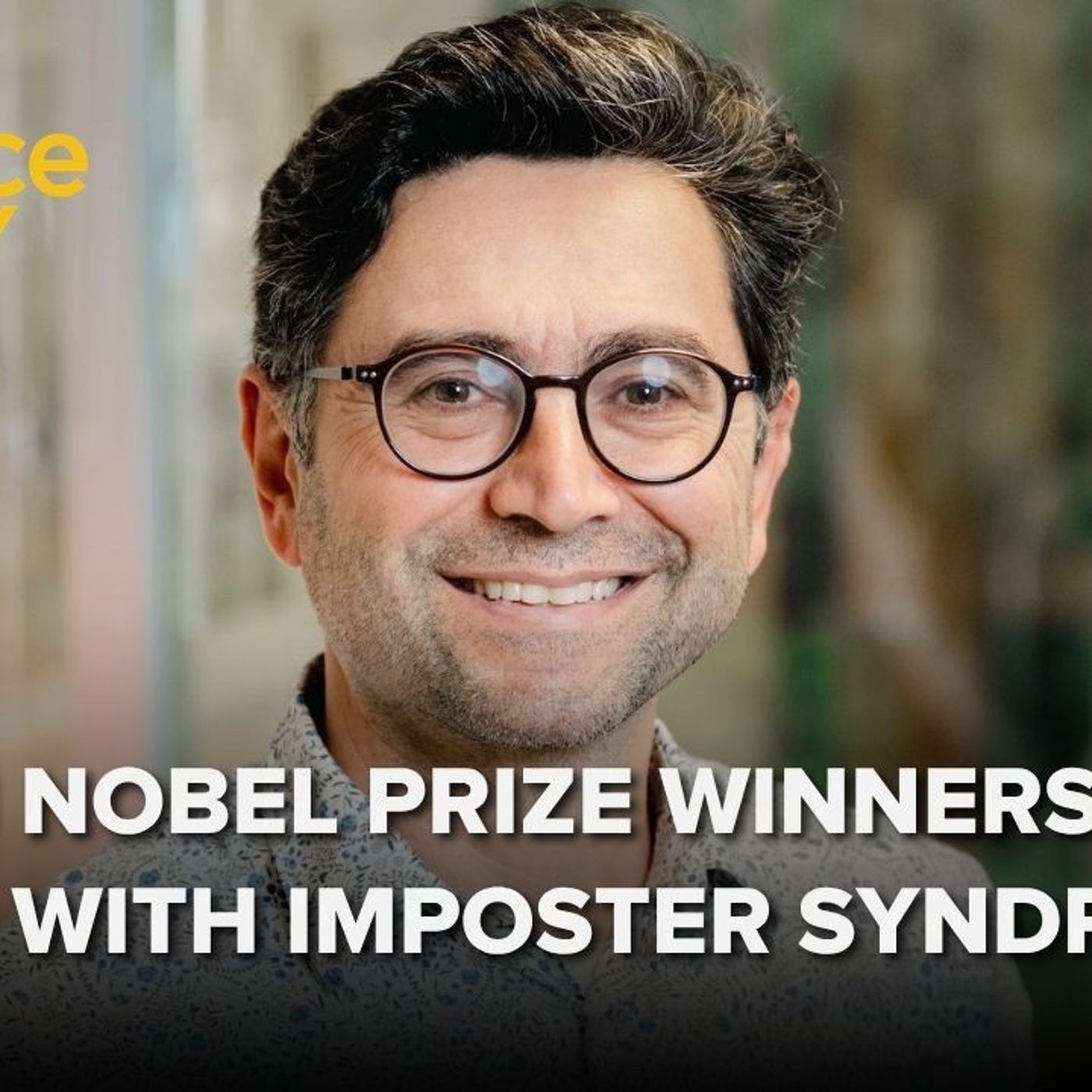
1334: Even Nobel Prize winners deal with imposter syndrome
Around 25 years ago, Ardem Patapoutian set out to investigate the fundamental biology behind our sense of touch. Through a long process of gene elimination, he…
 Science Friday
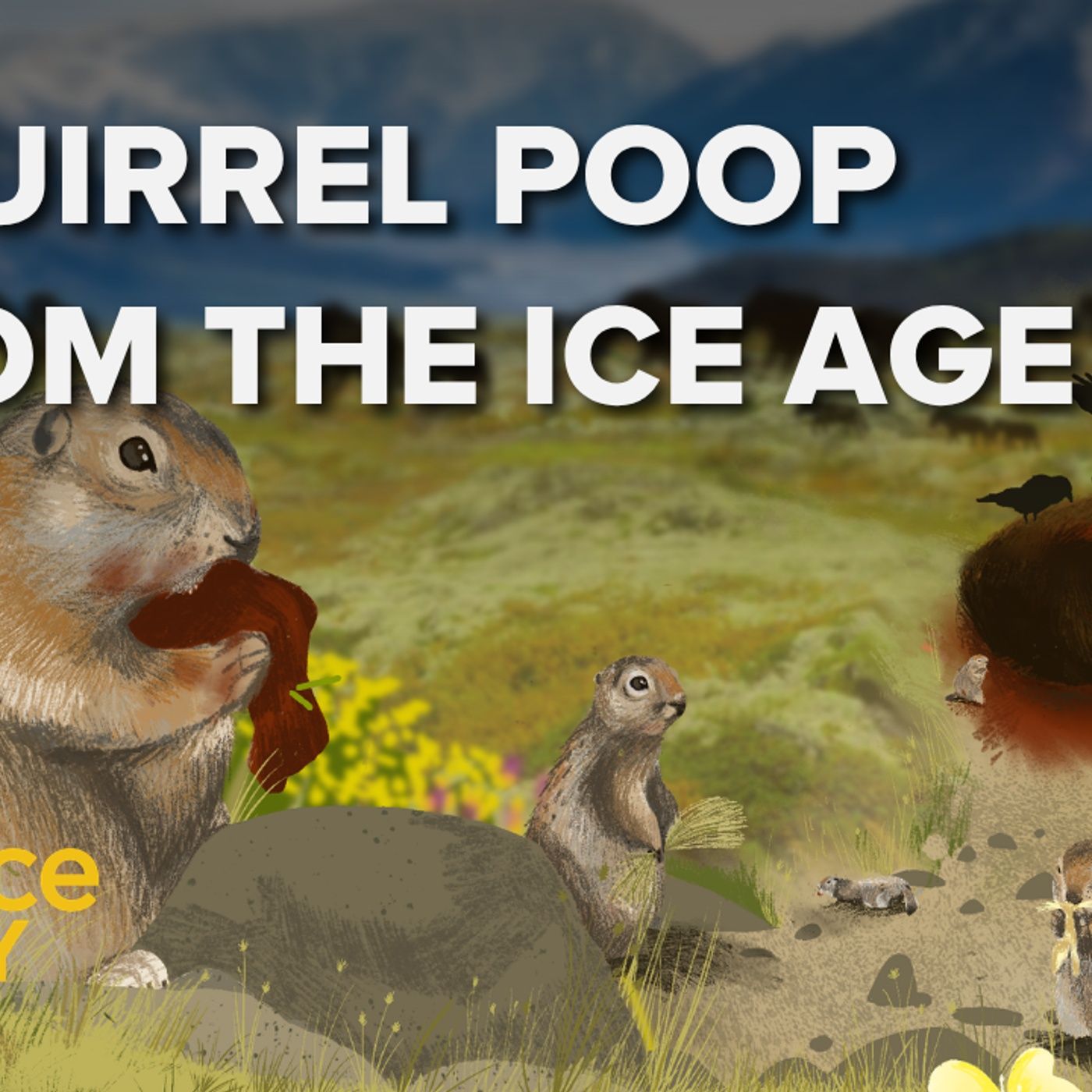
1333: Squirrel poop drops Ice Age clues + The neuroscience of laughter
Hundreds of thousands of years ago, deep in the mountains of the Yukon, a ground squirrel pooped. That scat stayed frozen for millenia—until very recently…
 Science Friday
1332: Promising new treatments for pancreatic cancer and ALS
Pancreatic cancer is among the most deadly forms of cancer, and it can be difficult to catch early. But there’s some good news: Clinical trials of a new drug…
 Science Friday
1331: That chlorine smell at the pool? It’s pee
On a hot summer day, there’s nothing better than a dip in a cold pool. But you know who can ruin that for you? A scientist who studies pool chemistry. What…
 Science Friday
1330: Under proposed rule, science funding must pass political review
The federal Office of Management and Budget (OMB) has proposed rule changes that would bring a major shift in how scientific grants are awarded by U.S…
 Science Friday
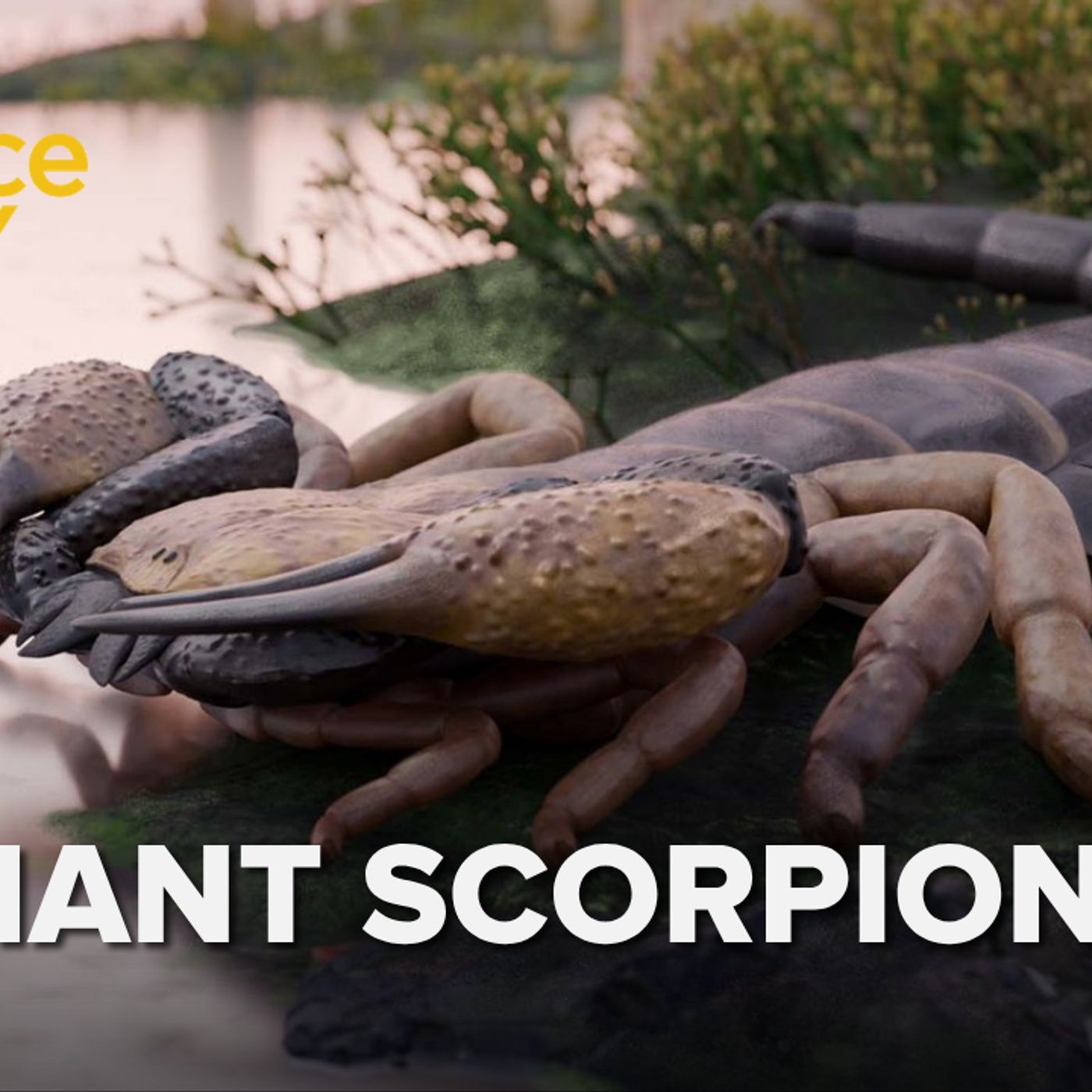
1329: Can you learn to love the scorpion?
If you have arachnophobia, consider this your opportunity to try exposure therapy: A new study suggests that 415 million years ago, in modern-day England and…
 Science Friday
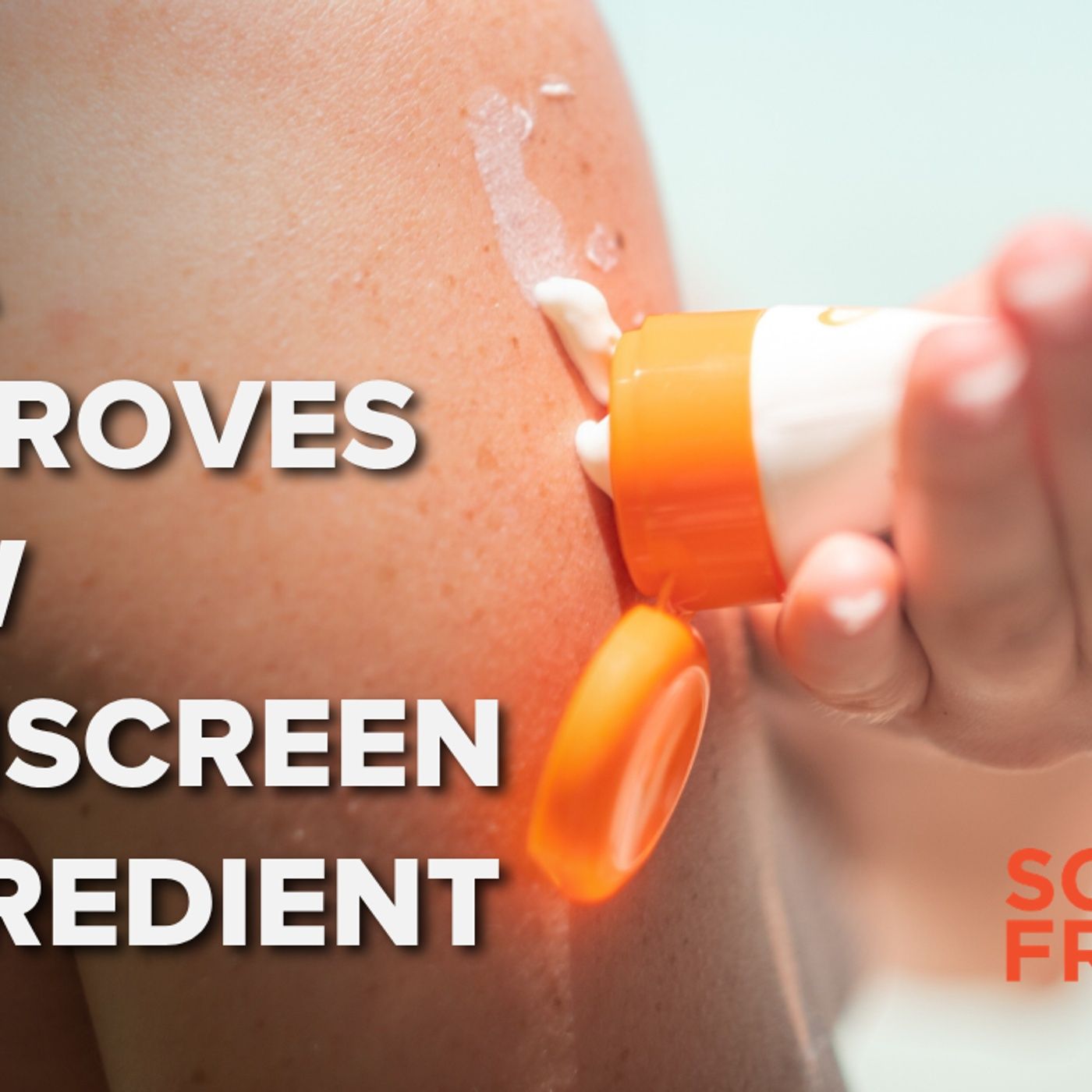
1328: FDA approves a well-known sunscreen ingredient—finally
The FDA recently approved a sunscreen ingredient called bemotrizinol, or BEMT, that’s been used in Europe and Asia for years. This is the first new sunscreen…
 Science Friday
1327: Why do sports announcers talk like that?
If you watch sports, whether the recent NBA finals or the ongoing World Cup matches, you may have noticed that the athletes aren’t the only ones putting on a…
 Science Friday
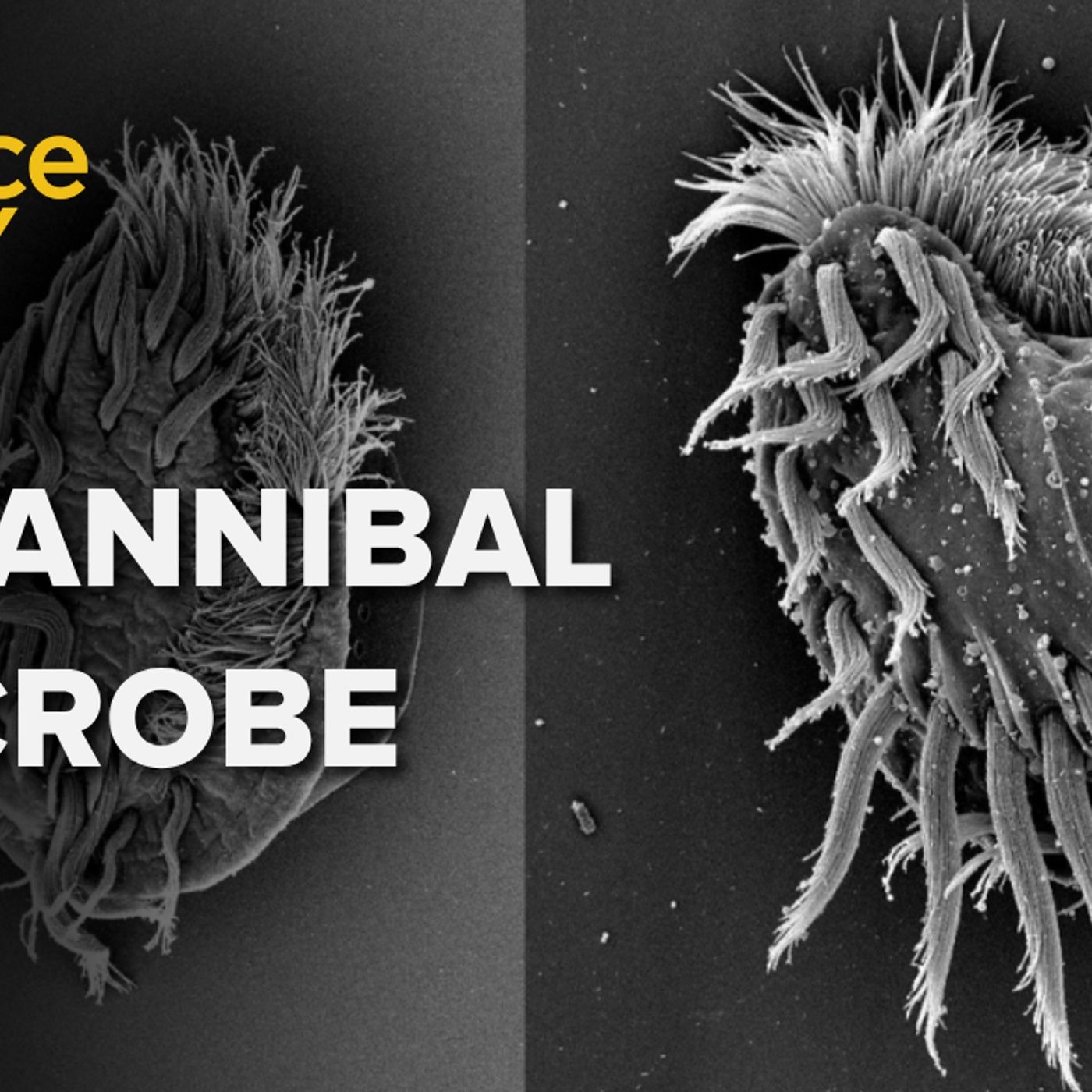
1326: Swords, cannibalism, poison: inside the world of killer microbes
There is a murderous crime spree happening right under—and perhaps inside—our noses. Killer microbes armed with weapons are eviscerating, assassinating, and…
 Science Friday
1325: When music transports you to a different place
Do you ever hear a song that transports you to a specific place and time? This auditory wormhole has a name: musical daydreams. Music cognition expert…
 Science Friday
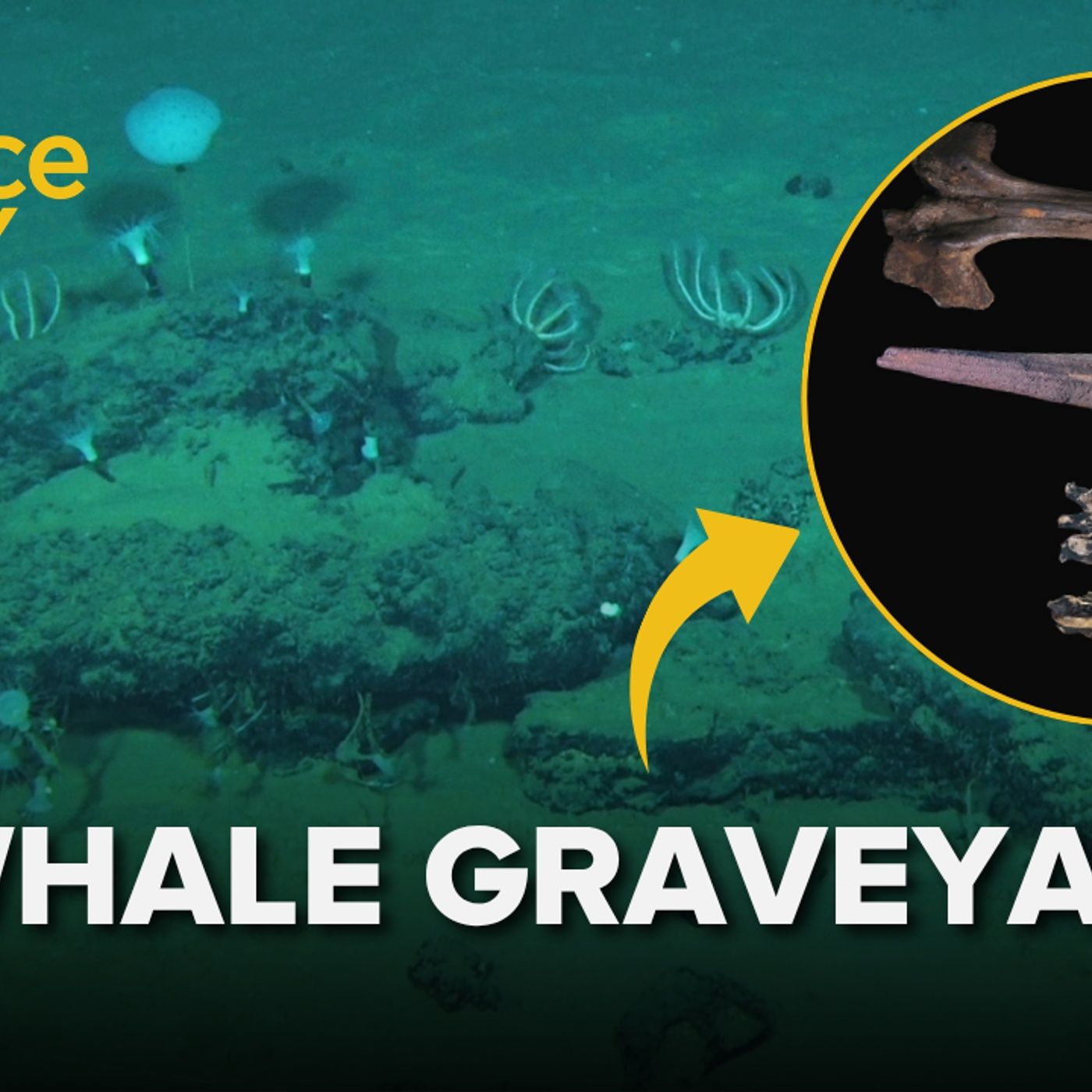
1324: A vast whale graveyard + Zombie sea cucumbers
Researchers just published details of a massive undersea graveyard of whales deep in the Indian Ocean. Spanning about 1,200 kilometers (745 miles), it contains…
 Science Friday
1323: Should we bring mountain lions back to the Northeast?
Big cats used to roam the entire United States. You might know them as mountain lions, pumas, cougars, or catamounts. Though they go by many names, they're…
 Science Friday
1322: Blue Origin explosion hits NASA timeline + Artemis III crew
When Blue Origin’s New Glenn spacecraft exploded in an enormous fireball during a ground test a couple weeks ago, it sent shockwaves not only through the air…
 Science Friday
1321: Why can I handle tequila but not rum?
‘Tis the season for porch beers and happy hours, and we’re taking on listener questions about how alcohol affects us. Like, is a glass of wine at dinner really…
 Science Friday
1320: AI + turfgrass science in the most high-tech World Cup yet
The 2026 World Cup will be the largest one yet, and FIFA is trying to make it the most high-tech, too. The federation has partnered with tech giant Lenovo to…
 Science Friday
1319: How extreme athletes like Alex Honnold keep their cool
Elite athletes spend a lot of time training their bodies for strength, endurance, coordination, and precision. But what about their brains? Can psychology help…
 Science Friday
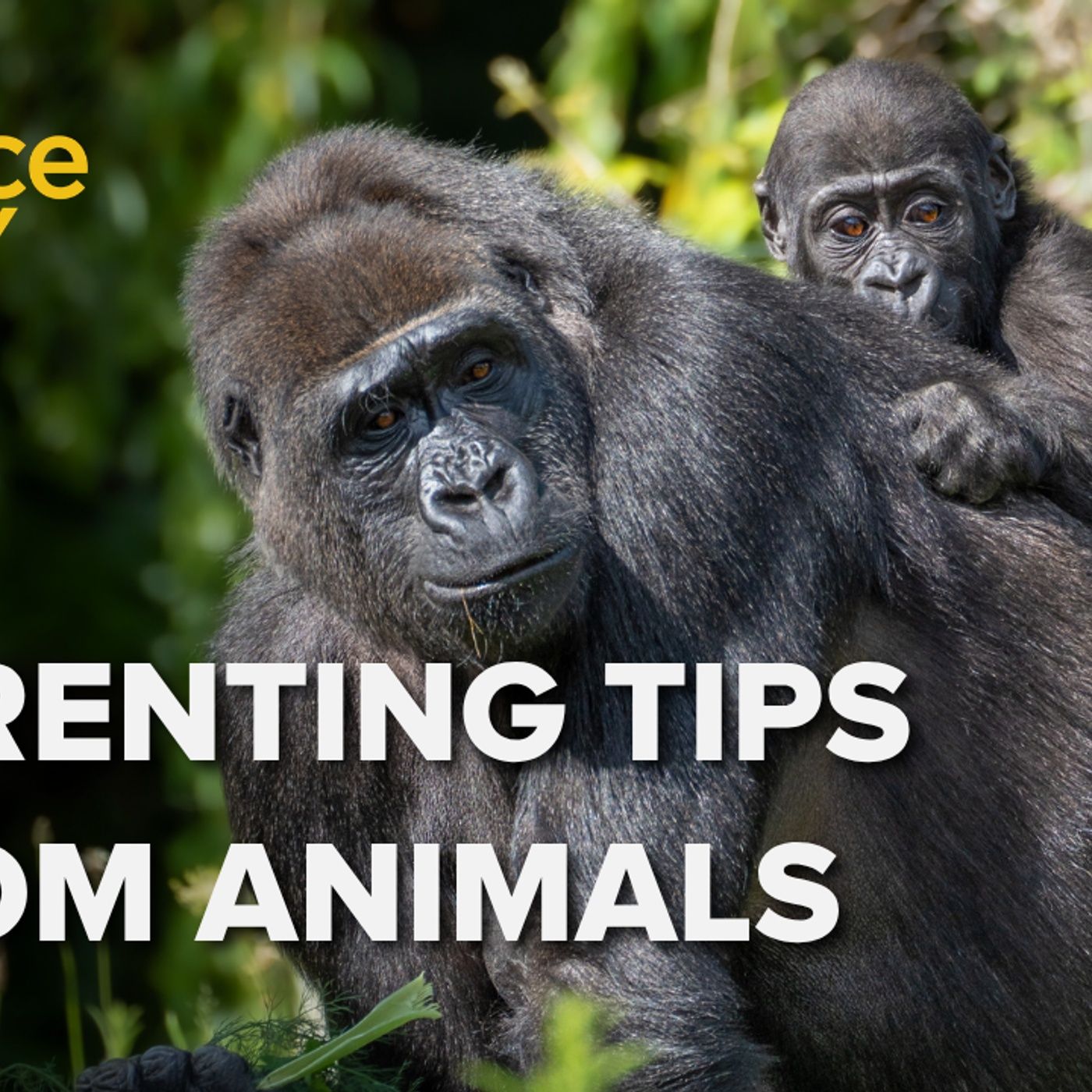
1318: Parenting tips from the animal kingdom
If you’ve ever been a child, had a child, or seen a child face down in a supermarket aisle screaming, you know that parenting can be tough. But humans aren’t…
 Science Friday
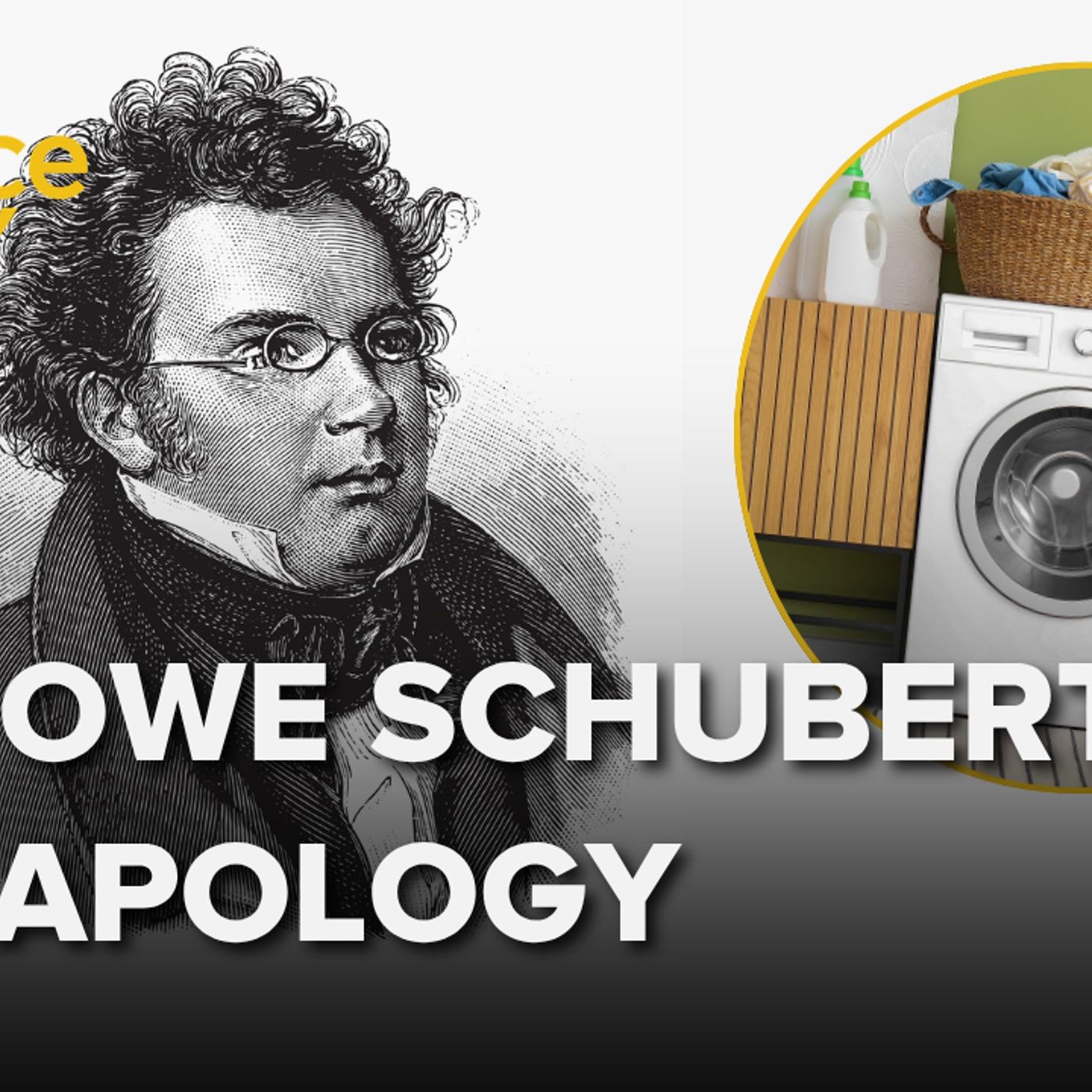
1317: Wait, is my washing machine playing Schubert?
A few weeks ago, we talked to two sonic branding experts who compose music for household appliances. And we played for them a song “sung” by a washing machine…
 Science Friday
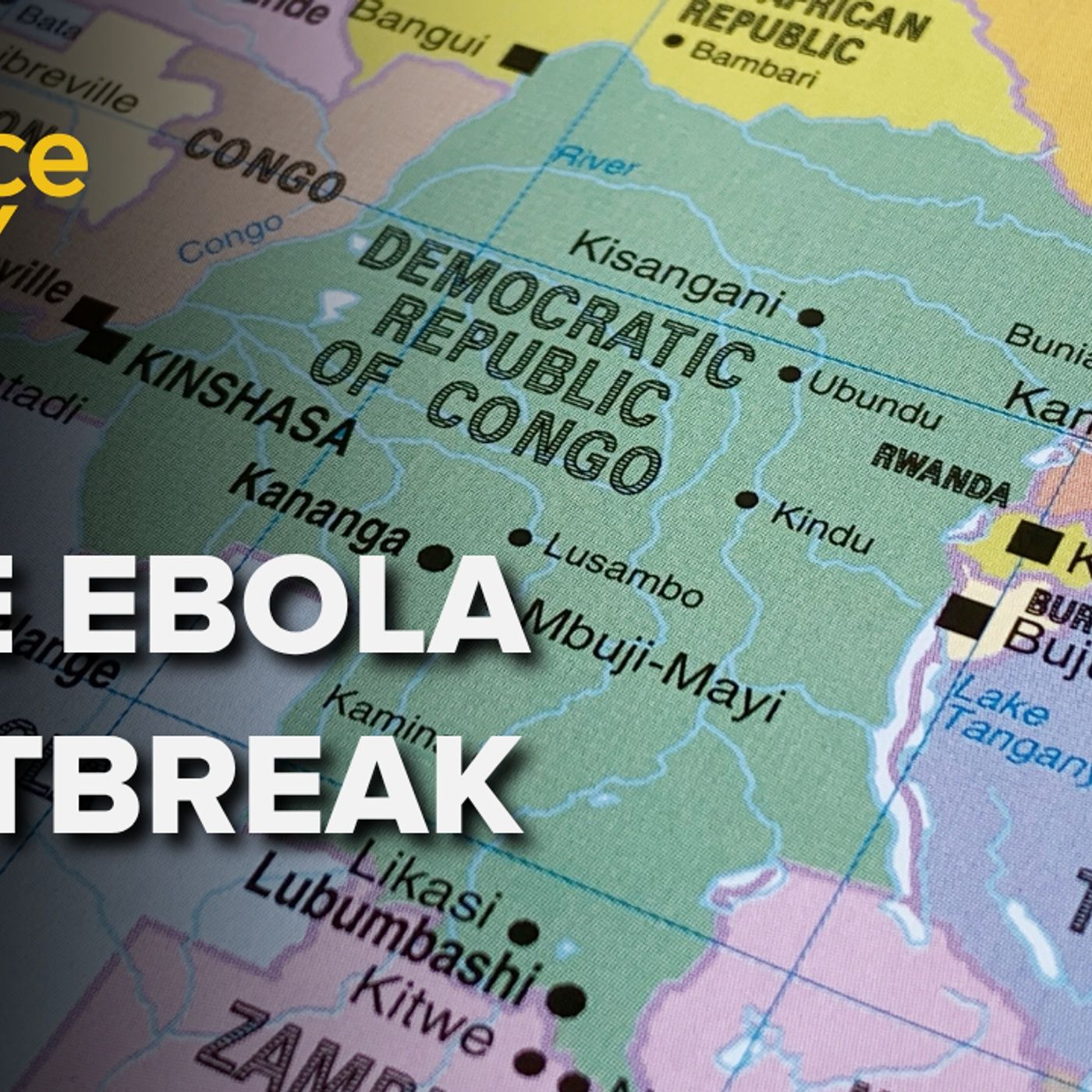
316: A virus hunter in Nigeria has thoughts on the Ebola outbreak
The current Ebola outbreak in the Democratic Republic of the Congo and neighboring Uganda is caused by the Bundibugyo virus. There’s no specific treatment or…
 Science Friday
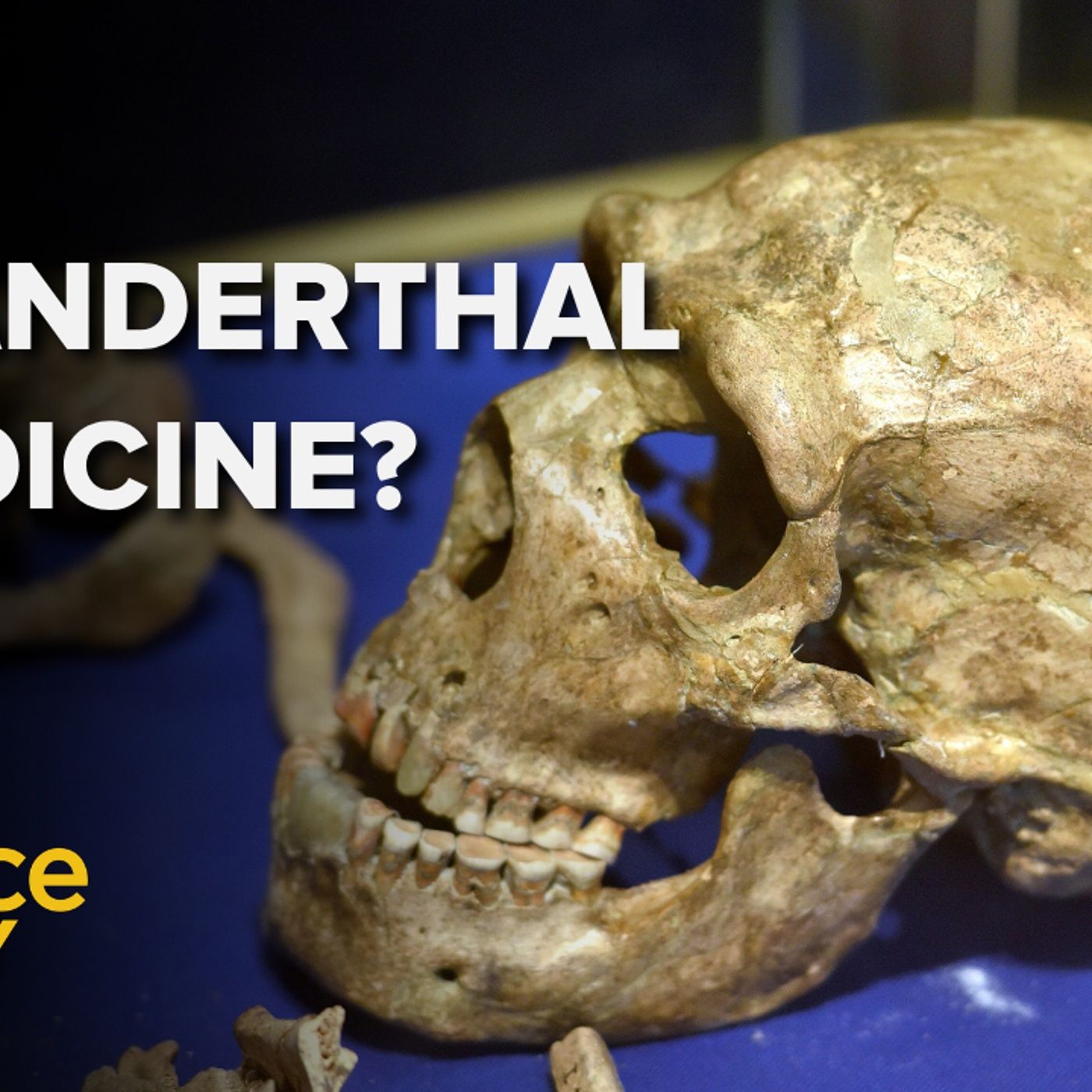
How did Neanderthals deal with illness and injuries?
If you look up where medicine originated, or the earliest medical interventions, you’ll probably find yourself reading about ancient Greece or Egypt or…
 Science Friday
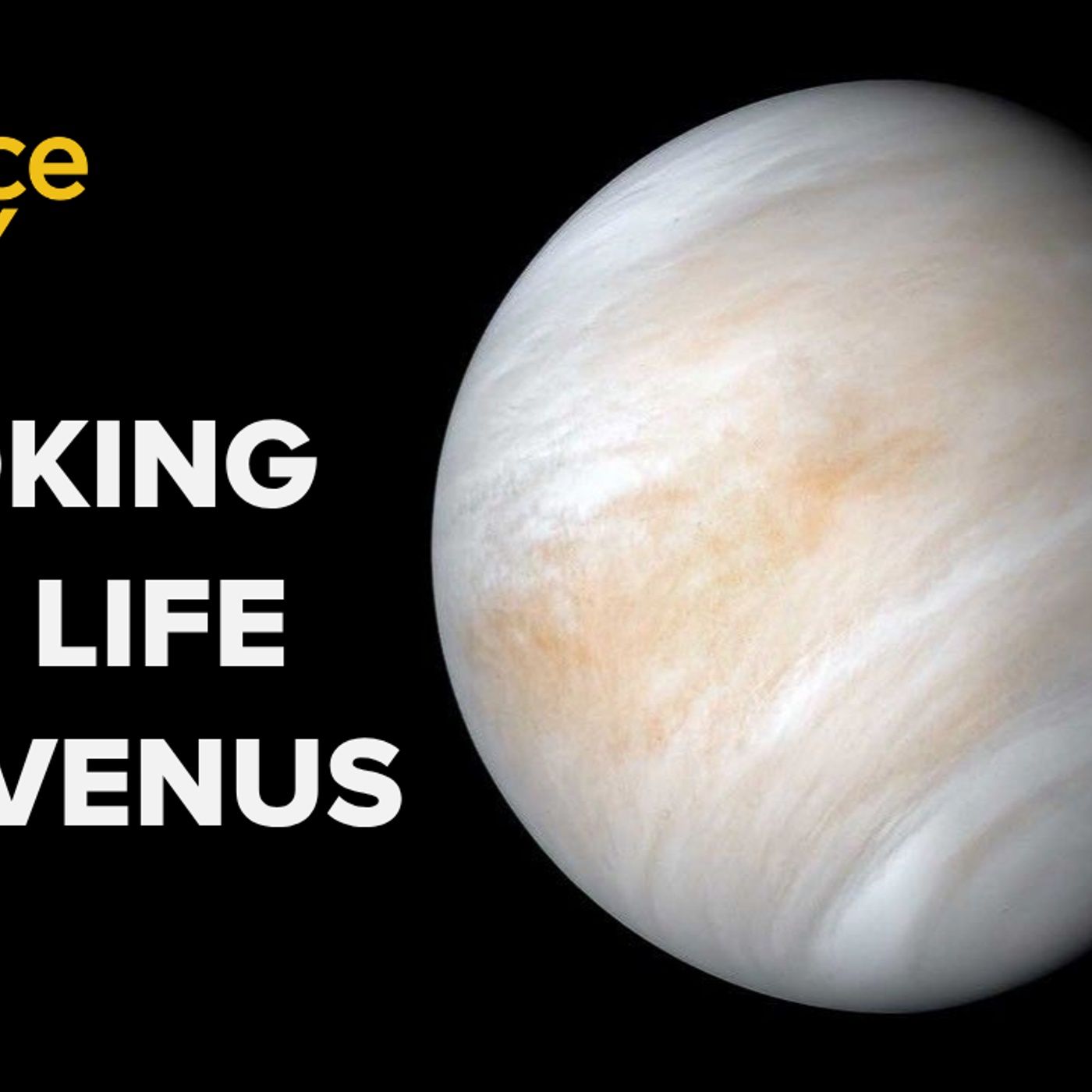
314: Looking for life in the clouds of Venus
A group of researchers and private investors are planning a series of privately funded missions to Venus, hoping to find signs of life. That may seem like a…
 Science Friday
1313: Meet the drug developer taking on wildlife diseases
Many of the forces driving species to extinction—habitat destruction, pollution, climate change—also fuel the spread of disease. Plants and animals around the…
 Science Friday
1312: Can the shingles vaccine stave off dementia?
The benefits of getting a shingles vaccine seem relatively straightforward: It will prevent you from getting shingles, a painful rash caused by the same virus…
 Science Friday
1311: Inside the Nebraska quarantine facility responding to hantavirus
Two disease outbreaks are dominating the news: Ebola in the Democratic Republic of the Congo, and hantavirus, which started spreading on a cruise ship.The U.S…
 Science Friday
1310: Surveying wildlife along Lewis and Clark's route, 220 years later
When Lewis and Clark crossed the United States in the early 1800s, they recorded their wildlife observations along the way. Now, more than 200 years later, an…
 Science Friday
1309: Pope Leo's encyclical on AI, and the Vatican science advisors
On Monday, Pope Leo XIV presented his encyclical, an open letter from the church, on AI. The 42,000-word document covers a lot of terrain—from screen time to…
 Science Friday
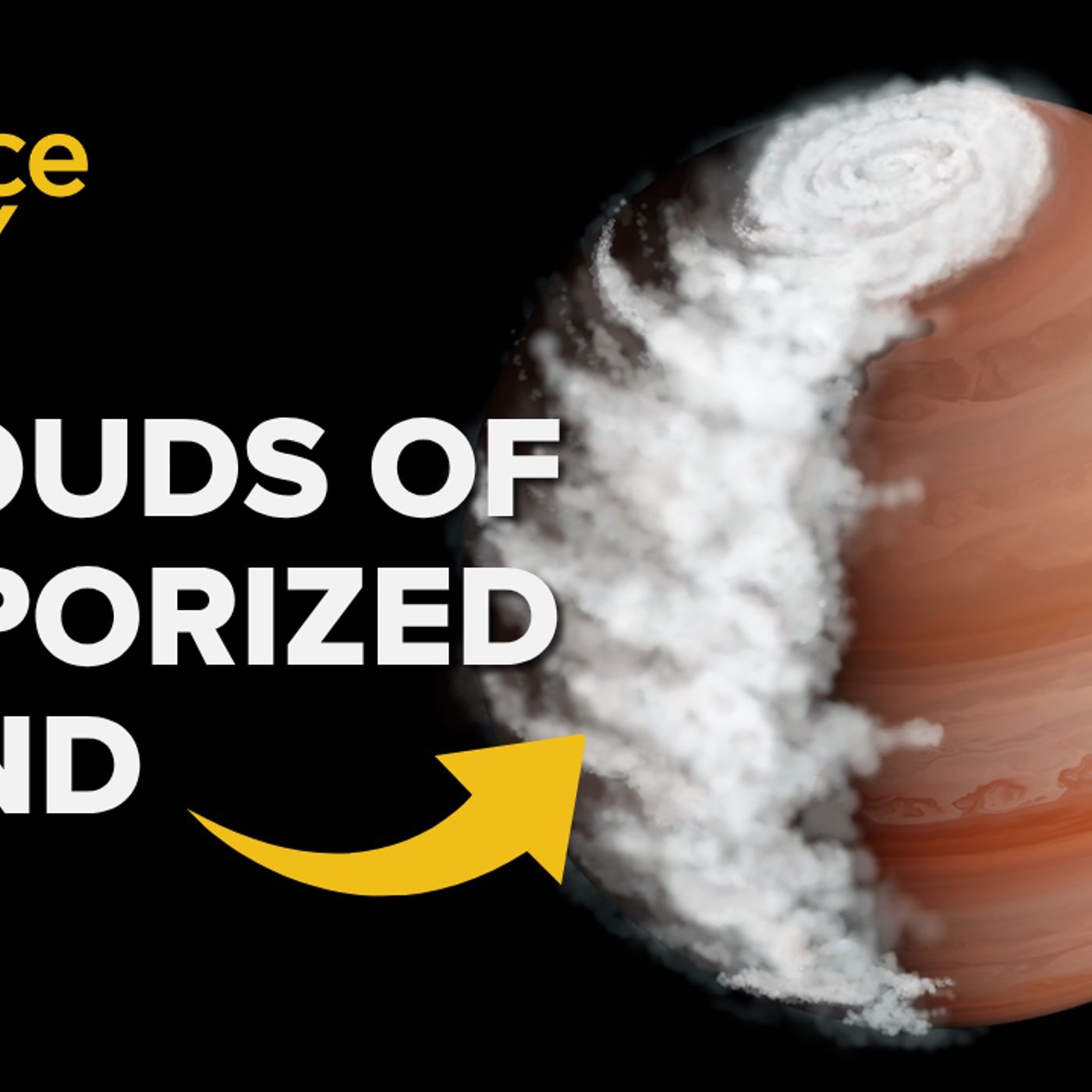
1308: Bizarre exoplanet clouds + Counting insects with weather radar
Astronomers using the James Webb Space Telescope have observed clouds on a hot gas giant exoplanet called WASP-94A b, some 700 light-years away. But these…
 Science Friday
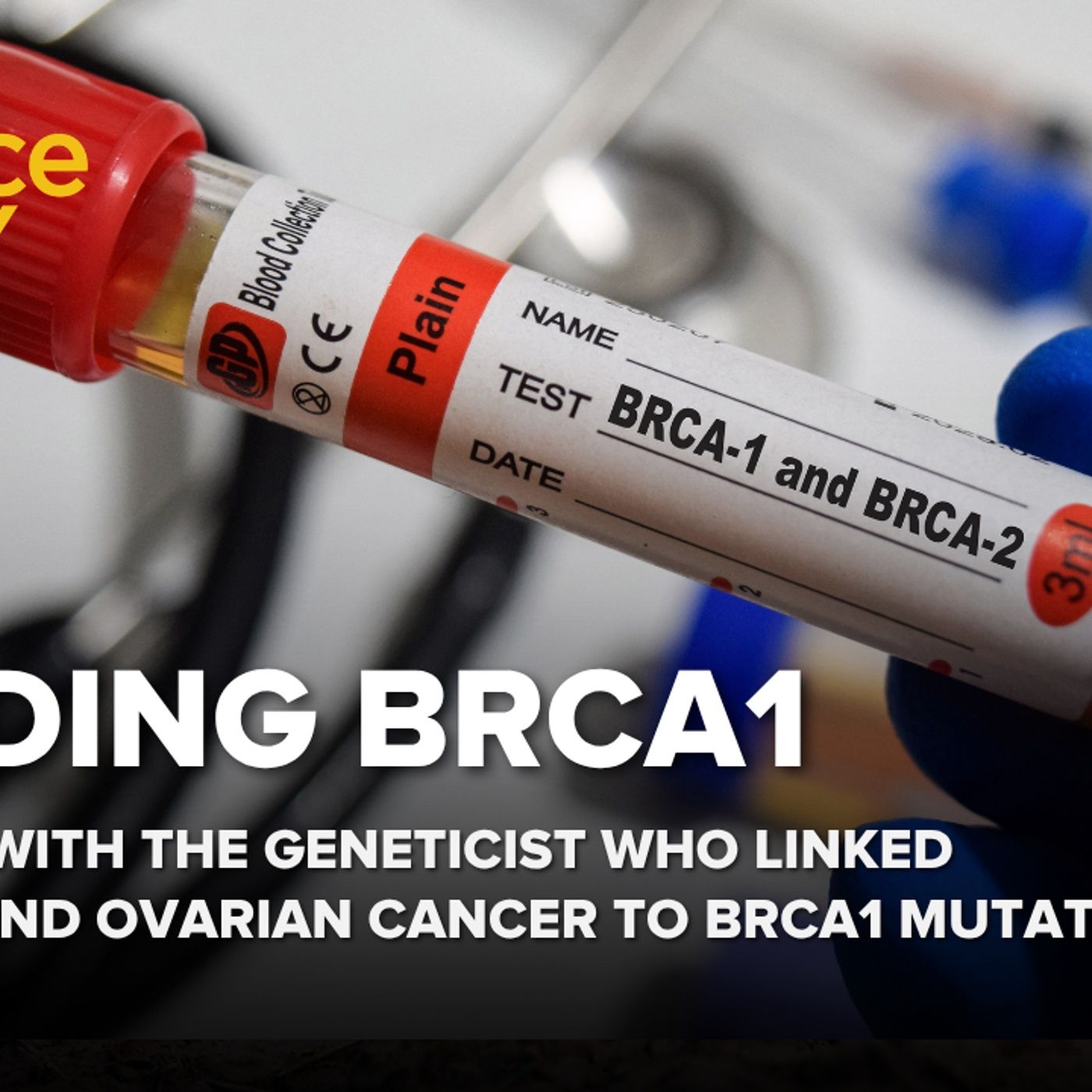
1307: A trailblazing geneticist reflects on her life and work
It’s common knowledge that many diseases and conditions have some kind of genetic link. But that wasn't always the case. In 1990, long before the Human Genome…
 Science Friday
1306: Is that spooky old house full of ghosts, or just infrasound?
Old creepy houses are a horror cliche, but why? Why do they freak us out? According to new research, it might have something to do with infrasound: a sound…
 Science Friday
How do clinical trials work, and who can participate?
We recently got a call from a SciFri listener in Florida who has autoimmune arthritis. He told us that over the years he’d taken 10 drugs, and each out…
- Science Friday
1304: Use of herbicide linked to Parkinson's is on the rise in the US
The herbicide paraquat is so toxic it’s banned in over 70 countries. But its use in the U.S. is growing, despite known links to Parkinson’s disease. In…
 Science Friday
1303: Why does fashion repeat in 20-year cycles? Math has the answer
Bucket hats. Low-rise jeans. Track suits. As you might’ve noticed, Y2K fashion is in right now. People say that fashion moves in 20-year cycles, and it turns…
 Science Friday
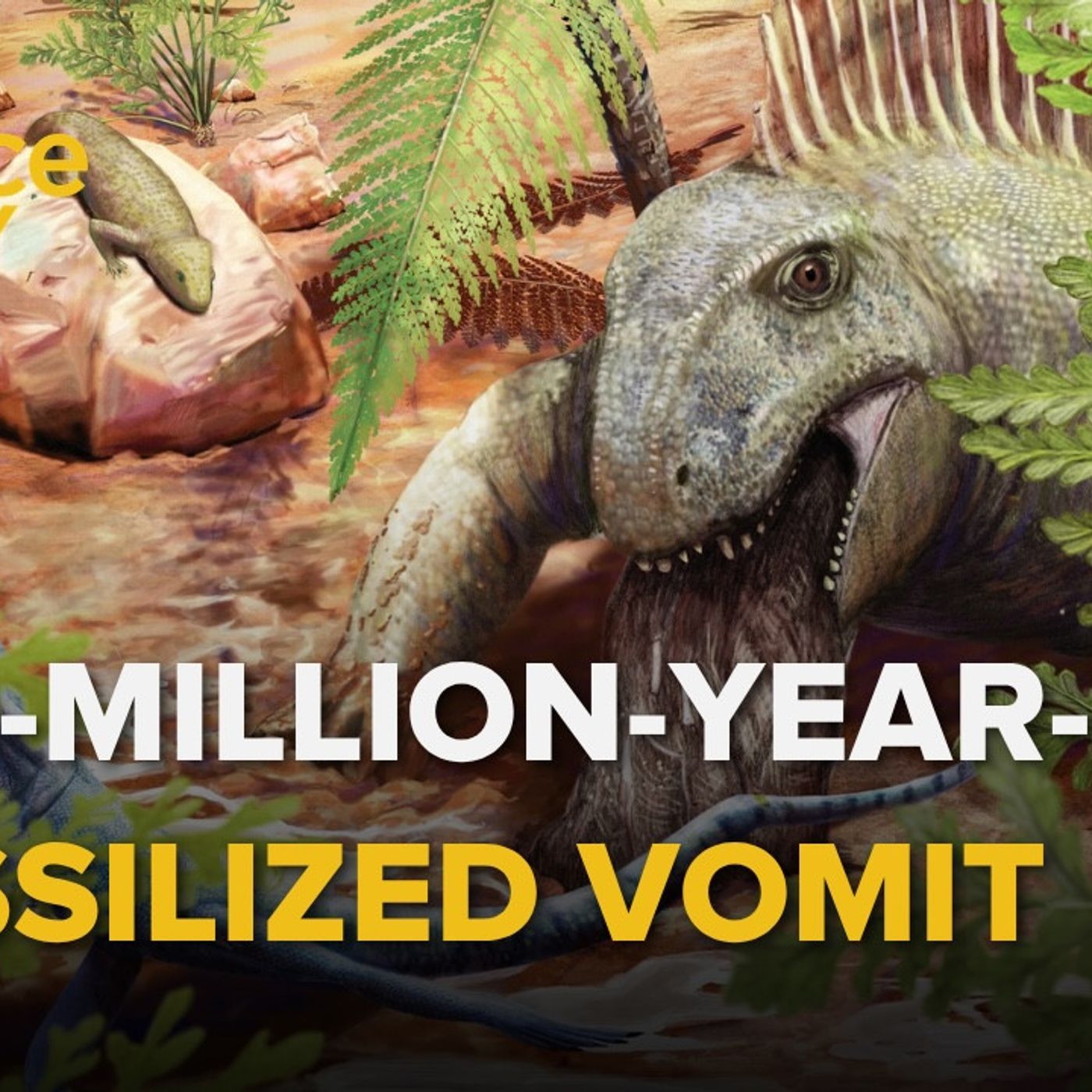
1302: Earth's Ancient Hydrogen, And Fossilized Vomit
A recent study simulated the extreme temperatures and pressure of the Earth’s interior by squeezing a sample between diamonds and heating it with a laser. In…
 Science Friday
1301: How yawning might help clear dirty fluid from the brain
Just about every animal with a backbone yawns (maybe even dinosaurs), but why we do it is still something of a mystery. A SciFri listener from Texas recently…
 Science Friday
1300: The new frontier of cancer research is in space
An upcoming resupply mission will carry tumor samples to the International Space Station for research. Experiments in microgravity have yielded shocking…
 Science Friday
1299: Who are the musicians composing for my washing machine?
Have you noticed that your newer appliances are serenading you? Many new washing machines, dishwashers, dryers, and vacuums have sonic signatures. But why? And…
 Science Friday
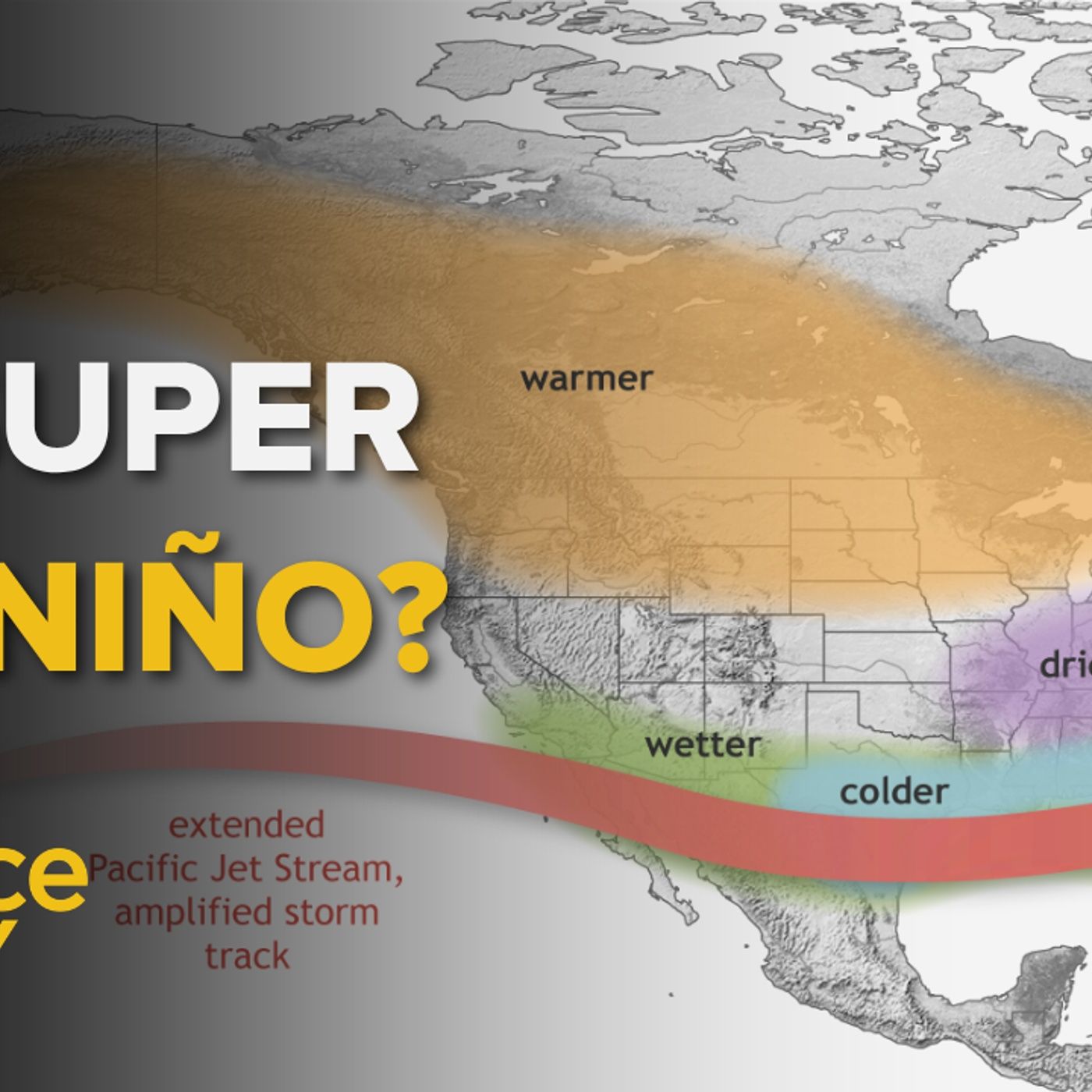
1298: How El Niño shapes the world’s weather trends
Scientists studying climate models say there’s a high chance this will be an El Niño year—and that we could be in for a “super” El Niño. The difference is…
 Science Friday
1297: Planning your photo ops for a trip around the moon
In April, the crew of Artemis II got an unprecedented tour of the far side of the moon, and they brought back a proverbial shoebox full of pictures. Lunar…
 Science Friday
1296: Understanding the gynecological health crisis facing Black women
When Kemi Doll was in medical school, she learned that Black women are twice as likely to die from uterine cancer as white women, and also suffer…
 Science Friday
1295: Data about your body is up for sale. Who's buying it?
Cameras and sensors are just about everywhere, recording your face, how you walk, where you go, your heart rate. And AI is making it easy to amass and analyze…