Shows / The Science of Politics
The Science of Politics
The Niskanen Center’s The Science of Politics podcast features up-and-coming researchers delivering fresh insights on the big trends driving American politics today. Get beyond punditry to data-driven understanding of today’s Washington with host and political scientist Matt Grossmann. Each 30-45-minute episode covers two new cutting-edge studies and interviews two researchers. We welcome your thoughts on this episode and the podcast as a whole. Please send feedback or suggestions to…
Episodes
 The Science of Politics
Can housing policy overcome lousy folk economic thinking?
Housing advocates have won state policy changes and a new federal law. But can they overcome publics that still blame landlords and developers for rising…
 The Science of Politics
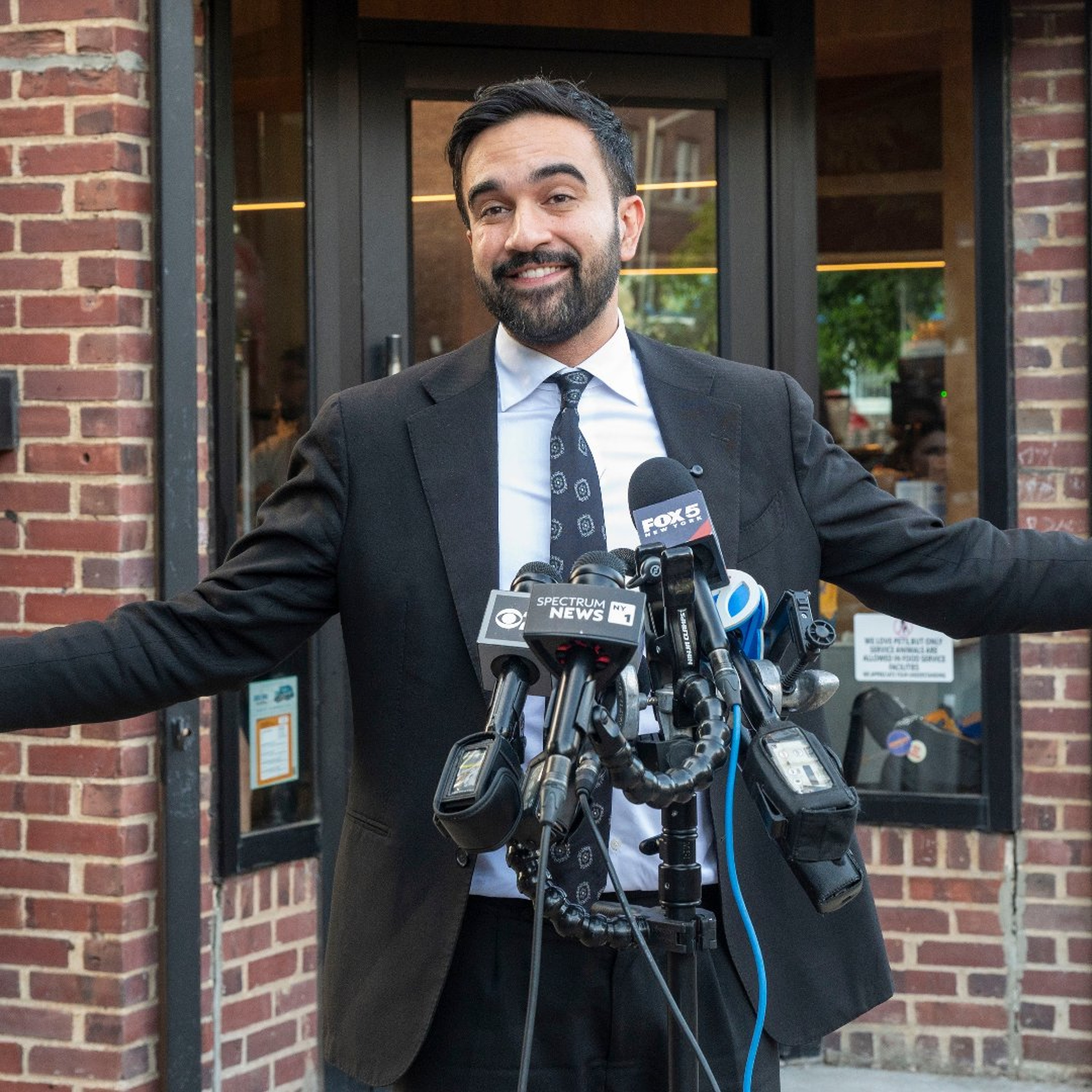
Inside the Democratic Socialist uprising
Candidates affiliated with (or sympathetic to) the Democratic Socialists of America (the DSA) have recently won several Democratic primaries. Although this…
- The Science of Politics
The rise of small donors is mostly making politics worse
Candidates celebrate when their campaigns are funded by small contributions. Small donors are playing far greater roles in American politics but they are not…
- The Science of Politics
Can We Make Legislators More Effective?
We fear that legislatures are gridlocked and performative, rather than focused on actually passing new laws. But some legislators are consistently more…
 The Science of Politics
Will young Americans become long-term democrats?
Elite polarization may be helping young people sort out their politics but it could also make them misperceive how the other side lives. Delia Baldassarri…
 The Science of Politics
Are the Courts contributing to democratic backsliding?
The Supreme Court’s voting rights decision is upending the midterm election and raising concerns about its role in democratic backsliding. Thomas Keck finds…
- The Science of Politics
Political Inequality Isn’t Responsible for Economic Inequality
Economic inequality is high and rising, without much political response. Most stay that's because our political institutions overrepresent the views of the…
 The Science of Politics
Can we improve trust in elections if the losers don’t concede?
Trust in American elections has declined since President Trump failed to concede the 2020 election. But voters do have real concerns about electoral…
 The Science of Politics
Why rural areas vote Republican despite worse health outcomes
Rural America has moved toward strong Republican voting even though Republican governance helps explain worse health outcomes in rural areas, from hospital…
 The Science of Politics
Can corporate scandals reinvigorate democracy?
Polarized politics is not leaving much room for agreement on economic regulation, even as inequality and business power grow. But Pepper Culpepper and Taeku…
 The Science of Politics
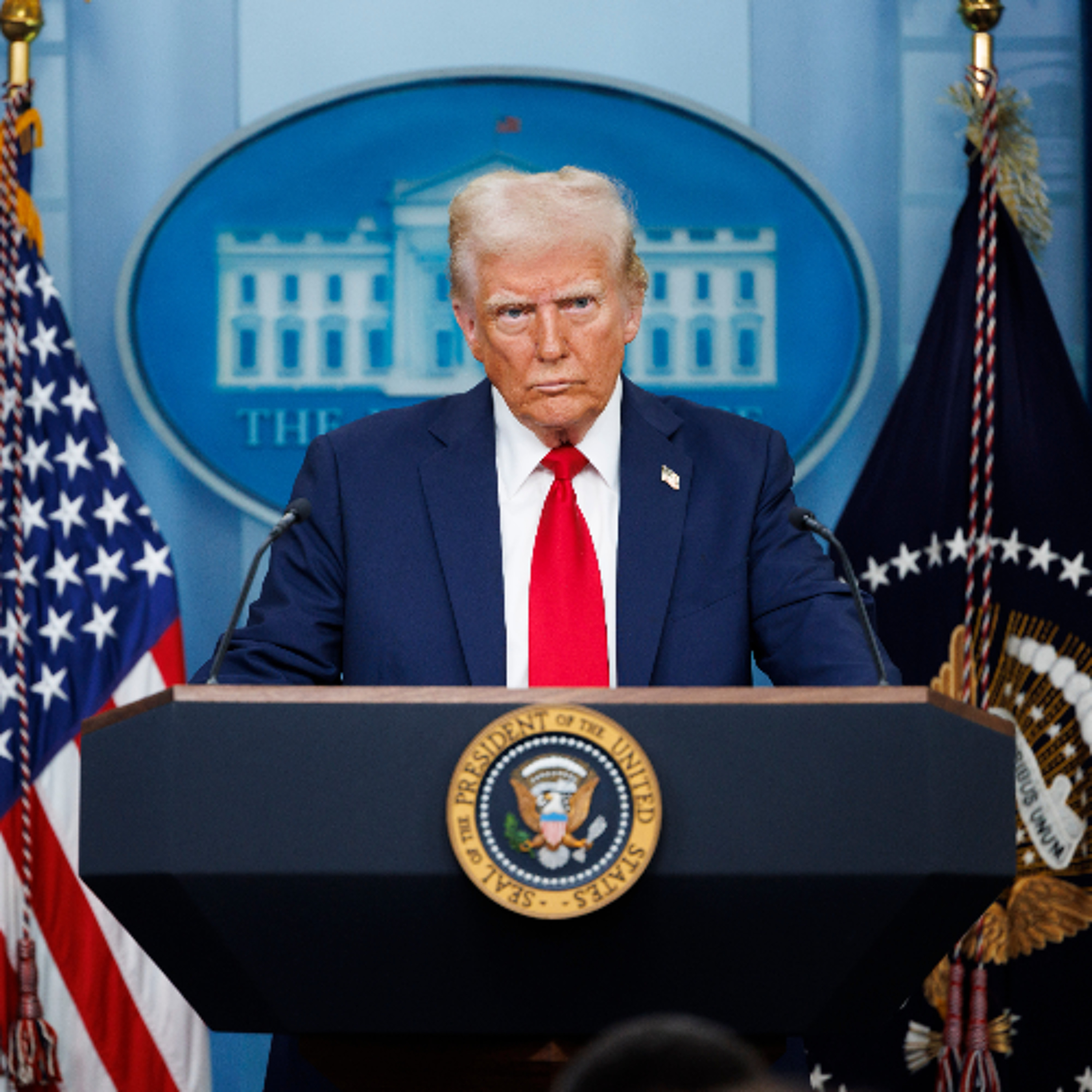
The intellectual support for Trumpism
Donald Trump has not been a favorite of university professors or public intellectuals, but he does have a base in some elements of political theory. What are…
 The Science of Politics
What Predicts Midterm Election Results?
The 2026 election will decide who controls the House and Senate for the duration of Trump's presidency. Trump's approval is low and public opinion is moving…
 The Science of Politics
Legislators are raising money instead of making policy
Legislators spend considerable time dialing for dollars to support their party, even if they themselves are not in electoral danger. That helps them move up…
 The Science of Politics
Can AI ‘vibe research’ replace social science?
AI tool improvement is compounding fast enough for researchers to start using tools like Claude Code for real social science tasks. What are the early lessons…
 The Science of Politics
How authoritarian parenting attitudes explain our political divides
Some Americans prefer obedient, respectful, and well-mannered children and others prefer independent, curious, and self-reliant kids. And that divide is a…
- The Science of Politics
Which groups win policy under each party?
Do rich white Americans always get their way in policymaking? Or does it matter who is in charge? Agustin Markarian finds that different groups see their…
 The Science of Politics
How media incentives stoked the culture war
Despite calls for politics to return to kitchen table economic issues, the culture war rages on. That could be a product of the distinct incentives facing…
 The Science of Politics
Who now directs spending: Congress or the president?
Donald Trump has taken extraordinary actions to redirect or ignore congressional appropriations, from dismantling foreign aid to making the Education…
 The Science of Politics
The backlash presidency
How unique is Donald Trump’s trajectory as a president born of backlash? What should we make of Trump following Barack Obama? Julia Azari finds that backlash…
- The Science of Politics
How the money chase governs our elections
A year before the midterms, quarterly fundraising reports are already reshuffling expectations and causing some candidates to drop out. And candidates are…
 The Science of Politics
The Supreme Court is enabling Trump’s executive power
Many thought the second Trump administration would feature a confrontation between a Supreme Court intent on limiting executive discretion and an empowered…
 The Science of Politics
The future of the democratic party
Democrats are out of power in all three branches of government, uncompetitive in many states, and divided on how to prepare for 2026. What’s the path forward?…
 The Science of Politics
Will partisan redistricting tip Congress?
Texas, California, and Missouri are moving forward with plans for mid-decade redistricting to gain partisan advantage—with other states threatening to follow…
 The Science of Politics
The fall of an independent Fed
President Trump has pressured and attacked the Federal Reserve and is now trying to replace governors. What are the consequences if the Fed is losing…
 The Science of Politics
Making AI policy: Are we falling behind or rushing in?
As the next AI cycle begins, state and national governments are trying to keep up. And AI policy now matters for energy, health, education, foreign, and…
 The Science of Politics
Is democracy failing education?
American students are falling behind while local school boards are preoccupied with culture war controversies. Is local democratic control of schools a…
 The Science of Politics
Reconciliation and rescission
The Republican Congress has quickly remade fiscal policy, with substantially more success than in Trump’s first term. How did they achieve so much more without…
 The Science of Politics
How the president gained war powers
After President Trump bombed Iran, Democrats in Congress declared the action illegal. But it follows a long history of increased presidential control of…
 The Science of Politics
If we don’t like polarizing politicians, why do we get them?
Politicians are launching outlandish negative attacks and Americans have developed more negative views of the other party. But how connected are polarizing…
 The Science of Politics
Building a science of political progress
Politics seems to be holding us back in a world of technological and social progress. Research has found health cures, invented magic new tools, and connected…
 The Science of Politics
The backstory for presidential power grabs
President Trump is claiming power over independent agencies and trying to redirect the administrative state, saying he is its unitary executive. But this is…
 The Science of Politics
Can liberals stop Trump in the courts?
Donald Trump’s expansive executive action has been met with a flurry of court action, as Democratic officials and liberal interest groups challenge each…
 The Science of Politics
How the 1st term trade war hurt Trump
Donald Trump has now unilaterally imposed huge global tariffs, upending the world economy. But we did get a preview of Trump’s trade approach in his first…
 The Science of Politics
Is Trump redirecting or deconstructing the administrative state?
The 2nd Trump administration has begun tearing down the administrative state, firing thousands, cancelling contracts, and shuttering agencies. But they have…
 The Science of Politics
Are the parties too focused on policy programs?
We have the parties that we said we wanted: they compete over extensive policy programs, with voters making decisions among clear issue position alternatives…
 The Science of Politics
How policymakers and experts failed the COVID test
Five years after the COVID lockdowns, the performance of government and policy experts is not looking great in retrospect. Stephen Macedo and Frances Lee find…
 The Science of Politics
Can judicial review stop a lawless executive?
Courts are pausing dozens of Trump administration actions—from mass firings to agency shutdowns. But does the judiciary have a real enforcement mechanism? Will…
 The Science of Politics
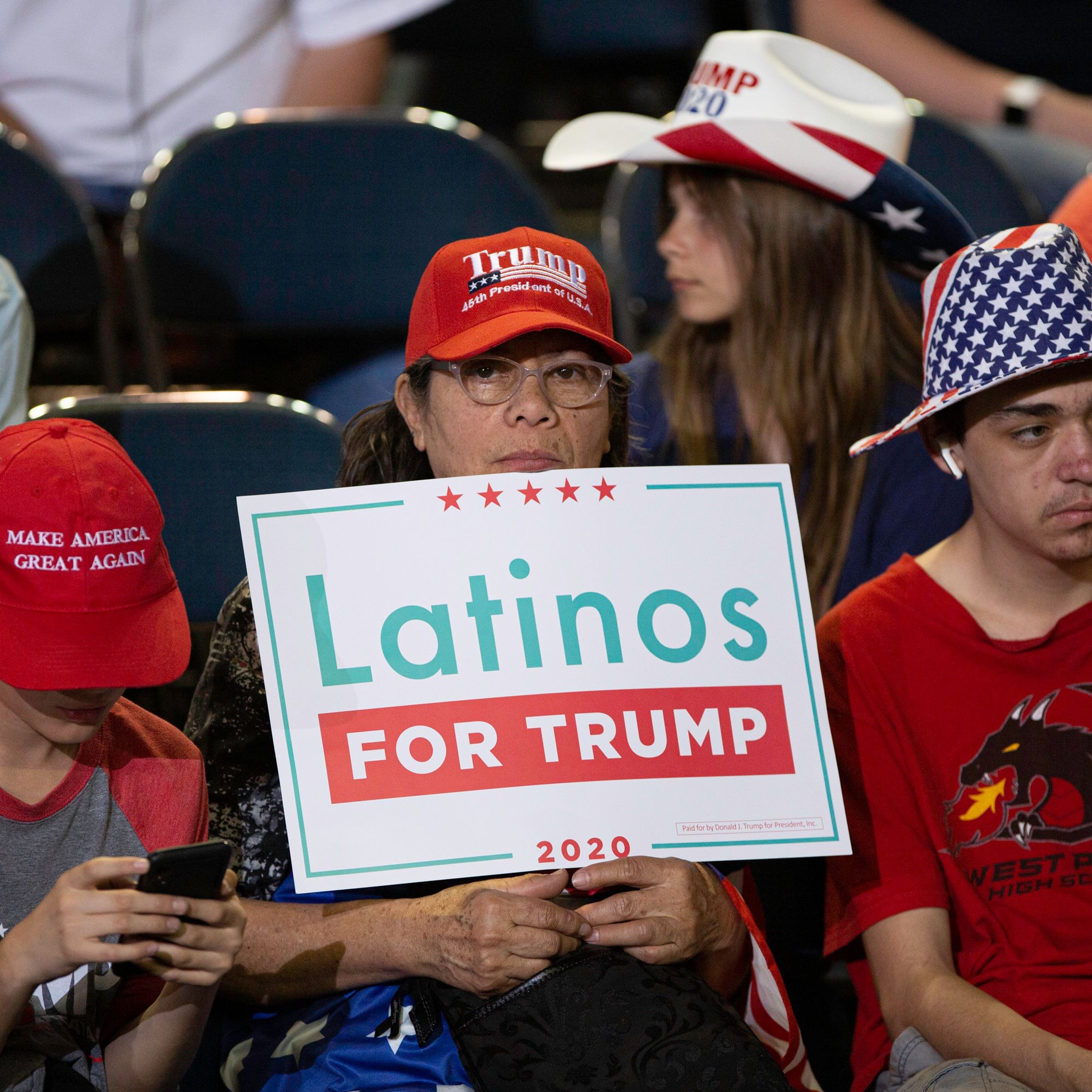
Why some Latinos support the Trump immigration agenda
While promising mass deportation and an immigration crackdown, Donald Trump gained Latino support in 2024, just as he had in 2020. Why do some Latinos support…
 The Science of Politics
Counterproductive interest group polarization
American interest groups are increasingly lining up behind the Democratic or Republican Party and trying to build coalitions within those parties rather than…
 The Science of Politics
How racial realignment ignited the culture war
How did Americans become politically divided on culture war topics like guns, abortion, women’s role, gay rights, and environmentalism? The common story is…
 The Science of Politics
Threats to democracy in the 2nd Trump administration
Trump has promised to remake the federal bureaucracy in his own image and go after his political opponents and the media in his 2nd administration. But there…
 The Science of Politics
Why Asian Americans did not swing to Harris
When Kamala Harris became the Democratic presidential nominee, an outpouring of excitement among Indian Americans foretold potential gains for Democrats among…
 The Science of Politics
What the Trump nominations and transition foretell
President Trump has made his picks for his second term cabinet more quickly and the transition is more organized and ready for Executive Branch action. Will…
 The Science of Politics
Will Trump have unilateral power or just pretend he does?
Analysts previewing a second Trump administration say he will now have unchecked power, with compliant administrators and courts. But there is a long history…
 The Science of Politics
Class, race, gender, and the 2024 election
In this live episode of The Science of Politics, panelists examined the class, race, and gender dynamics that shaped the 2024 election. The panel features Tom…
 The Science of Politics
Can we believe the polls?
Polls missed the 2016 election outcome and did even worse in 2020 on the margin, underestimating Donald Trump again. Should we believe the polls this time?…
 The Science of Politics
Are Black voters moving to Trump?
Pre-election polls show Black voters moving toward Donald Trump in 2024, even though he is now running against Kamala Harris. And Trump did gain a bit of…
 The Science of Politics
How 'Woke' Are We?
In the last 12 years, academic language about structural inequality made its way to media and popular discourse, leading to conservative critiques of…
 The Science of Politics
How the campaigns battle for electoral college victory
Presidential campaigns narrow the battleground to an ever-smaller group of potentially pivotal states—where they spend most of their time and money in the race…
 The Science of Politics
How the diploma divide transformed American politics
College-educated voters are moving toward the Democrats, with the less educated moving toward the Republicans. Will 2024 continue the pattern or reverse the…
 The Science of Politics
Are American parties reviving or hollow?
After years of signs that the American parties were institutionally weak and vulnerable to takeover, Democratic Party elites coalesced to quickly replace their…
 The Science of Politics
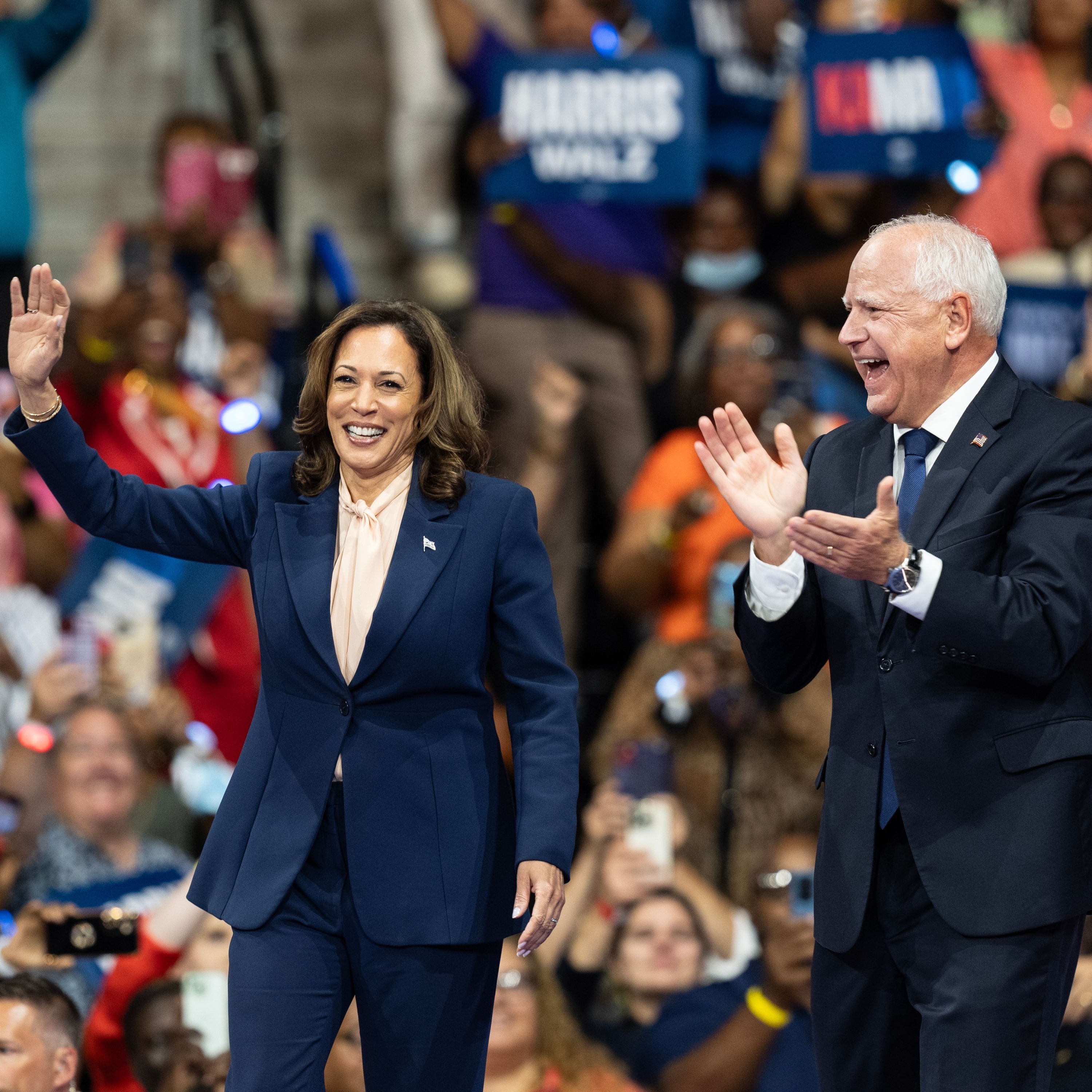
What research on Black women candidates means for Kamala Harris
Vice President Kamala Harris has replaced Joe Biden as the Democratic nominee. And the conversation has immediately turned to race and gender. What do we know…
- The Science of Politics
Can American identity reduce partisan animosity?
In the midst of a harrowing political campaign, can Americans tone down their partisanship and unify around their common American values? Matthew Levendusky…
 The Science of Politics
How think tanks drive polarization and policy
Democrats and Republicans rely on partisan think tanks for policy proposals, along with the numbers and findings that justify them. How did think tank research…
 The Science of Politics
White racial sympathy
The impact of racial attitudes in American politics isn’t just about the presence or absence of anti-Black prejudice. Some White Americans say they are highly…
 The Science of Politics
The impact of policy misinformation
We have overestimated the influence of partisan misinformation during political campaigns. But that doesn't mean we're well-informed. Americans know little…
 The Science of Politics
When third parties matter
Robert F. Kennedy Jr is polling higher than prior third party candidates and his supporters could make the difference in a close election. Americans say they…
 The Science of Politics
Why foreign policy is still bipartisan
Despite popular resistance in each party, Congress just reached wide bipartisan agreement on military aid to Israel, Ukraine, and Taiwan along with a forced…
 The Science of Politics
Does the Biden economy have bad election timing or an unfair fed?
Joe Biden is facing re-election shepherding an unsteady economy through high interest rates. Is this Democrats' bad economic luck repeating itself? Joe Stone…
 The Science of Politics
The Politics of Our Jobs
Our jobs shape our politics, including whether we run for office and which side of the political spectrum makes us feel most comfortable. Just as we are…