Shows / The Science of Politics
The Science of Politics
The Niskanen Center’s The Science of Politics podcast features up-and-coming researchers delivering fresh insights on the big trends driving American politics today. Get beyond punditry to data-driven understanding of today’s Washington with host and political scientist Matt Grossmann. Each 30-45-minute episode covers two new cutting-edge studies and interviews two researchers. We welcome your thoughts on this episode and the podcast as a whole. Please send feedback or suggestions to…
Episodes
 The Science of Politics
How will TikTok change politics?
Congress is fearful of TikTok’s influence, but America’s young people increasingly see it as a key platform for learning about and spreading political ideas…
 The Science of Politics
How race makes us less punitive on opioid policy
The opioid crisis has not abated, but so far policy has remained far less punitive than for prior drug epidemics. Is that because it has been characterized and…
 The Science of Politics
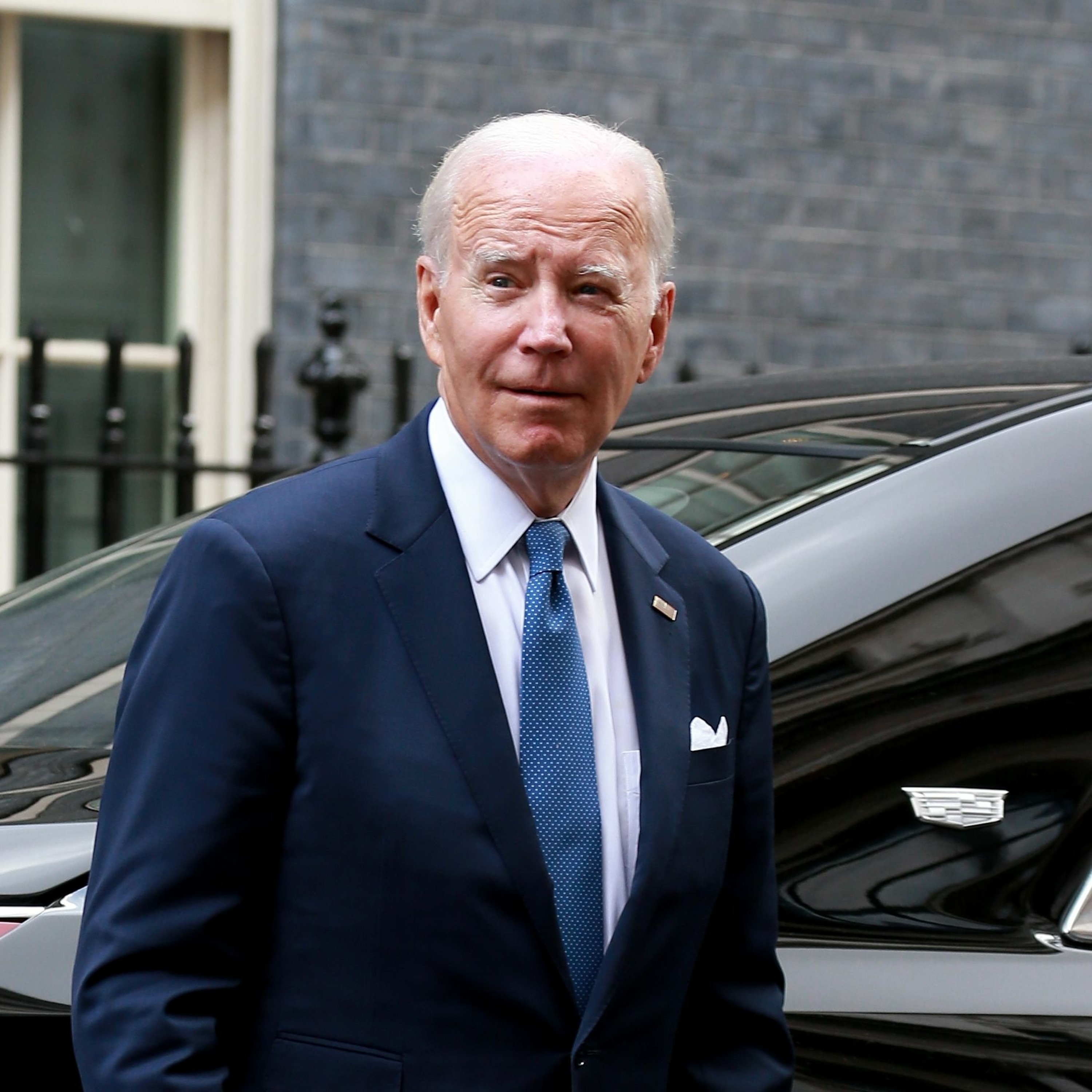
Do Voters Dislike Old Candidates
We are headed toward a replay of 2020, with the oldest candidates ever nominated for president. How much does candidate age matter in elections and how do…
 The Science of Politics
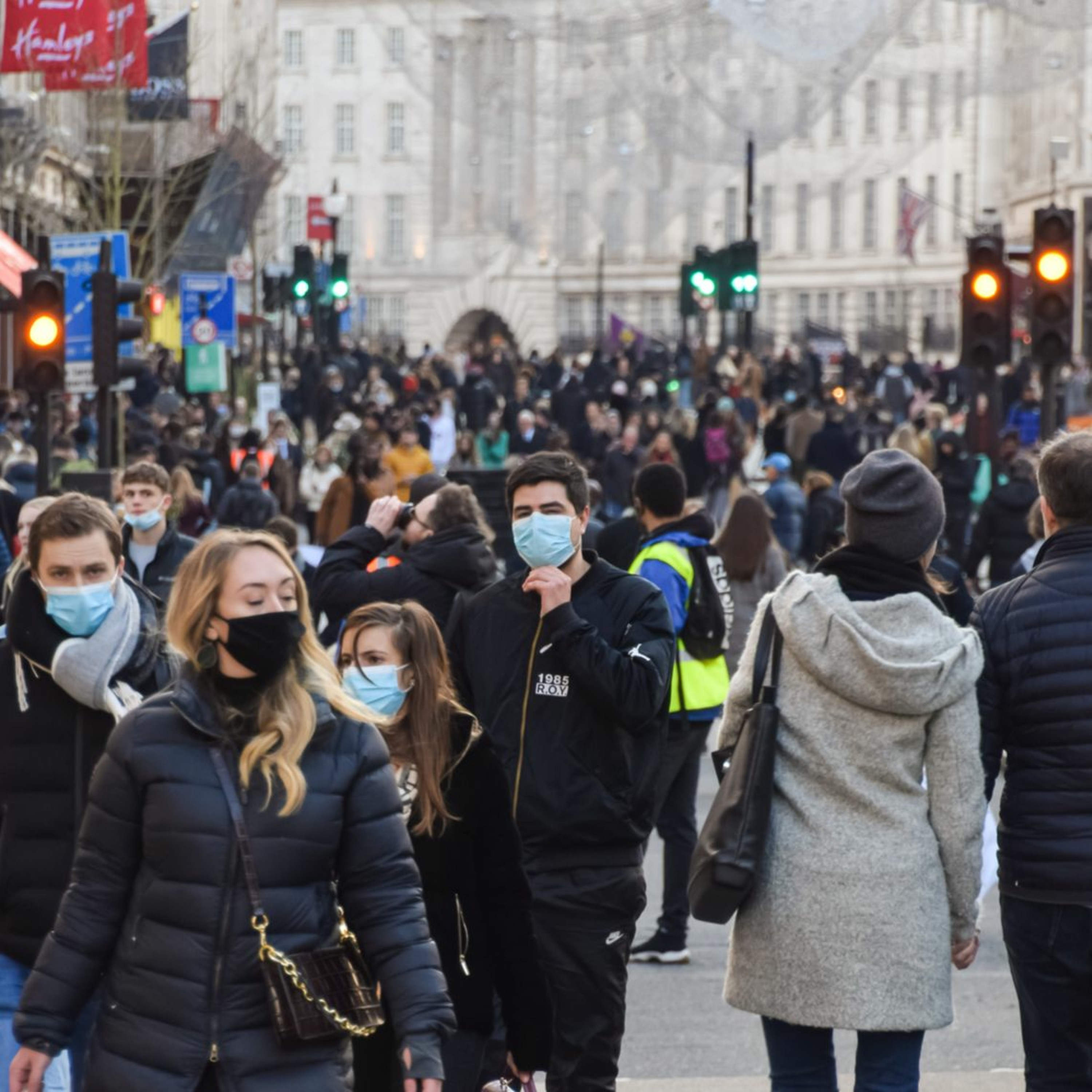
Lessons from the COVID-era Welfare Expansion
COVID brought expansions of social welfare programs and increased flexibility. But many of the changes expired. Now Congress is considering a bit of a revival…
 The Science of Politics
How Bureaucrats Deal with Political Chaos Above
With the prospect of a second emboldened Trump administration on offer, the administrative state is under attack. How well did the bureaucracy deal with Trump…
 The Science of Politics
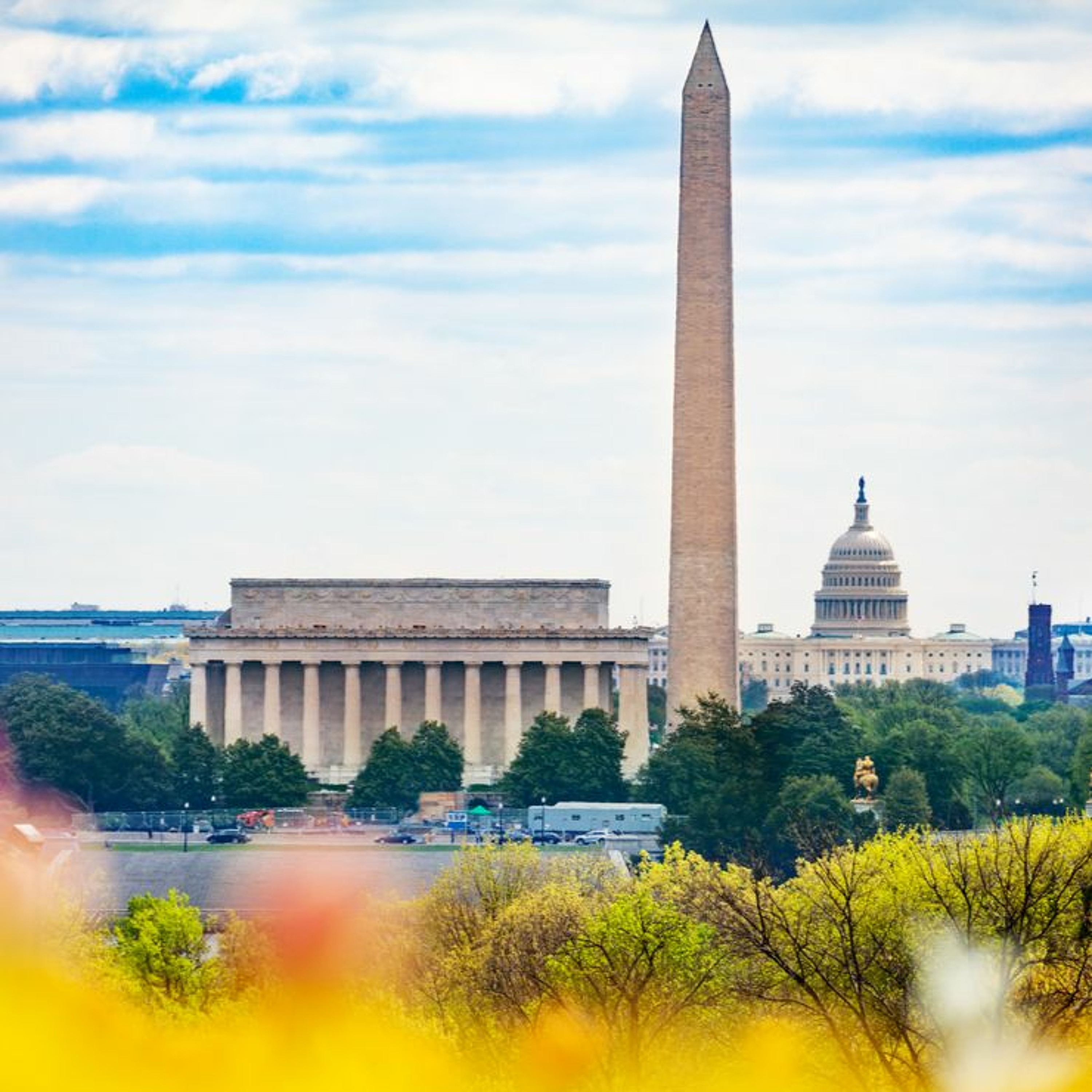
Elites Misperceive the Public
Are political elites in bubbles, out of touch with the American public, not recognizing how their views and conditions are not reflective of most people’s…
 The Science of Politics
The Deterioration of Congress
After a year of minimal lawmaking, the public is disappointed with Congress. And the members don’t seem very happy either, but they are not changing their…
 The Science of Politics
The Two Sides of Immigration Backlash
Voters are upset about disarray at the US-Mexico border and the increase in illegal crossings under President Biden. But they also reacted negatively to former…
 The Science of Politics
Previewing 2024: How Voters Judge Presidents
Despite relatively strong economic data, the public is sour, judging President Biden poorly and putting him even or below former President Trump in early…
 The Science of Politics
Do presidents have the power to act alone?
Courts have overruled key policy changes from President Biden acting alone. But Republicans are gearing up to enact a suite of policy changes on Day 1 of a…
 The Science of Politics
Why presidents still spend their time raising money.
Even with low approval, President Biden is still a big fundraising draw. In fact, presidents spend lots of time fundraising and the campaign is now year-round…
 The Science of Politics
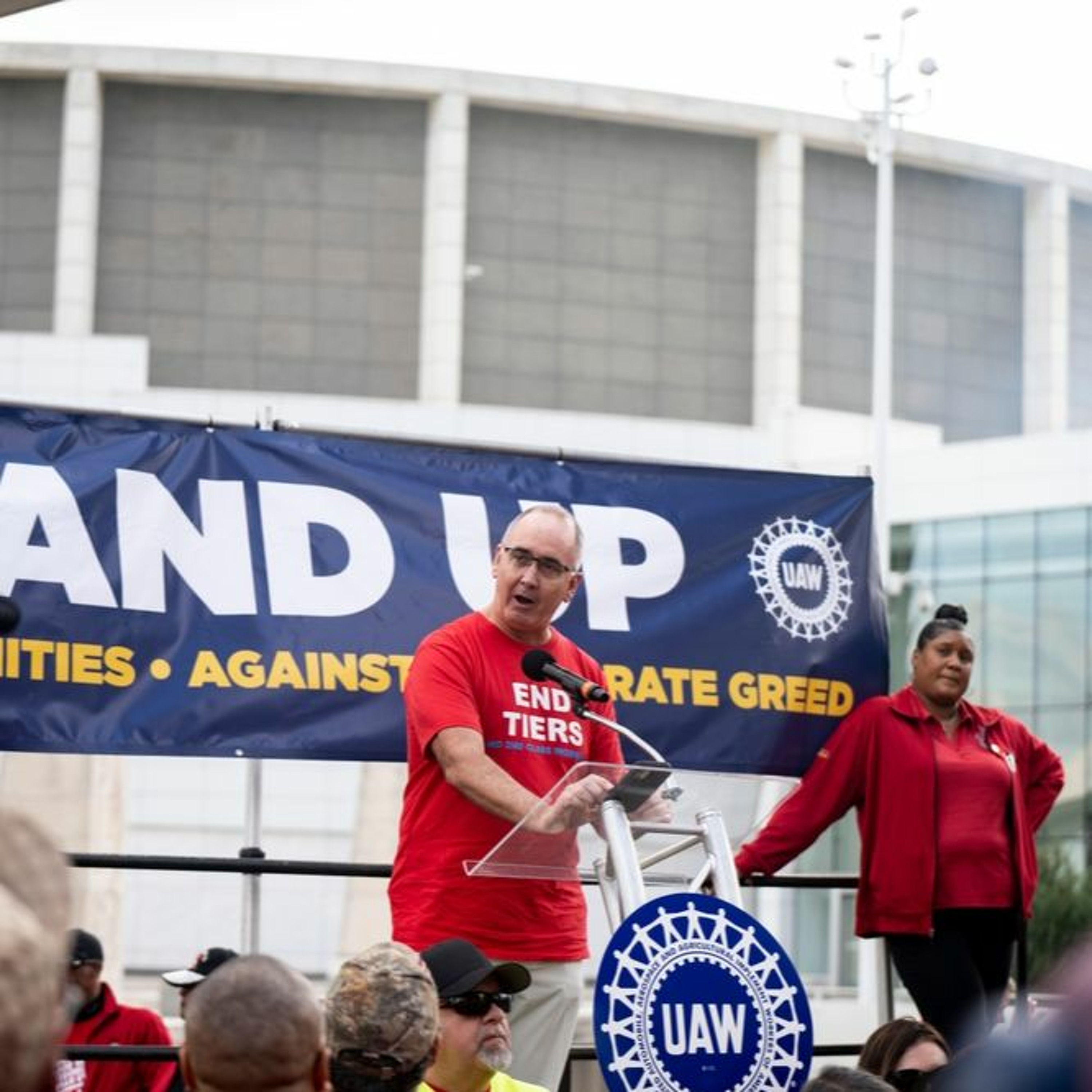
The decline of union Democrats
The United Auto Workers is gaining concessions and unions are generating public support with strikes this year. But Democrats have been losing voting share…
 The Science of Politics
What explains the diploma divide?
Voters with college degrees are increasingly supporting Democrats, with Republicans now doing better among those without college—a big reversal in recent…
 The Science of Politics
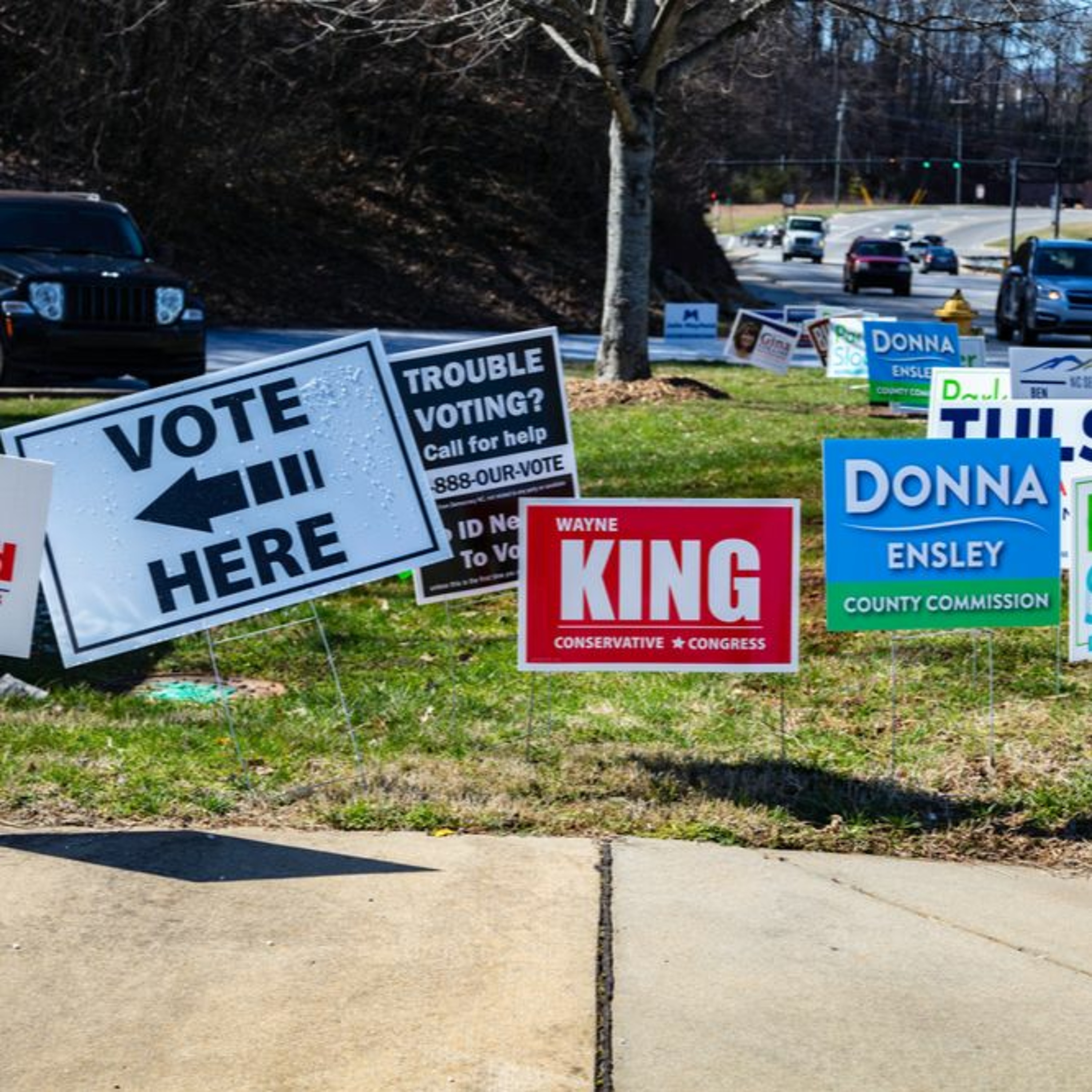
Can state politicians be held accountable to the public?
Most people don’t know who their state legislators are, much less what they are up to. So how do voters hold them accountable to public views? Steven Rogers…
 The Science of Politics
Partisan election administrators don't tip the scales
In the aftermath of the 2020 election, local election officials became objects of unfounded conspiracy theories and attacks. But local clerks, even those…
 The Science of Politics
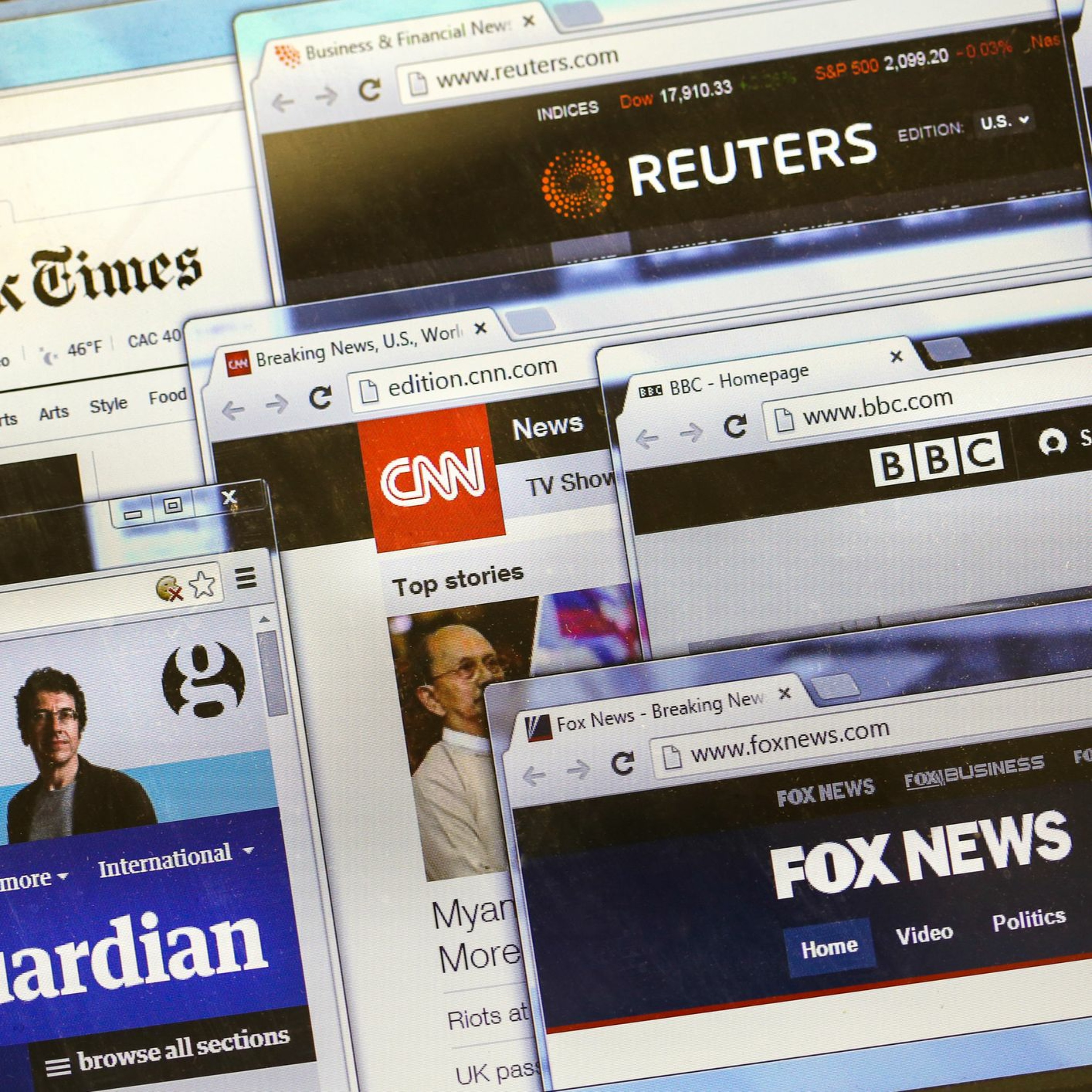
Do the media drive presidential primaries?
In 2016, Donald Trump dominated media coverage in the race for the Republican nomination and he is on track to do so again this time. Does the media react to…
 The Science of Politics
Are claims that social media polarizes us overblown?
Do our social media feeds polarize us, with algorithms that lure us into echo chambers and trap us with viral political content and misinformation? Andy Guess…
 The Science of Politics
Don't expect extreme weather to spur climate policy change
The hottest July on record is bringing big headlines, with scientists and activists hoping that Americans will notice the changing climate and call for policy…
 The Science of Politics
Has American business turned left?
American business used to be a common partner of Republicans. But the party claims that corporations have now gone “woke”, endorsing progressive values. Are…
 The Science of Politics
Will Supreme Court Opinions Provoke Public Backlash?
The Supreme Court made major conservative rulings this term but did not go as far as some expected. Are Court rulings out of step with public opinion? How much…
 The Science of Politics
Are We Overproducing Elites and Instability?
High levels of political violence and low levels of institutional support suggest we are in the midst of an age of discord. What can we learn from the cycles…
 The Science of Politics
How Parties Recruit and Limit Candidates
Before primary voters get input, local party leaders recruit and select candidates to run for office. Their views produce and limit voters' choices. Even if…
 The Science of Politics
The causes and effects of budgeting under threat
Why does the federal government budget under pressure in high-stakes showdowns like the debt ceiling deadline, especially when Republicans control Congress…
 The Science of Politics
How administrative burdens undermine public programs
Government administrators often write complex and interacting rules that make it harder to access public programs to improve health and social welfare. They…
 The Science of Politics
How to reduce partisan animosity
Republicans and Democrats dislike and misunderstand each other and anti-democratic attitudes are on the rise. But some strategies are effective for reducing…
 The Science of Politics
Why Scandals Don’t Add Up to Damage Candidates
Donald Trump is facing numerous legal challenges for misconduct, but it does not appear to be hurting him with Republican voters. Members of Congress like…
 The Science of Politics
How Black voters choose candidates
Black voters saved Joe Biden in the 2020 Democratic primary. They are the firm base of the Democratic coalition, despite a diversity of backgrounds and…
 The Science of Politics
How debates over diversity and equity came to dominate education politics
Republican governors like Ron DeSantis have elevated critiques about racial and gender politics in schools and universities to the center of American politics…
 The Science of Politics
Racial minorities can win elections. Here's what's holding them back.
As the U.S. diversifies, political representation is not keeping pace. But that doesn’t mean we can blame the voters. Black and Hispanic candidates do win…
 The Science of Politics
Changing how we elect presidents
Democrats are dramatically shaking up the presidential nomination system, dislodging Iowa and New Hampshire to enshrine a new calendar. How much difference…
 The Science of Politics
How Congress communicates
Congress is hiring more communications staff than ever, trying to influence the public debate and keep up with the social media conversation. Does their public…
 The Science of Politics
Do moderate voters matter?
Do polarized politics leave anyone left in the middle? Anthony Fowler finds that most Americans’ political views fall between the opinions of Democratic and…
 The Science of Politics
Judging Biden and Congress
President Biden’s first two years with a narrow Democratic Congress brought big ambitions and substantial new policy. As we now shift to a Republican House…
 The Science of Politics
The influence of Twitter on journalism and politics
Elon Musk’s takeover of Twitter is producing a firestorm of controversy, especially among journalists, political professionals, and academics. But how did…
 The Science of Politics
How party leaders change Congress
Democrats and Republicans are electing new leaders for their parties in the U.S. House and Senate, as a new era begins with the replacement of Speaker Nancy…
 The Science of Politics
How Early Voting is Changing American Elections
Many Americans are now voting before Election Day. Does early voting and voting by mail increase turnout or help one party? Does early voting data allow us to…
 The Science of Politics
Does the 2022 election show how Democratic campaigns win?
Democrats did far better than expected in the 2022 midterm election, especially in swing states and districts. Do the early results provide new data on the…
 The Science of Politics
How we connect our political beliefs
People who are pro-choice on abortion also tend to be against the death penalty. But are those beliefs internally connected? Would changing one belief change…
 The Science of Politics
When partisanship forms our identity
We seem to have become partisan animals, with Republican or Democratic identification now tied to all of our other social identities and political attitudes…
 The Science of Politics
How Misperceptions and Online Norms Drive “Cancel Culture”
How Misperceptions and Online Norms Drive “Cancel Culture” by Niskanen Center
 The Science of Politics
When Information About Candidates Persuades Voters
As voters are inundated with campaign advertising and news coverage, can they learn key information through all the noise? Joshua Kalla tests hundreds of…
 The Science of Politics
When Public Opinion Goes to the Ballot Box
Public opinion polls often show large majorities in favor of hypothetical changes in public policy, such as universal background checks for gun purchases. But…
 The Science of Politics
How primary elections enable polarized amateurs
In the 2022 primary elections, many incumbent legislators have lost their seats to more extreme candidates, and Trump-endorsed newcomers are winning races…
 The Science of Politics
Is democracy declining in the American states?
Federalism is supposed to allow policy to vary with local opinion and circumstances. But American politics has nationalized, with many seeing states as arenas…
 The Science of Politics
The past and future of polling
The polls were off more than usual in the last presidential election and the polling industry is suffering from low response rates, mode changes, and…
 The Science of Politics
Why the baby boomers rule American politics
A diverse young generation is ready to change our politics and culture, but our congressional leadership and presidential options remain geriatric. It's not…
 The Science of Politics
Did the Birchers win after all?
Did the Birchers win after all? by Niskanen Center
 The Science of Politics
How much are polls misrepresenting Americans?
Declining response rates for polls mean we must rely on the shrinking minority of Americans that agree to be interviewed to represent the broader public. Josh…
 The Science of Politics
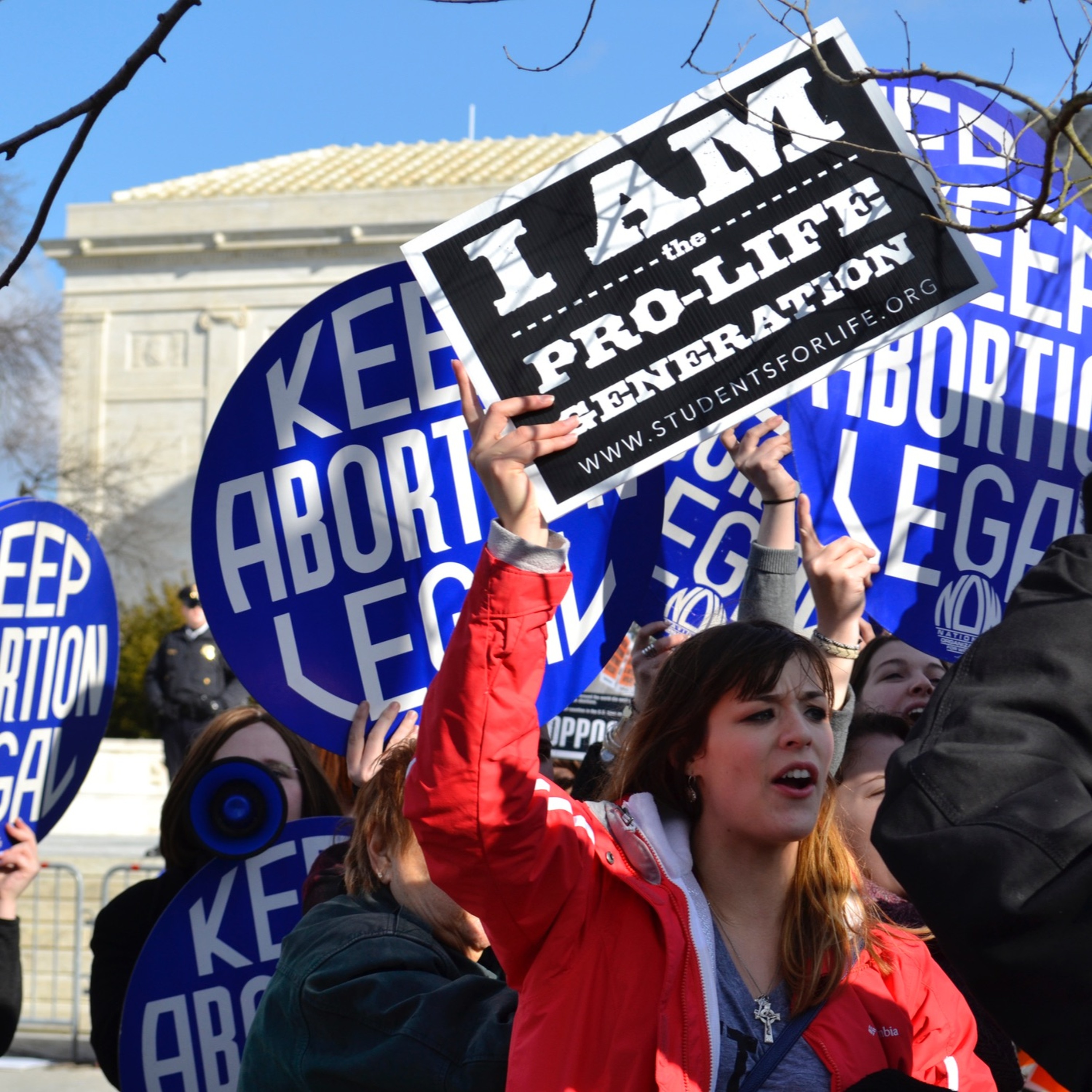
Abortion politics take center stage
A leaked Supreme Court opinion suggests that Roe v. Wade may be overturned this summer, forthrightly moving abortion policymaking to the states. The states…
 The Science of Politics
Women in (and out of) Politics
Women are underrepresented in American political institutions, despite the positive track record of women in office and the willingness of voters to support…
 The Science of Politics
Did economists move the Democrats to the right?
American public policy includes a lot of economistic thinking. Policy analysts weigh costs and benefits, use economic projections and models, and try to…
 The Science of Politics
Descriptive Representation in Supreme Court Nominations
Judge Ketanji Brown Jackson seems likely to be confirmed for the Supreme Court, fulfilling President Biden's campaign promise to elevate the first Black woman…
 The Science of Politics
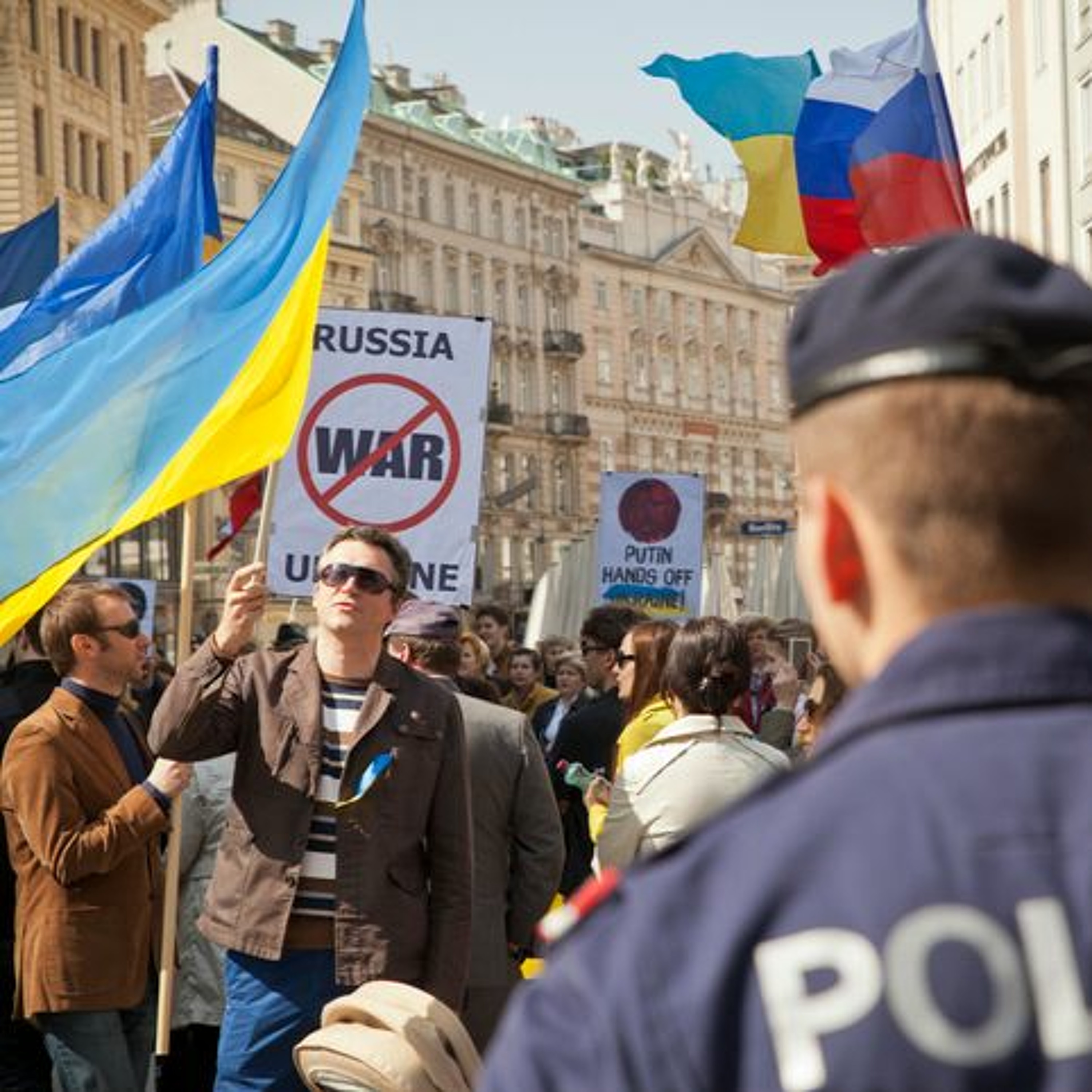
Putin’s War and Personalist Authoritarianism
Guest: Erica Frantz, Michigan State University Russia’s invasion of Ukraine shows how the incentives and views of dangerous leaders drive world events. The…
 The Science of Politics
Policymakers Follow Informed Expertise
Guests: Adam Zelizer, the University of Chicago; Christian Fong, University of Michigan Studies: “Is Position Taking Contagious?”; “Expertise, Networks, and…
 The Science of Politics
How Does the Public Move Right When Policy Moves Left?
Public opinion tends to move in the opposite direction of policy. But how does the public learn that policy is changing, enabling their adjustment? And does a…
 The Science of Politics
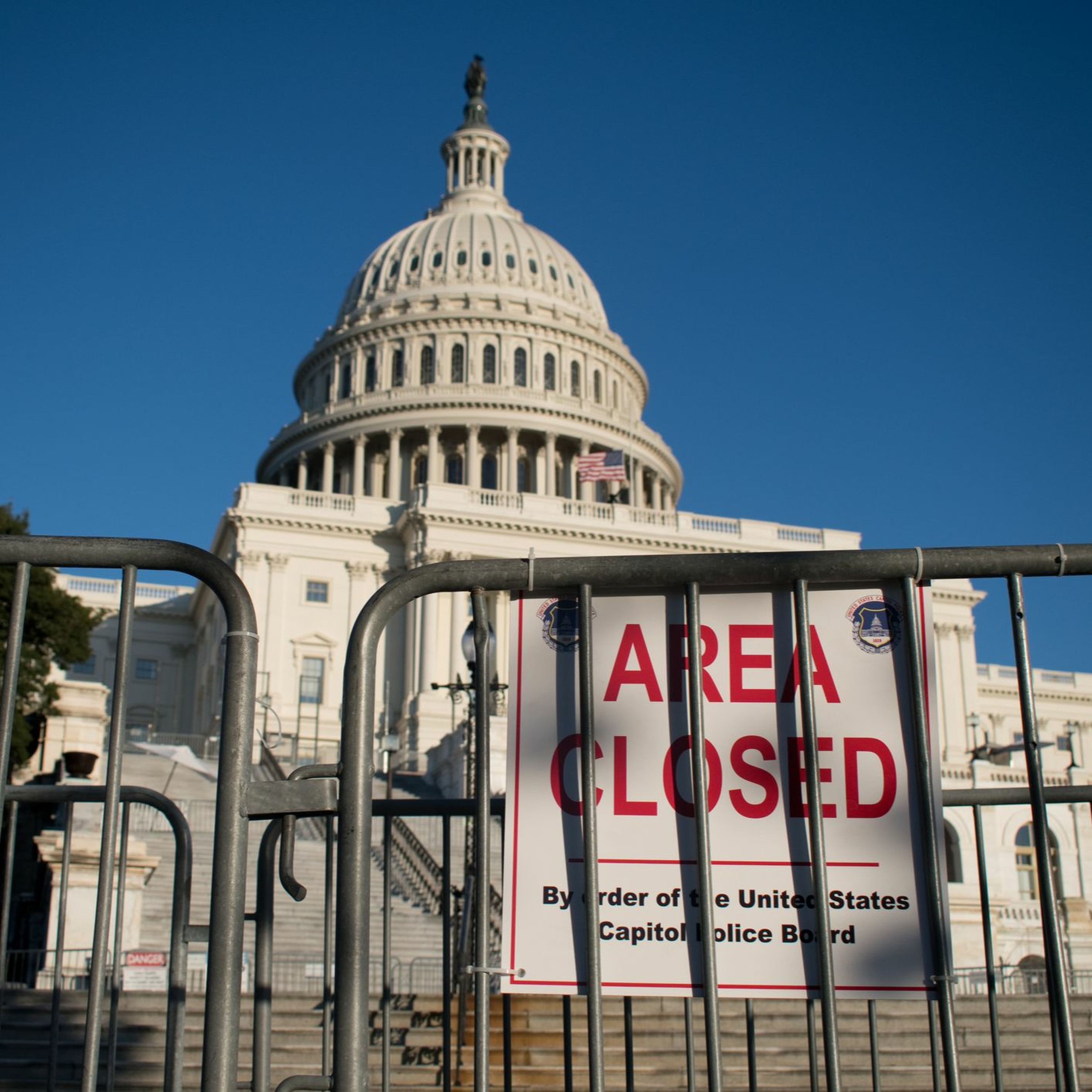
Does the Public Respond to Threats to Democracy?
Advanced democracies are backsliding. Can we count on the public to save them? Democratic principles may be widely shared, but that does not mean citizens…
 The Science of Politics
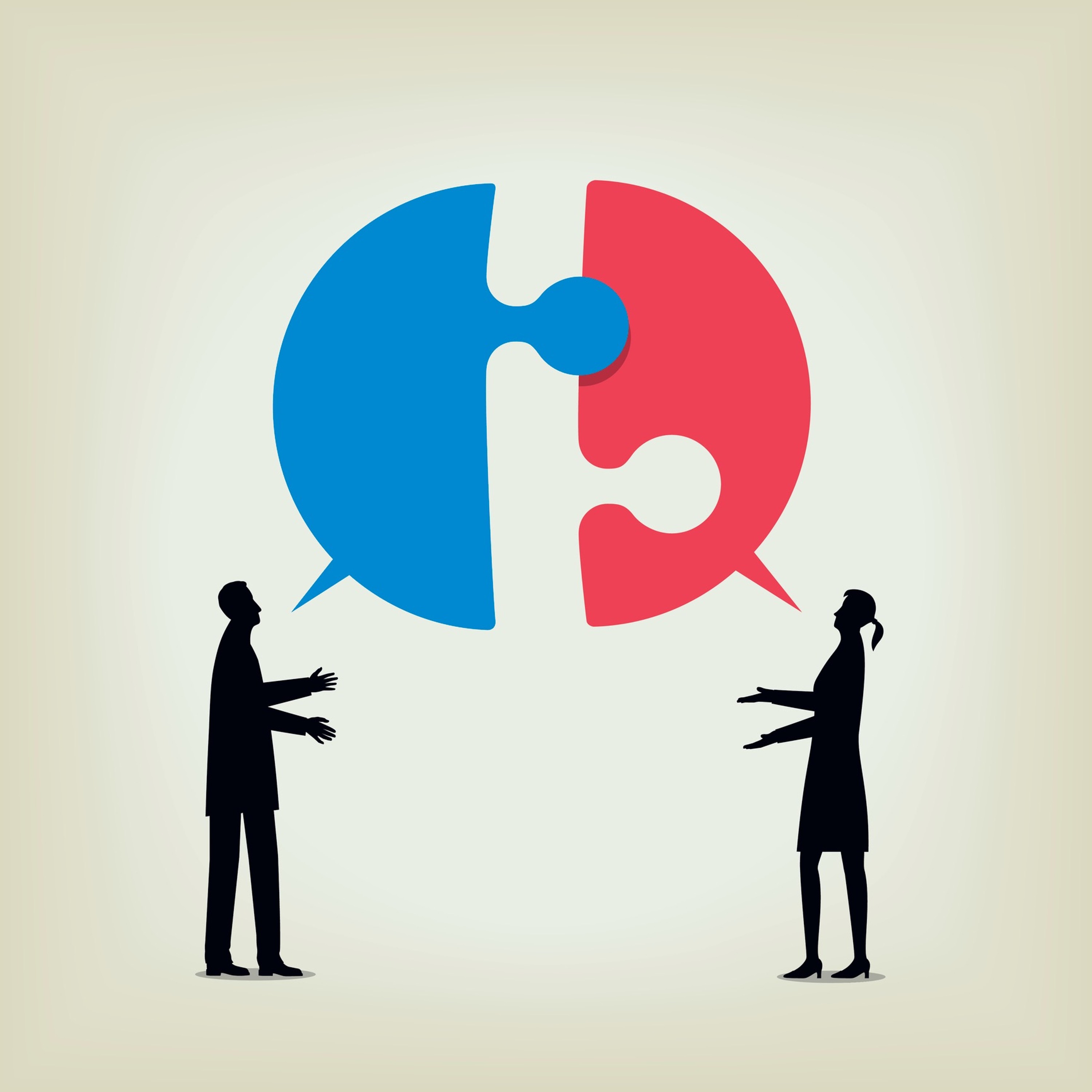
U.S. Politics: The Hyper-Involved vs. The Disengaged
Do Democrats and Republicans hate each other? Perhaps that only applies to a small proportion of Americans, but they get all the attention because they are the…
 The Science of Politics
U.S. Democratic Decline in Comparative Perspective
U.S. Democratic Decline in Comparative Perspective by Niskanen Center
 The Science of Politics
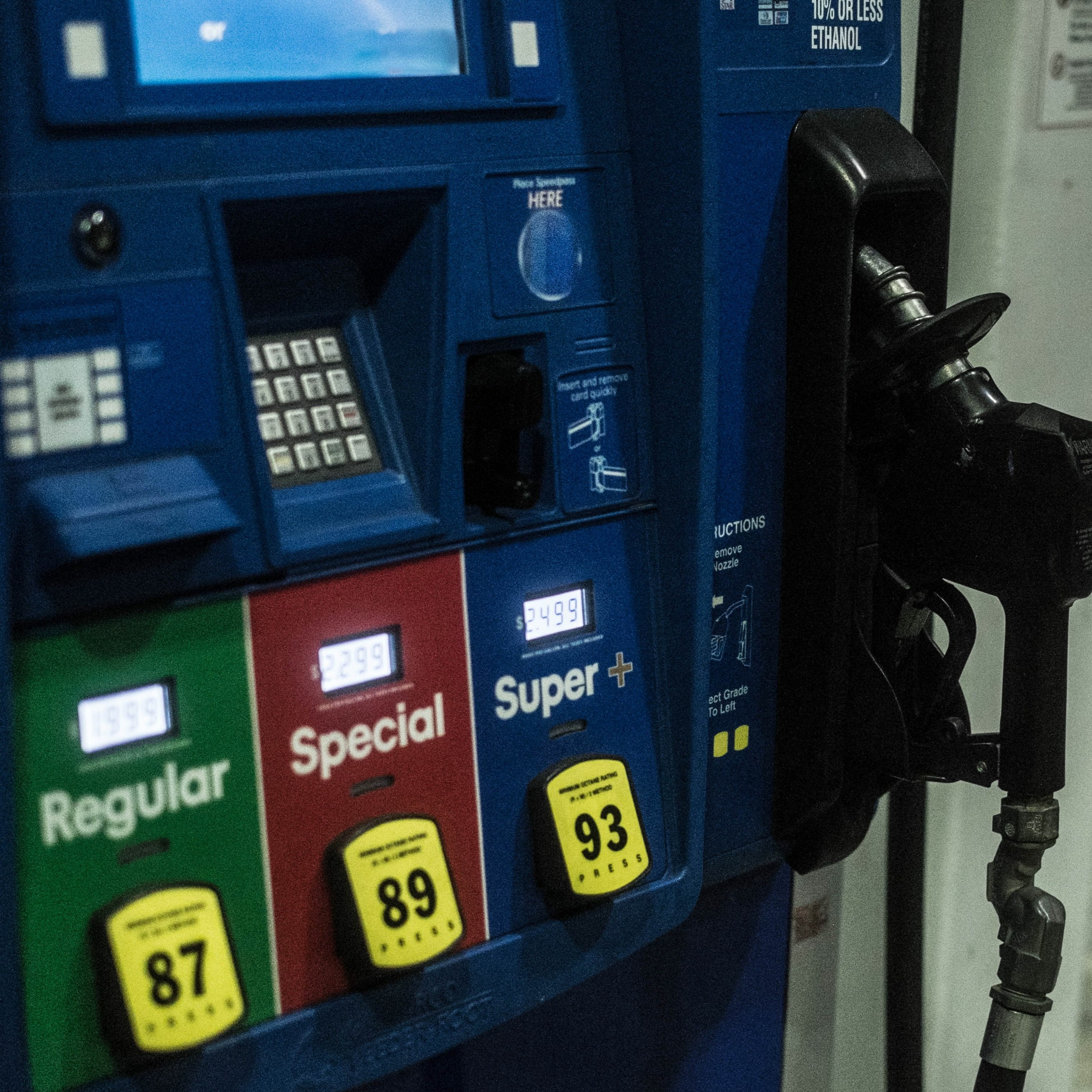
Inflation Hurts Presidents, Especially Gas Prices—And It’s Not the Media’s Fault
Inflation is high, and President Biden's approval is low. News stories are focused on the rising prices at the pump, upsetting voters. But don't blame the…
 The Science of Politics
How Politics Changes Our Racial Views and Identities
Americans’ views on race are polarizing based on our partisan sides. But that does not mean our views on race are the factor driving our political decisions…