Shows / The Science of Politics
The Science of Politics
The Niskanen Center’s The Science of Politics podcast features up-and-coming researchers delivering fresh insights on the big trends driving American politics today. Get beyond punditry to data-driven understanding of today’s Washington with host and political scientist Matt Grossmann. Each 30-45-minute episode covers two new cutting-edge studies and interviews two researchers. We welcome your thoughts on this episode and the podcast as a whole. Please send feedback or suggestions to…
Episodes
 The Science of Politics
Childcare and Pre-K Expansion: Consensus or Polarization?
Democrats in Congress are working to pass federal support for universal pre-kindergarten and highly subsidized childcare without Republican support. But the…
 The Science of Politics
What Makes a Skilled and Conscious Mayor?
Many new mayors were just elected. Will they bring best practices in management or more attention to racial inequities ? Julia Payson finds that mayors’ public…
 The Science of Politics
Can Democrats Design Social Programs that Survive?
Democrats are deciding how to trim their reconciliation bill, considering expiring programs, means testing eligibility, and using tax credits rather than…
 The Science of Politics
The Future of the Biden Agenda in Congress
Will Congress pass Biden’s $3.5 trillion reconciliation package? Is there hope for criminal justice or immigration reform, or will the Senate filibuster block…
 The Science of Politics
How the Left and Right Undermined Trust in Government
How the Left and Right Undermined Trust in Government by Niskanen Center
 The Science of Politics
How the Media Economy Drives Political News
How the Media Economy Drives Political News by Niskanen Center
 The Science of Politics
Why Lawyers Rule American Politics
Lawyers control the American court system, stock the administration, and even dominate our legislatures. They designed the institutions to ensure they’d…
 The Science of Politics
The Growing Influence of the Non-Religious
Fewer Americans are identifying as Christians and more have no religious affiliation. How will secular Americans transform politics? Ryan Burge tracks the…
 The Science of Politics
The Role of Political Science in American Public Life
For a special edition celebrating the 100th episode of the Science of Politics, Matt talks with Ezra Klein about how well political science informs American…
 The Science of Politics
Why Rising Inequality Doesn't Stimulate Political Action
Economic inequality is high and rising, but Americans aren’t clamoring for government action to address it. Nathan Kelly finds that rising economic inequality…
 The Science of Politics
Reducing Polarization with Shared Values
Do Democrats and Republicans now hate the other side with no way to breakthrough? Or can we tone down our social divides with shared values? Jon Kingzette…
 The Science of Politics
Do Congressional Committees Still Make Policy?
Congressional action now seems to be mostly about building partisan floor majorities, with committees doing more grandstanding and less legislating. But there…
 The Science of Politics
Can TV News Keep Politics Local?
Most of the politics voters see are national and presidential. Local television news can help Americans learn about state and local politics, but it is…
 The Science of Politics
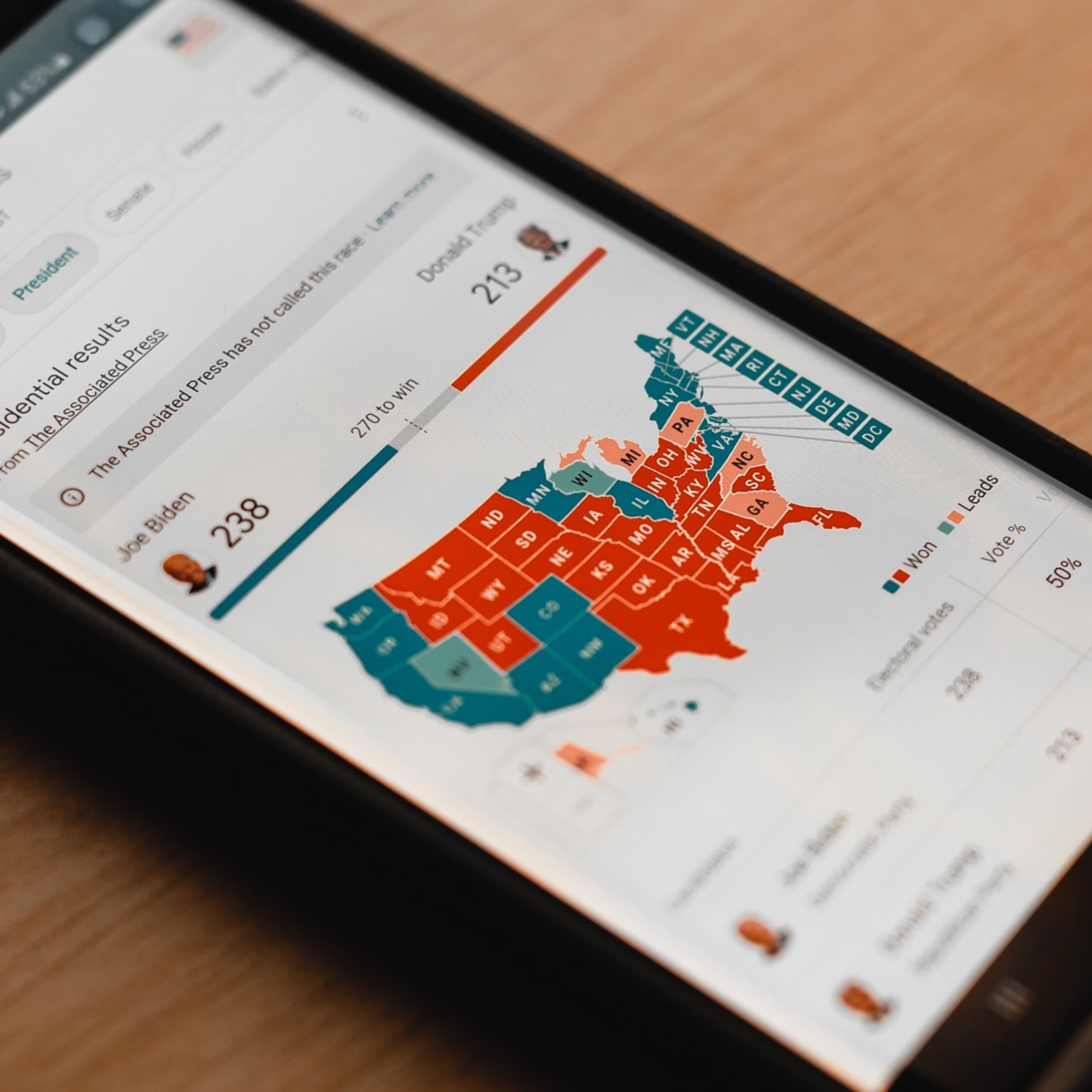
Is Demographic and Geographic Polarization Overstated?
Is Demographic and Geographic Polarization Overstated? by Niskanen Center
 The Science of Politics
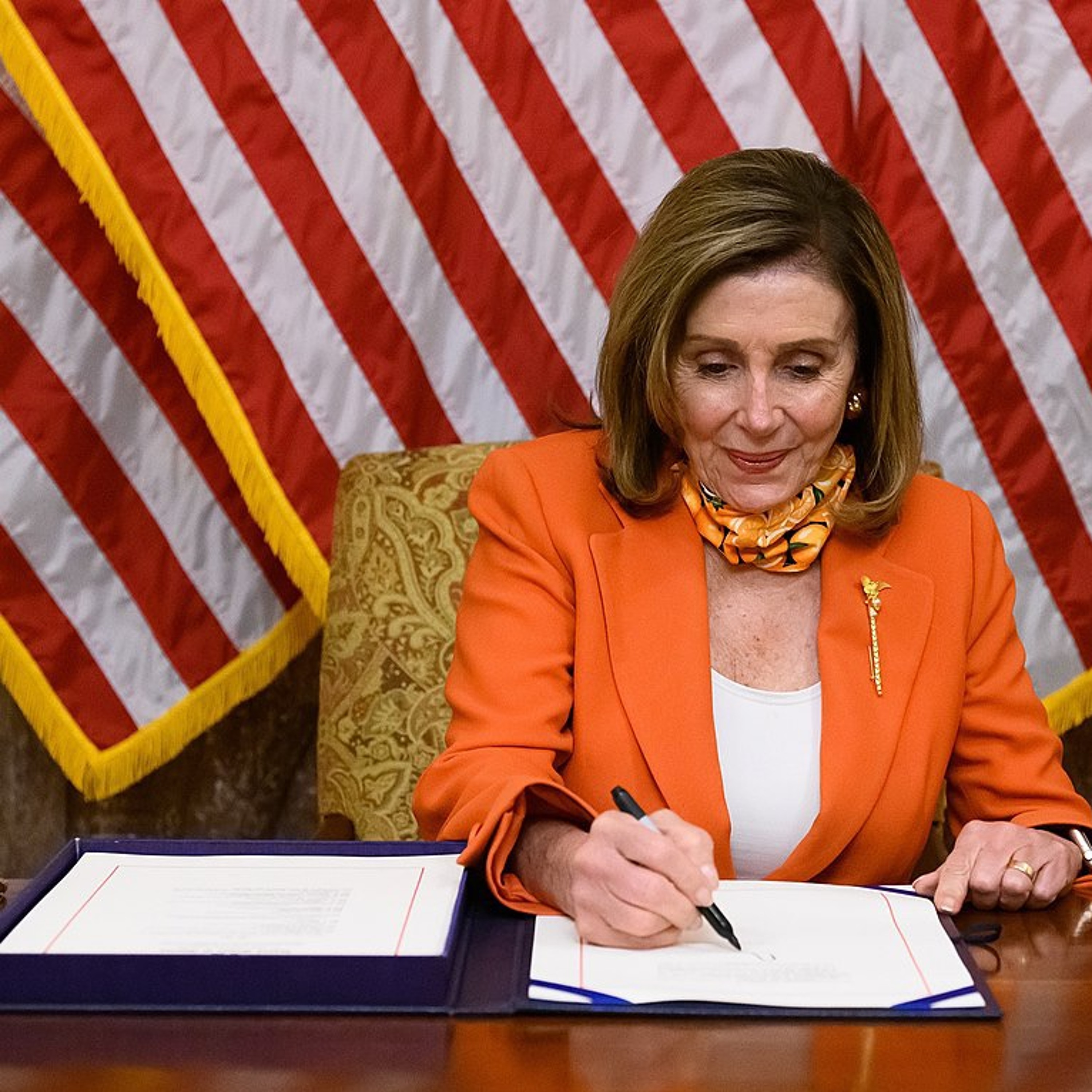
How Voters Judge Congress
Americans love to hate Congress and legislators often seem to ignore public views. But it turns out constituents do judge their representatives on the policies…
 The Science of Politics
Conspiracy Beliefs are Not Increasing or Exclusive to the Right
Supporters of the QAnon conspiracy theory were implicated in the January 6th storming of the Capitol. Former supporters have even been elected to Congress. Is…
 The Science of Politics
The Resilience of the Filibuster and its Myths
Democrats have full control of government but the Senate filibuster is blocking large agenda items. How likely is reform and what would it look like? What does…
 The Science of Politics
Values and Racism in American Immigration Views
Biden is abruptly shifting immigration and refugee policies from Trump, facing new blowback. Are public views rooted in anti-Latino racism or a broader…
 The Science of Politics
How Media Coverage of Congress Limits Policymaking
Advocates and legislators often want to generate media attention for their preferred legislation, but that does not help pass bills in Congress. Mary Layton…
 The Science of Politics
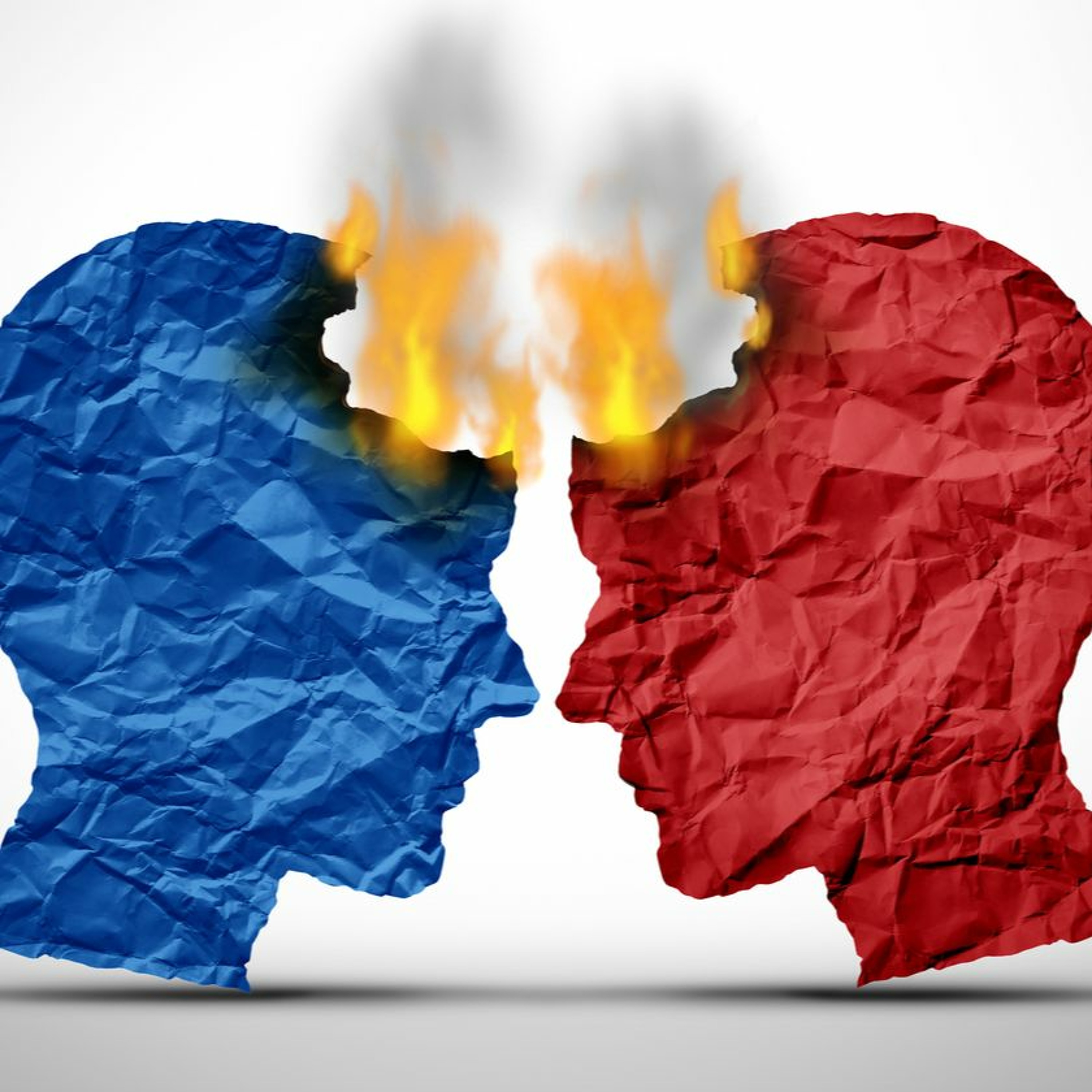
How Political Values and Social Influence Drive Polarization
How Political Values and Social Influence Drive Polarization by Niskanen Center
 The Science of Politics
When Partisans Endorse Violence
Some Republican voters supported the January 6th storming of the capitol, raising fears that the U.S. will continue to escalate violent extremism, moving…
 The Science of Politics
Right-Wing Extremism and the Capitol Insurrection
Violent right-wing extremism again came to America's attention in the Capitol insurrection, including organized militia groups and white supremacists. How did…
 The Science of Politics
The Politics of School from Home
The Politics of School from Home by Niskanen Center
 The Science of Politics
How Much Did Trump Undermine U.S. Democracy?
Will Trump do lasting damage to American democratic institutions? He has repeatedly broken norms during his presidency and tried to overturn the results of the…
- The Science of Politics
How Presidential Appointments Reveal Policy Goals and Elite Interests
President-elect Joe Biden is choosing his cabinet, prioritizing government experience and diversity. President Trump instead appointed corporate executives and…
 The Science of Politics
Why Latinos Moved Toward Trump (and Why Most Are Still Democrats)
Trump shrunk Democrats’ advantage with Latino voters this year. Why do Latino voters usually support Democratic candidates by large margins and why did they…
 The Science of Politics
Compromise Still Works in Congress and with Voters
2021 will feature closely divided Congress and a new president. Will Congress compromise to get anything done? Frances Lee finds that majority parties in…
- The Science of Politics
Interpreting the Early Results of the 2020 Election with G. Elliott Morris
What can the 2020 election teach us about polling and politics? On the afternoon after Election Day, Matt Grossmann hosts the first-ever live edition of the…
 The Science of Politics
How Court Nominations Polarize Interest Groups and Voters
Interest groups on both sides were ready for battle when President Trump nominated Amy Coney Barret to the Supreme Court. As Republicans vote to confirm her…
 The Science of Politics
Why Do Americans Accept Democratic Backsliding?
As Election Day approaches, Trump intimidation efforts are increasing and Americans in both parties are worried that the other side could use unfair tactics to…
 The Science of Politics
Racial Protest, Violence, and Backlash
Racial Protest, Violence, and Backlash by Niskanen Center
 The Science of Politics
How Rich White Residents and Interest Groups Rule Local Politics
National politics gets all the attention, but many important decisions--from police reform to housing development to tackling inequality--are made by local…
- The Science of Politics
How the Plutocrats Win from the Populist Right
The Republican Party runs populist culturally conservative campaigns, but its policymaking mainly benefits the already well-off. In a time of rising economic…
- The Science of Politics
The Roots of the Parties' Racial Switch
Today, Black Americans are the strongest Democratic constituency and White Southerners are the strongest Republican group—but it used to be the other way…
- The Science of Politics
How Donor Opinion Distorts American Parties
Billions of dollars in donations will flow to candidates this year. Citizens suspect all that money buys the donors' influence. But just how different are…
- The Science of Politics
How the Supreme Court Shapes (and is Shaped by) its Public Support
The Supreme Court finished its term with a flood of momentous decisions, tacking to the center with Chief Justice John Roberts crafting most of the majorities…
- The Science of Politics
How Overpoliced Communities Become Politically Engaged
Protests over police brutality have gripped the nation. But how do racial minorities in highly policed communities think about political action and mobilize to…
 The Science of Politics
How Republicans Lost 2018 by Being Too Close to Trump
Republicans lost control of the House in 2018 and now could lose the Senate this year. Their fortunes seem tied to Trump and his agenda, but new research…
- The Science of Politics
How Protests Change Parties and Elections
Protests are heating up over police brutality in the middle of a presidential election year. Can protests change election outcomes or the future of the…
 The Science of Politics
How Much Do Vice Presidential Running Mates Matter?
Joe Biden is about to select his vice-presidential running mate, having pledged to choose a woman. Will the pick change his chance of victory or the future of…
- The Science of Politics
What Became of Never Trump Republicans?
President Trump has consolidated Republican support in Congress and the wider party network, despite a lot of initial concerns. Whatever became of the Never…
- The Science of Politics
Republicans Successfully Politicized Ebola. Can They Do it Again in 2020?
Donald Trump is trying to link the COVID-19 pandemic to fear of immigration. There is precedent for linking infectious disease to that issue and winning…
- The Science of Politics
Why are Black Conservatives Still Democrats?
Many African-Americans see themselves as conservatives and hold conservative policy positions. But Black voters overwhelmingly identify as Democrats and vote…
 The Science of Politics
How Anxiety and Crises Change Our Political Behavior
The COVID-19 coronavirus has upended American’s lives and heightened our anxieties. That’s likely to have a lot of political consequences. How do Americans…
- The Science of Politics
How News and Social Media Shape American Voters
How did concerns about Hillary Clinton dominate voters' concerns in 2016, despite the scandal- & gaffe-prone campaign of Donald Trump? Did media coverage and…
- The Science of Politics
How Record Television Advertising Is Shaping American Elections
Michael Bloomberg is setting records for television advertising spending in the 2020 presidential primaries and we expect more records in the general election…
- The Science of Politics
How to Build Institutions, Not Political Hobbies
Americans have lost faith in our political and community institutions. Our leaders are increasingly performing for the crowd, rather than improving the…
 The Science of Politics
Can America Become a Multiparty System?
Americans dislike the two major parties, which are fighting more and compromising less. But Does that open the way for the rise of third parties and the huge…
 The Science of Politics
Did Americans' Racial Attitudes Elect Trump?
The emerging consensus is that Donald Trump won the 2016 election by divisively appealing to voters’ views on race and immigration. But Justin Grimmer and Will…
 The Science of Politics
Women's Voting Over 100 Years
2020 marks the 100th anniversary of the ratification of the 19th amendment guaranteeing women's suffrage. Christina Wolbrecht of Notre Dame and Kevin Corder of…
- The Science of Politics
Will Trump Anger Motivate Black Turnout?
Black turnout was down in 2016, costing Hillary Clinton pivotal votes and raising questions about whether post-Obama Democrats can mobilize Black voters. We…
- The Science of Politics
Do Republicans and Democrats Get Different Results?
Republican and Democratic politicians offer very different agendas and proposals, but do they translate into real differences in outcomes? John Holbein finds…
- The Science of Politics
Do Early Primary States Still Pick Presidents?
Although the 2020 presidential candidates are investing huge shares of their time and resources in Iowa and New Hampshire, new research suggests early-state…
 The Science of Politics
The Electoral Effects of Impeachment
The House is moving toward impeachment. What are the electoral risks for Democrats in pursuit and Republicans in defense of President Trump? We learn from…
 The Science of Politics
How Trump Politicized Refugees
How Trump Politicized Refugees by Niskanen Center
- The Science of Politics
How Bureaucrats Make Good Policy
Most policymaking occurs in federal agencies, rather than Congress, and interest groups know that’s where the action is. That’s led many to fear that agencies…
- The Science of Politics
Have Conservatives Transformed the States?
Republicans have gained a lot of electoral ground in the states, while building an impressive infrastructure of conservative organizations to push policy…
- The Science of Politics
The American Public's Growing Ideological Sophistication
The American Public's Growing Ideological Sophistication by Niskanen Center
- The Science of Politics
Why Americans Dislike Government, Even When It Works
Americans mistrust services provided by the public sector, even though they increasingly rely on government programs. Amy Lerman finds that citizens perceive…
- The Science of Politics
How Presidential Debates Influence Voters
When and why do presidential debates change voter views? How, if at all, did they help Donald Trump last time? Ethan Porter finds that the post-debate…