Shows / The Science of Politics
The Science of Politics
The Niskanen Center’s The Science of Politics podcast features up-and-coming researchers delivering fresh insights on the big trends driving American politics today. Get beyond punditry to data-driven understanding of today’s Washington with host and political scientist Matt Grossmann. Each 30-45-minute episode covers two new cutting-edge studies and interviews two researchers. We welcome your thoughts on this episode and the podcast as a whole. Please send feedback or suggestions to…
Episodes
 The Science of Politics
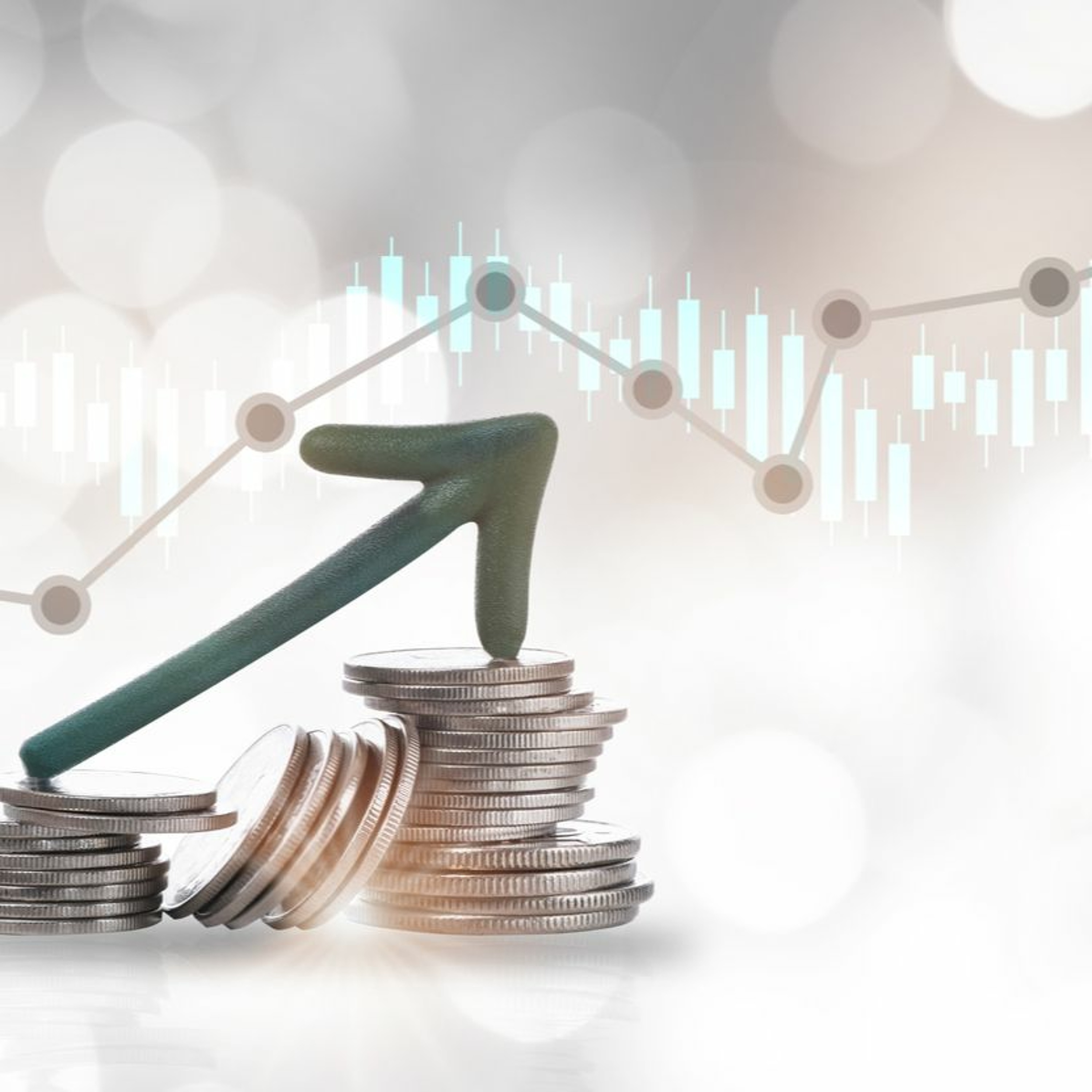
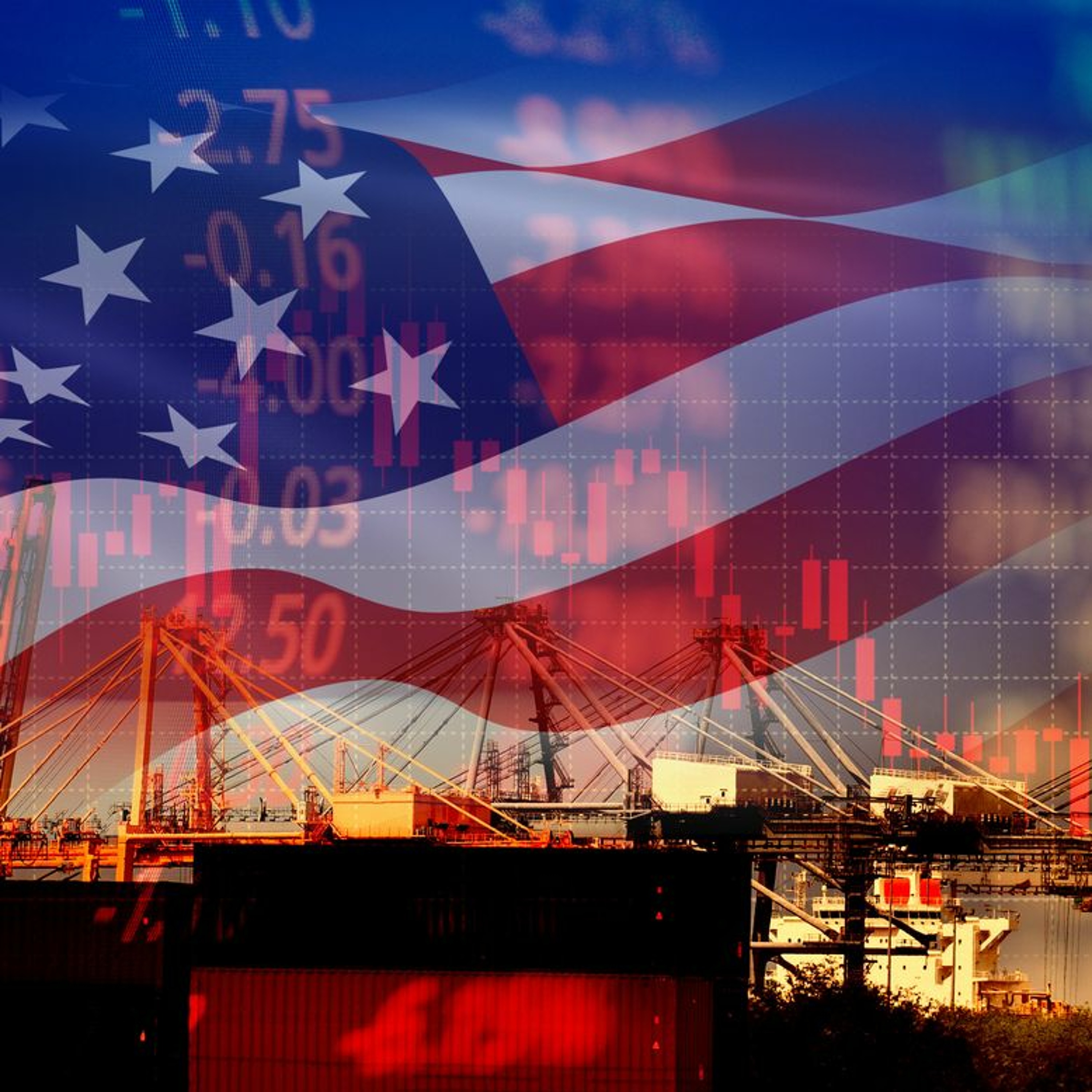
Ep 48: Will a Good Economy Save Trump?
Conventional wisdom holds that Trump won the 2016 election by appealing to voters left behind in Obama's economy and may win re-election based on a stronger…
 The Science of Politics
Explaining the Urban-Rural Political Divide
Our geographic divides are central to contemporary politics, including the election of Donald Trump. Election maps show dense liberal cities in a sea of…
 The Science of Politics
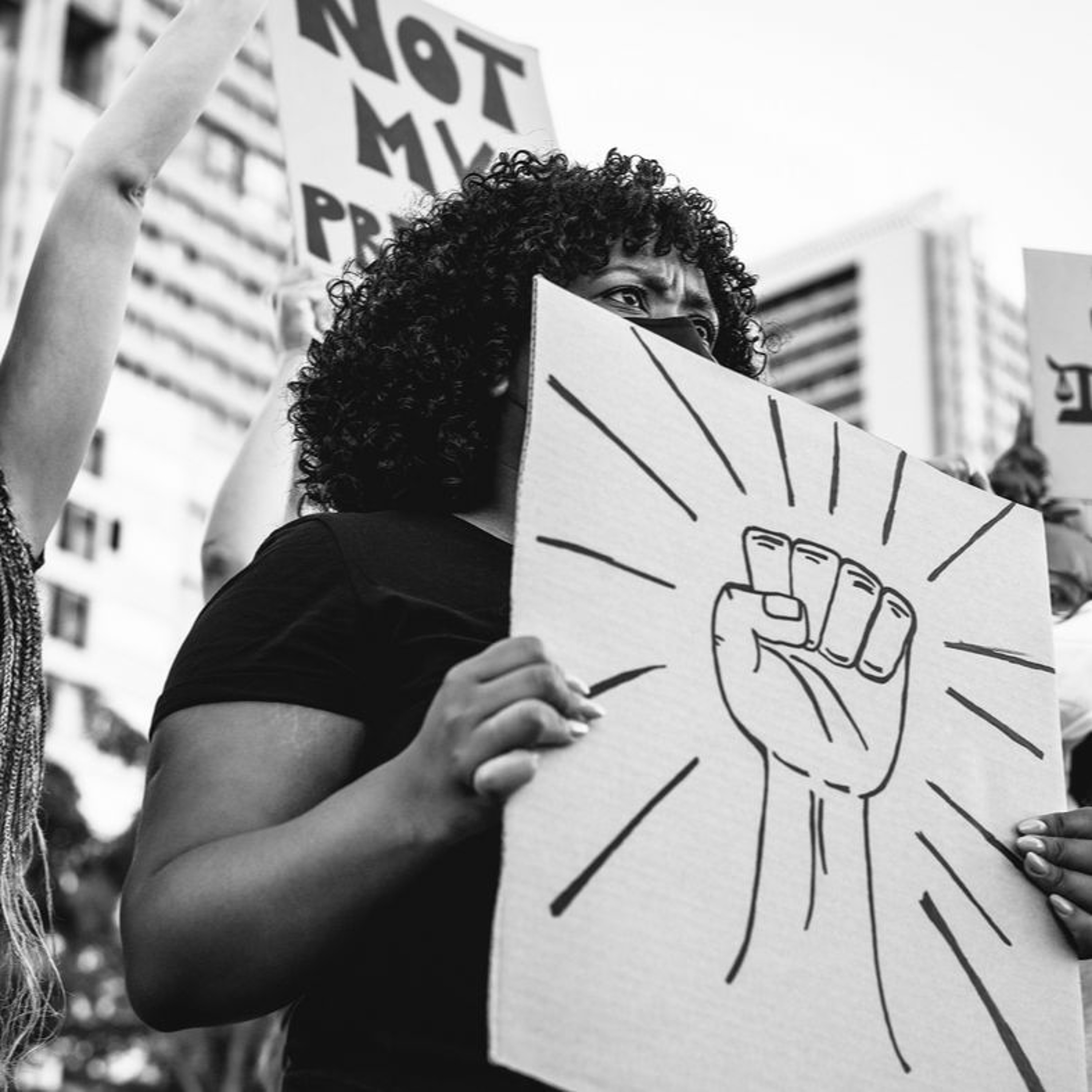
Can Diversity and Liberalism Rise Together?
White liberals are quickly moving leftward on racial issues in what has been called “The Great Awokening.” Zach Goldberg finds that white liberals are greatly…
 The Science of Politics
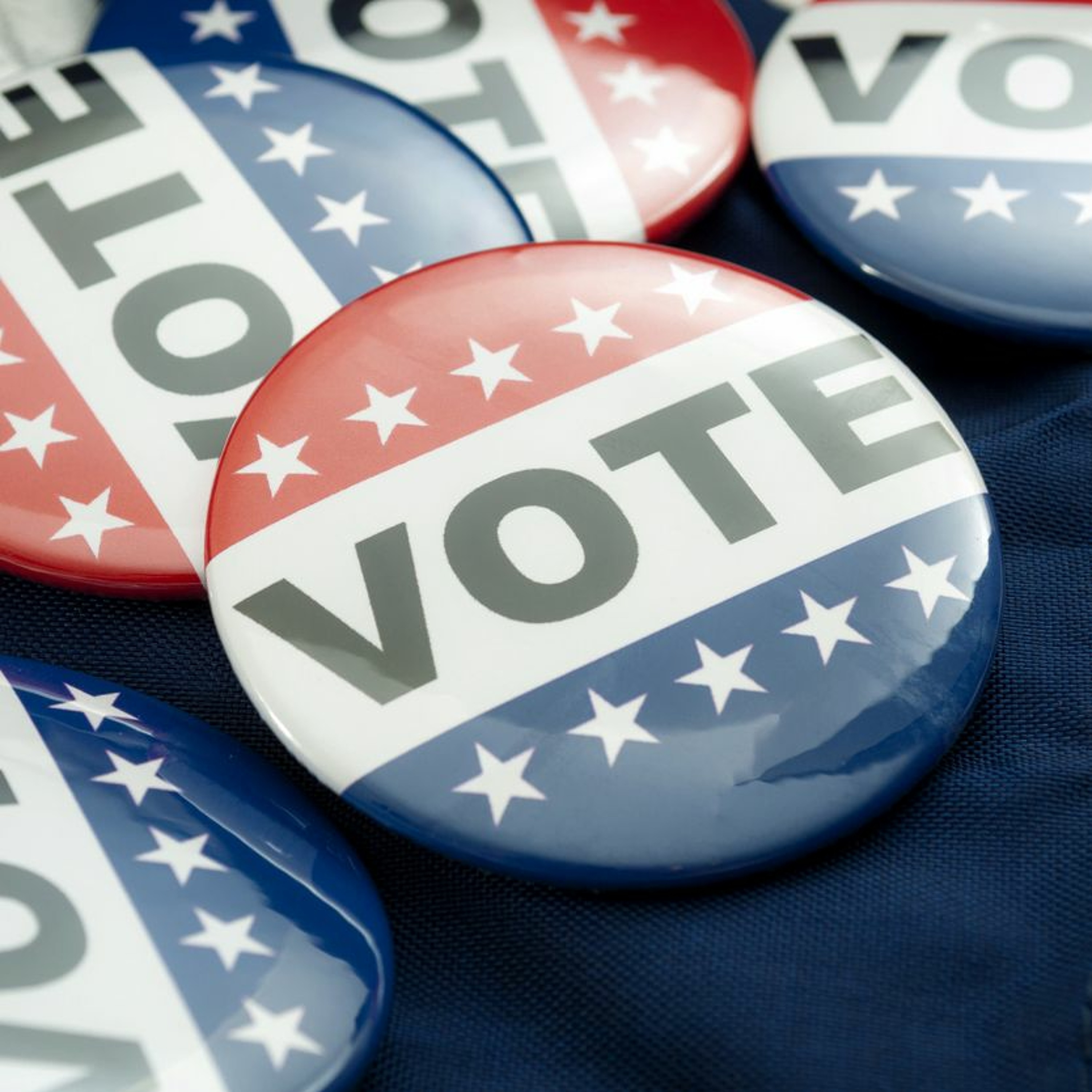
Do the Parties Favor White Male Candidates?
Despite a broad field of qualified women and minority candidates, two white men are now leading the Democratic presidential field. Even after supporting women…
 The Science of Politics
If Moderates are Electable, Why are Ideologues Winning?
Atop Democratic primary polls, Bernie Sanders and Joe Biden are re-igniting a debate about whether moderates are more electable. Are voters pushing the…
- The Science of Politics
How Medicaid and Obamacare Drive Voting
Obamacare substantially increased American health coverage, but now some states and the Trump administration are acting to curtail benefits. Do Obamacare…
 The Science of Politics
How Not-In-My-Backyard Politics Keep Housing Costs High
Expensive housing in major cities is holding back the American economy because new housing developments commonly spark a big “Not In My Backyard” local…
 The Science of Politics
When and Where Can Climate Policy Succeed?
The Green New Deal has focused renewed attention on policy to address Climate Change, but also raised concerns about how to pass and sustain energy policy in a…
 The Science of Politics
Higher Education: An Engine of Social Mobility...or a Driver of Inequality?
The college admissions scandal finds the rich still buying their way into elite colleges, drawing attention to the role of college in perpetuating inequality…
 The Science of Politics
Episode 39: Is White Identity Causing an Immigration Backlash?
Studies: "White Identity Politics" and "Whitshift" Interviews: Ashley Jardina, Duke University; Eric Kaufman, Birkbeck College Racial change is making some…
- The Science of Politics
How Philanthropy Diverts Social Movements
Philanthropic foundations are getting more criticism as we learn how their efforts shape our politics. But that impact has a long history, including pivotal…
 The Science of Politics
Why Governments Give Away Economic Incentives That Increase Inequality
Amazon’s headquarters decisions are drawing attention to economic development incentive programs designed to bring businesses and jobs to states and…
- The Science of Politics
How Online Media Polarizes and Encourages Voters
Online politics and social media are being blamed for a lot lately, from the spread of misinformation to the rise of incivility. But we also want online media…
 The Science of Politics
Does Diversity in Congress Translate into Representation?
A new, young, and more diverse cast of House members has come to Washington. Will they represent racial minorities, women, and young people more than other…
 The Science of Politics
Did Chinese Trade Competition Increase Nativism and Elect Trump?
Donald Trump has repeatedly emphasized the threat from international trade, especially from China. But did Chinese trade help raise the salience of his…
 The Science of Politics
Are Divided Governments the Cause of Delays and Shutdowns?
We are heading into divided party government in Washington after an unproductive unified Republican period. Will a Democratic House bring even less…
 The Science of Politics
How Public Policy Intentionally Segregated American Homeowners
Our homes are racially segregated--and not by accident. Jessica Trounstine finds that cities actively created segregation through zoning and urban renewal…
 The Science of Politics
Does Anyone Speak for the Poor in Congress?
The rich have more tools to influence politics and policy than the rest of Americans, but what about the poorest citizens? In an age of increasing economic…
- The Science of Politics
Interpreting the 2018 Election
What are the implications of the 2018 election results? Julia Azari and Rachel Bitecofer are two political scientists who followed it closely and know how it…
 The Science of Politics
How Americans' Politics Drives Their Religious Views
Republicans are now a lot more religious than Democrats, but they may not mean our religious views drive our politics. Instead, people may be choosing their…
 The Science of Politics
How TV and Service Projects Impact What Americans Believe About Inequality
How TV and Service Projects Impact What Americans Believe About Inequality by Niskanen Center
 The Science of Politics
How the Democrat and Republican Parties Are Changing
Are the Democrats becoming a more ideological party while the Republicans emphasize social identity? The one year anniversary special edition of the podcast…
 The Science of Politics
How Marriage and Inequality Reinforce Political Polarization
As politicians polarize, Americans are also sorting into clearer partisan camps who dislike the other side. What reinforces that cycle? Perhaps both our social…
 The Science of Politics
How the Tea Party Paved the Way for Donald Trump
The Tea Party that arose in 2009 seemed initially focused on bailouts, health care, and taxes. But new research suggests that concerns about cultural change…
- The Science of Politics
How Citizens Match their Issue Positions to Candidates and Causes
Citizens have views on policy issues but are often ignorant about the specific stances of politicians and interest groups. How do they match their issue…
- The Science of Politics
How Campaign Money Has Changed Elections After Citizens United
How Campaign Money Has Changed Elections After Citizens United by Niskanen Center
- The Science of Politics
How the Federalist Society Changed the Supreme Court Vetting Process
We already know that Brett Kavanaugh will be a strong conservative on the Supreme Court, just like Neil Gorsuch, but not because of confirmation hearing…
- The Science of Politics
Does Nationalized Media Mean the Death of Local Politics?
State and local politics are losing ground to national politics in the minds of Americans. What do we learn from nationalized coverage and what do we…
- The Science of Politics
Did Facebook Really Polarize and Misinform the 2016 Electorate?
From Russian trolls to racist rhetoric, Facebook has been blamed for the divisive 2016 presidential election. Does Facebook direct users to diverse information…
 The Science of Politics
Who’s More Afraid of Democracy: the Center or the Right?
Are Americans losing faith in democracy as our norms erode? Lee Drutman finds that support for democracy remains high, but Democrats and Republicans are…
- The Science of Politics
When Liberals and Conservatives Use Genetics to Explain Human Difference
Public debate on genetic research often assumes that conservatives will prefer genetic explanations for human differences, while liberals will point to…
- The Science of Politics
How Labor Unions Impact Inequality - And Whether That Justifies the Legacy Costs They Leave
Unions recently took some hits in Republican states, but now teachers’ strikes are pushing back and winning. Can unions still be influential in Red America…
 The Science of Politics
Anti-Immigration Politics: Is California's Past the Republicans' Future?
Many say California Republicans’ anti-immigration ballot initiatives in the 1990s lost them the Latino vote and set the party on the road to ruin. Is Trump…
- The Science of Politics
How Debt Finance Leads to War and Defense Spending
We’re increasing defense spending and launching military strikes—and we’re putting it all on the national credit card. That may be no coincidence. Sarah Kreps…
 The Science of Politics
How Racial Stereotypes Impacted Voting for Obama and Trump
White racial attitudes play a strong role in voter attitudes from Barack Obama to Donald Trump, but whites think it’s black voters who decide based on race…
 The Science of Politics
Are Red and Blue States Making Red and Blue Policies?
Public opinion and political parties are dividing across states, but is public policy following these differences, with conservative publics and majority…
 The Science of Politics
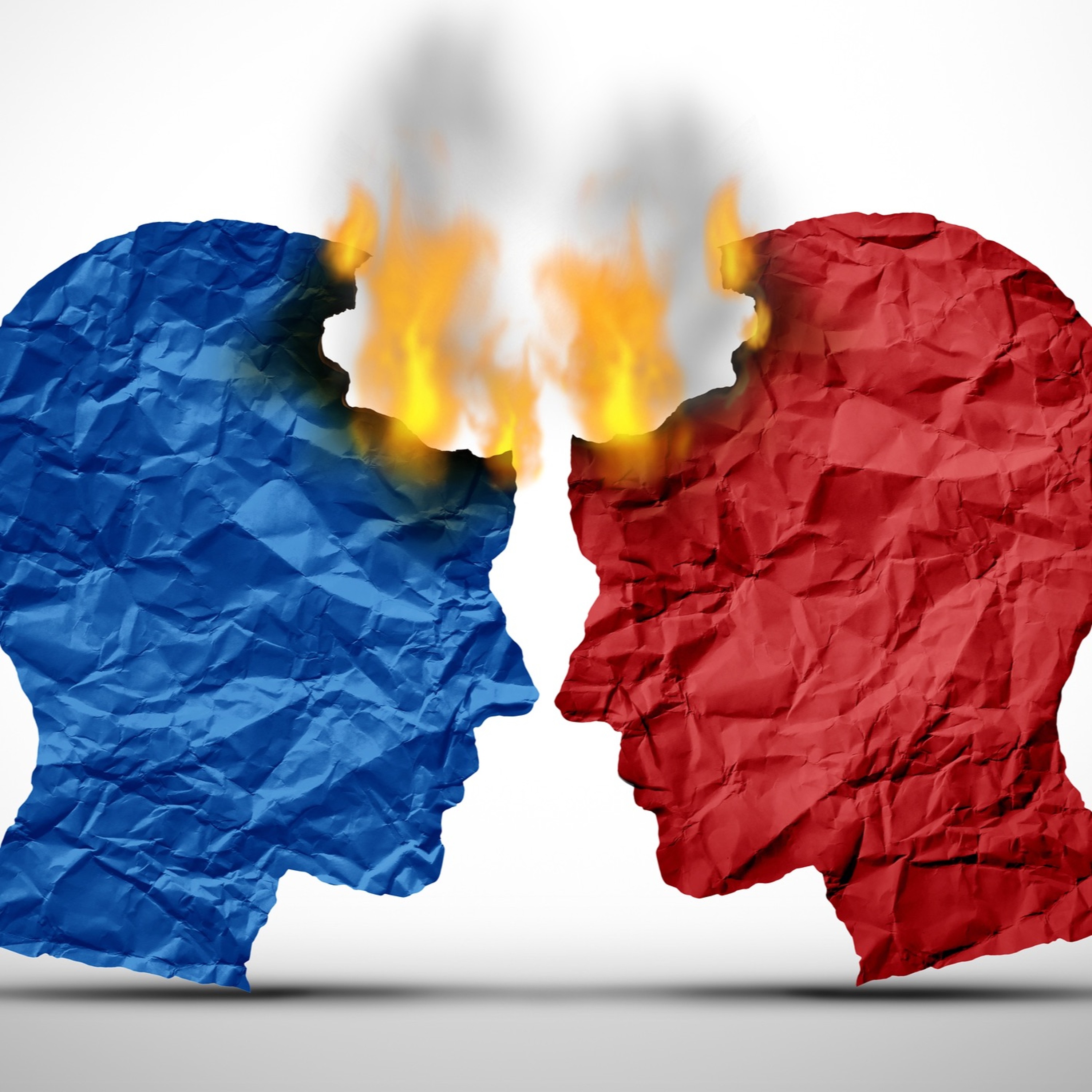
Are Americans Becoming Tribal, with Identity Politics Trumping All?
Democrats and Republicans are sorting ideologically and socially and we’re developing more negative opinions of one another. Are we dividing into two…
- The Science of Politics
Do Americans Implicitly Trust Government, Despite our Public Anger?
Trust in government is low and declining after another polarized election and in a polarizing administration. We're frustrated, even angry, but maybe we still…
 The Science of Politics
The Resistance: Who is Protesting Trump and Are They Changing Public Views?
2017 saw protest movements return with a vengeance, as millions protested Donald Trump at marches for women, science, immigration, & more. But will that…
 The Science of Politics
Congressional Primaries: How the Parties Fight Insurgents
2016 brought a lot of change in presidential primaries, but mostly continuity in House and Senate primaries. How will the candidates gain party support and win…
 The Science of Politics
Does the Tax Law Signal Change in How Parties use Tax Credits and Deductions?
The U.S. has a long history of spending through the tax code, limiting revenue to provide benefits. But Congress just passed a major tax cut that limited some…
 The Science of Politics
Rules Around the Senate Filibuster
The filibuster effectively means 60 votes are usually required to take action in the Senate. But Senate majorities can make or change rules to get around it…
 The Science of Politics
Multi-Racial Electoral Coalitions for Minority Candidates
In many U.S. cities, Latinos and Asians are gaining population share in previously White- or Black-dominated areas. But the vast majority of cities still have…
 The Science of Politics
How Gun Politics and Gun Policy Polarize America
After every mass shooting, partisans retreat to their respective corners on gun control. The National Rifle Association, and the gun owners it represents, are…
 The Science of Politics
How the House Freedom Caucus Gains Power in Congress
In its first few years, the House Freedom Caucus has helped take down a Speaker, choose another, and set the course of the health care debate in Congress. Matt…
 The Science of Politics
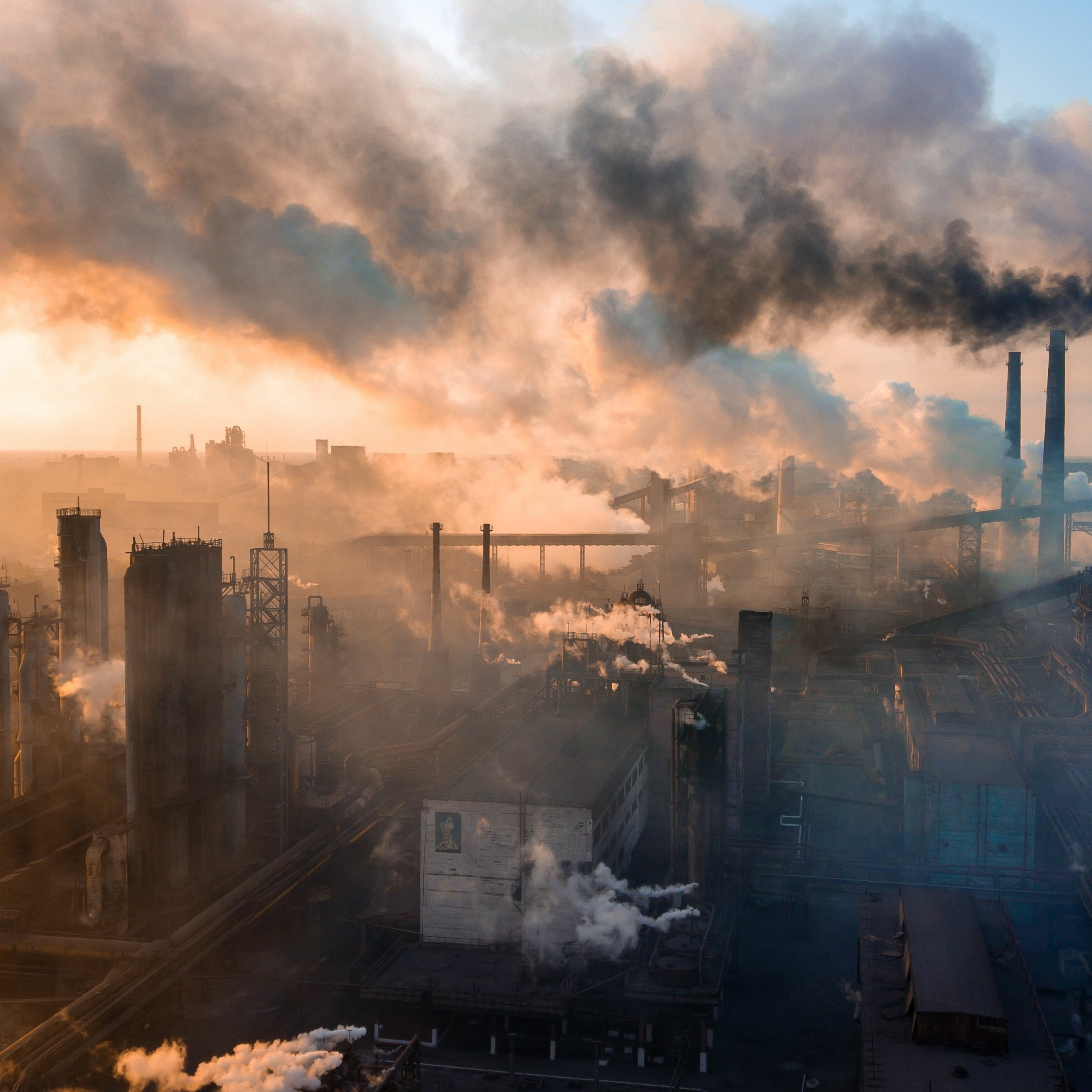
Polarized Opinion on Climate Change and Messages that Move Conservatives
Despite increasing scientific consensus on human-caused climate change, the parties are growing increasingly divided. Matt Grossmann talks to Megan Mulling…
 The Science of Politics
Why Republican Women Don't Run for Office and Why It Matters for the Gender Gap in Voting
Democratic women make up three times the share of their congressional caucus as Republican women. Matt Grossmann talks to Danielle Thomsen about her new…
 The Science of Politics
How Fox News Channel Spreads its Message and Persuades Viewers
Political Research Digest features up-and-coming researchers delivering fresh insights on the big trends driving American politics and policy today. In 15…